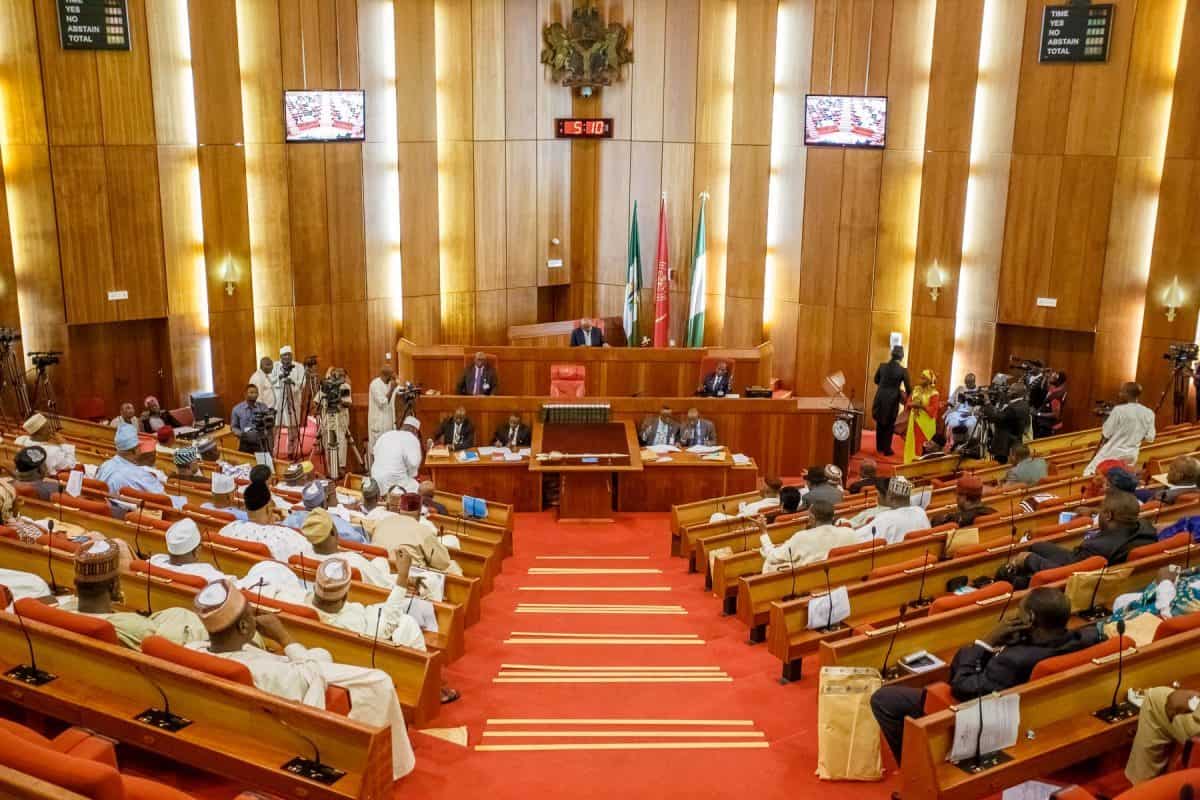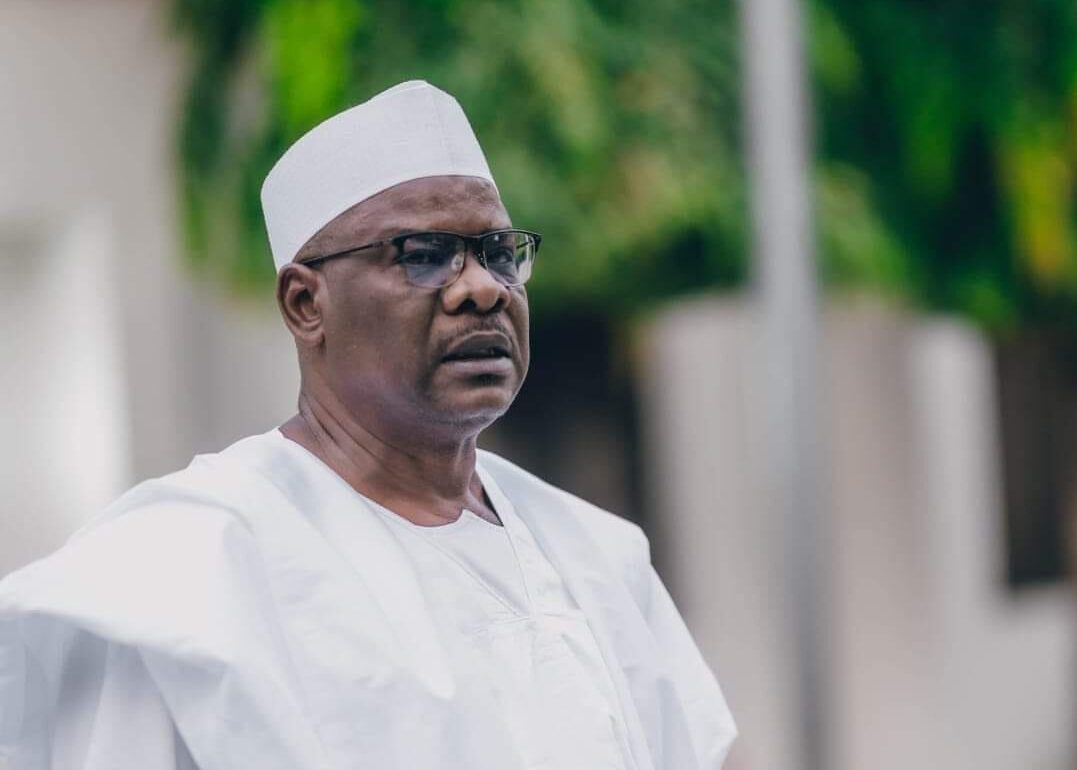
Senator Ali Ndume, representing Borno South, has raised concerns over the diminishing influence of the National Assembly, lamenting that it now functions more as a rubber-stamp institution than a true legislative body.
Speaking during an interview on Arise Television, Ndume criticised the Senate for straying from its foundational role as a deliberative chamber tasked with scrutinising government actions and spending.
“It has become less democratic, and it’s very unfortunate. If you look at what the National Assembly historically is built on, the Senate particularly is supposed to be a house of deliberation where people will deliberate on policies, actions and spending of government,” he said.
“We’re not doing that anymore; we’re now more of an approving institution, just giving necessary and unnecessary support to the executive,” he added, expressing frustration over what he sees as the collapse of the traditional separation of powers.
Ndume accused the government of becoming “personalised and privatised,” suggesting that executive dominance has eroded the independence of both the legislature and the judiciary.
He further admitted to feeling out of the loop as a senator, noting that he is not always aware of key developments within the legislative chambers.
On foreign affairs, Ndume criticised Nigeria’s handling of regional diplomacy following the exit of Burkina Faso, Mali, and Niger from the Economic Community of West African States (ECOWAS). He described the withdrawal as a diplomatic failure, particularly for President Bola Tinubu, who recently handed over ECOWAS leadership to President Julius Maada Bio of Sierra Leone.
Ndume suggested that involving elder statesmen such as Muhammadu Buhari, Olusegun Obasanjo, Ibrahim Babangida, Yakubu Gowon, and Abdulsalami Abubakar might have helped prevent the split.
What you should know
Senator Ndume has voiced concerns over the Senate’s declining role and executive dominance, calling Nigeria’s governance structure increasingly undemocratic. He also blamed failed diplomacy for the withdrawal of three nations from ECOWAS.