Global financial markets are on edge as investors brace for a potential selloff in stocks when trading resumes Monday, following a dramatic escalation in Middle East tensions over the weekend.
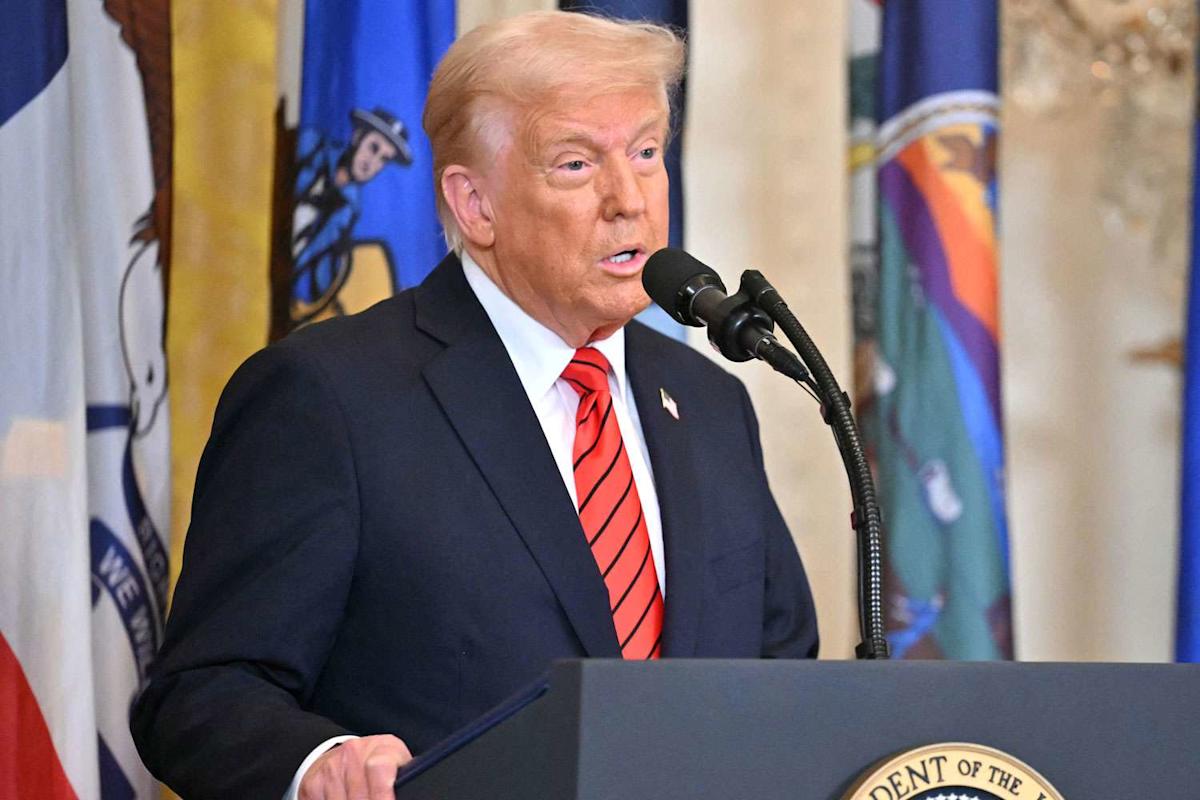
The U.S., in a surprise move, joined Israel’s military campaign against Iran, launching a targeted strike that President Donald Trump hailed as a “spectacular military success” in a televised address. The attack, which Trump claimed obliterated Iran’s nuclear enrichment facilities, has heightened fears of retaliation, soaring oil prices, and broader economic fallout.
Iran, in response, vowed to defend itself with “all options” and warned of “everlasting consequences,” intensifying its strikes on Israel. The escalating conflict has thrust the Middle East into the spotlight, overshadowing a packed week of U.S. economic data releases and reigniting concerns about inflation, interest rates, and global market stability.
Markets on High Alert
“It’s hard to imagine stocks not reacting negatively,” said Steve Sosnick, chief market strategist at Interactive Brokers in Connecticut. “The question is how much. It will depend on Iranian reaction and whether oil prices spike.” Sosnick emphasized the “secondary order effects” of the conflict, particularly the potential for higher oil prices to ripple through the global economy, stoking inflation and disrupting monetary policy.
The S&P 500, which has hovered just 2.7% below its February highs after rebounding from an April selloff, is now at risk of renewed volatility. The index has gone 27 trading sessions without setting a new record, signaling investor caution even before the latest geopolitical shock. While equities have remained relatively stable amid prior Middle East tensions, the prospect of sustained oil price spikes could upend that resilience.
Oil prices, already elevated due to the Israel-Iran conflict, are expected to climb further as markets digest the U.S. involvement. Higher energy costs could exacerbate inflationary pressures, complicating the Federal Reserve’s plans to ease monetary policy.
On Wednesday, the Fed held interest rates steady but signaled a slower pace of future rate cuts than previously anticipated, citing expectations of higher inflation driven by Trump’s tariff policies. “The question is oil prices and what that does to inflation,” said Sonu Varghese, global macro strategist at Carson Group. “That has implications for how long the Fed keeps rates meaningfully restrictive.”
Investor Sentiment and Safe Havens
The sudden escalation has investors scrambling to assess its impact on sentiment and asset prices. Many expect a knee-jerk rush to safer assets, such as the U.S. dollar and Treasuries, with stocks likely to bear the brunt of near-term nervousness. However, some market watchers remain cautiously optimistic about a potential de-escalation. “I think it’s going to be very positive for the stock market,” said Mark Malek, chief investment officer at Siebert Financial, noting that investors had been primed for weeks of uncertainty based on White House rhetoric. “This seems like a one-and-done situation, not a long-drawn-out conflict.”
Malek’s optimism hinges on the belief that the U.S. strike was a calculated move to neutralize Iran’s nuclear ambitions without sparking a broader war. Still, Iran’s defiant response and intensified attacks on Israel cast doubt on hopes for a swift resolution.
Economic Data in the Shadows
The Middle East crisis has sidelined a busy week of U.S. economic indicators, including business activity and housing sales data on Monday, consumer confidence figures on Tuesday, and the Personal Consumption Expenditures (PCE) Price Index—the Fed’s preferred inflation gauge—on Friday. These releases, which would typically drive market movements, are now taking a backseat to geopolitical developments.
Consumer confidence, in particular, has been a focal point for investors. Sentiment plummeted earlier this year as households grappled with fears of tariff-induced inflation and a potential recession. However, with inflation moderating and the U.S. securing a trade truce with China, analysts had anticipated a rebound in confidence. “The survey-based data all got crushed in the March, April, May time frame,” said Mark Hackett, chief market strategist at Nationwide, before the U.S. strike. “My expectation is we’re still going to see an improvement.”
The Oil-Inflation Nexus
The oil market has so far absorbed much of the geopolitical turmoil, but its ripple effects are now a central concern for investors. A sustained surge in oil prices could derail the Fed’s delicate balancing act, forcing policymakers to maintain elevated rates to combat inflation. This, in turn, could dampen economic growth and weigh on corporate earnings, particularly for energy-intensive industries.
For now, investors are left grappling with uncertainty as they await Iran’s next move and monitor oil price trends. While some see the U.S. strike as a decisive blow that could pave the way for stability, others fear it may mark the beginning of a prolonged period of volatility.
As Sosnick put it, “No globally important stock is directly affected by what happened tonight, but the broader implications for oil, inflation, and market stability are impossible to ignore.”
WHAT YOU SHOULD KNOW
The U.S. strike on Iran’s nuclear facilities has heightened fears of a stock market selloff and surging oil prices, potentially fueling inflation and delaying Federal Reserve rate cuts. The factor to watch is Iran’s response, as it will determine the extent of market volatility and the broader economic impact of rising oil costs.