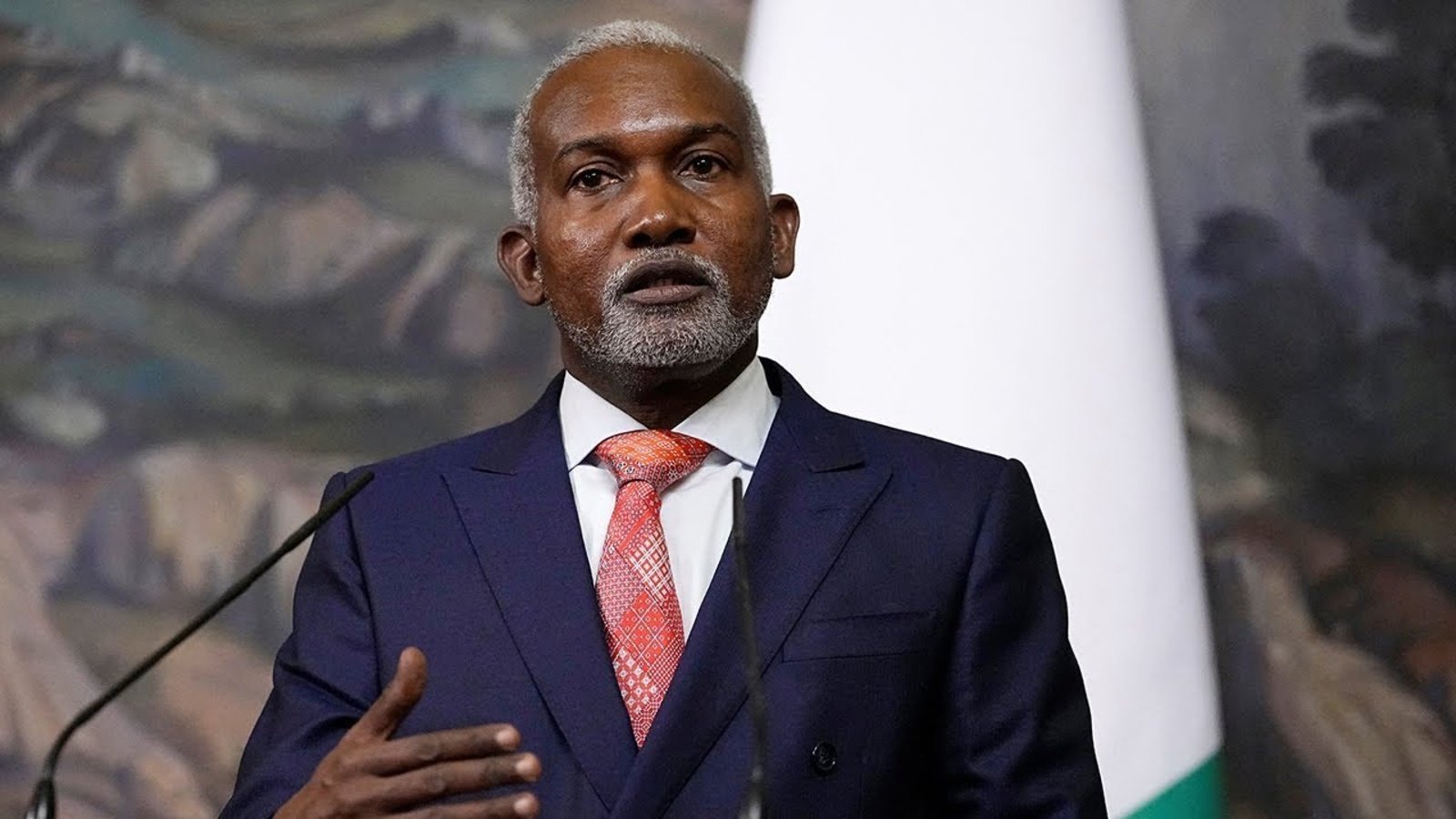
Nigeria’s Minister of Foreign Affairs and Chair of the ECOWAS Mediation and Security Council, Ambassador Yusuf Tuggar, has strongly criticised the United States’ proposed imposition of visa restrictions on countries in West Africa, describing the move as diplomatically damaging and economically short-sighted.
Speaking at the opening of the 54th Ordinary Session of the ECOWAS Mediation and Security Council at the ministerial level in Abuja on Wednesday, Tuggar warned that the reported policy could seriously impede trade, regional cooperation, and economic growth, at a time when the region is positioning itself for strategic partnerships with global powers.
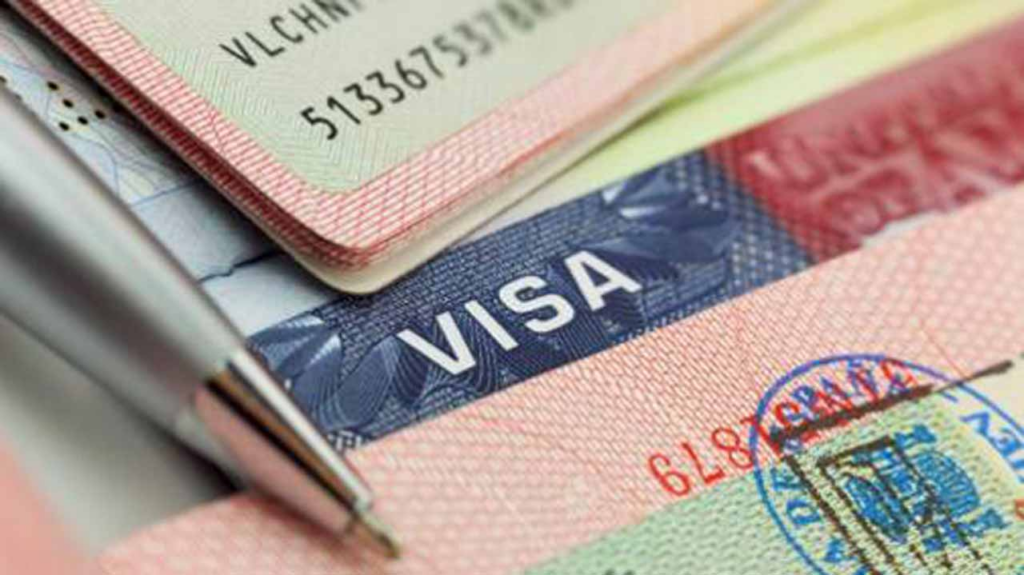
“If it comes to pass, it would be most unfortunate,” Tuggar said, noting that West Africa is “a region of opportunities ready to do deals.” He expressed concern that imposing visa bans on all ECOWAS countries could serve as a non-tariff barrier to meaningful agreements and collaborations, particularly with the United States.
The proposal reportedly includes new visa restrictions targeting several countries within the Economic Community of West African States, including Nigeria, Benin, Ghana, Côte d’Ivoire, Senegal, and Liberia.
The U.S. memo, seen by diplomatic observers, states that the nations in question must meet specific updated requirements from the State Department within 60 days. Cited concerns include insufficient civil documentation, ineffective cooperation with U.S. agencies, and identity verification challenges.
Tuggar, however, argued that such actions send the wrong message at a time when the region is brimming with untapped potential and valuable resources. He highlighted West Africa’s significant contribution to the global supply chain, stating, “We possess critical minerals and even rare earths such as Samarium from the Monazite found in my home State of Bauchi.”
He also emphasized that ECOWAS nations are historically embedded in international trade, with a clear willingness to explore partnerships that benefit all parties. “We in this part of the world are students of the Art of the Deal and have been part of the international trading system even before the modern state system,” he added.
Ambassador Tuggar urged the U.S. government to reconsider its stance and focus on fostering mutual prosperity rather than erecting bureaucratic roadblocks. According to him, the region is ready to move forward with or without Washington’s cooperation.
“ECOWAS countries and the US have a rare opportunity to create a partnership based on principles of need,” Tuggar noted. “We are also a strategic alternative to more distant and politically divergent energy producers. We will do deals for our prosperity; the only question is with whom?”
He further stressed the importance of facilitating the movement of key players such as government officials, business leaders, and technocrats, asserting that visa restrictions only serve to undermine trust and delay progress.
The potential U.S. travel ban comes at a sensitive time, with West Africa grappling with both economic headwinds and ongoing efforts to strengthen democratic governance and regional integration. Observers note that the proposal could fuel anti-Western sentiment and push ECOWAS countries to turn elsewhere for diplomatic and commercial alliances.
What you should know
Ambassador Yusuf Tuggar, Nigeria’s foreign minister and ECOWAS chair, has warned that U.S. plans to impose visa restrictions on West African nations could harm trade and diplomacy.
He urged the U.S. to reconsider, highlighting ECOWAS’s strategic resources and openness to global partnerships.