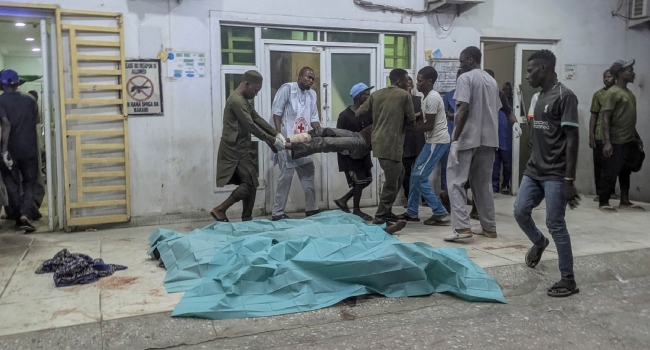
Police authorities in Maiduguri have confirmed that 23 people lost their lives while 108 others sustained injuries following three bomb explosions that rocked the city on Monday night.
The spokesperson of the Borno State Police Command, Nahum Kenneth-Daso, disclosed this in a statement issued on Tuesday, noting that calm has since been restored in the state capital.
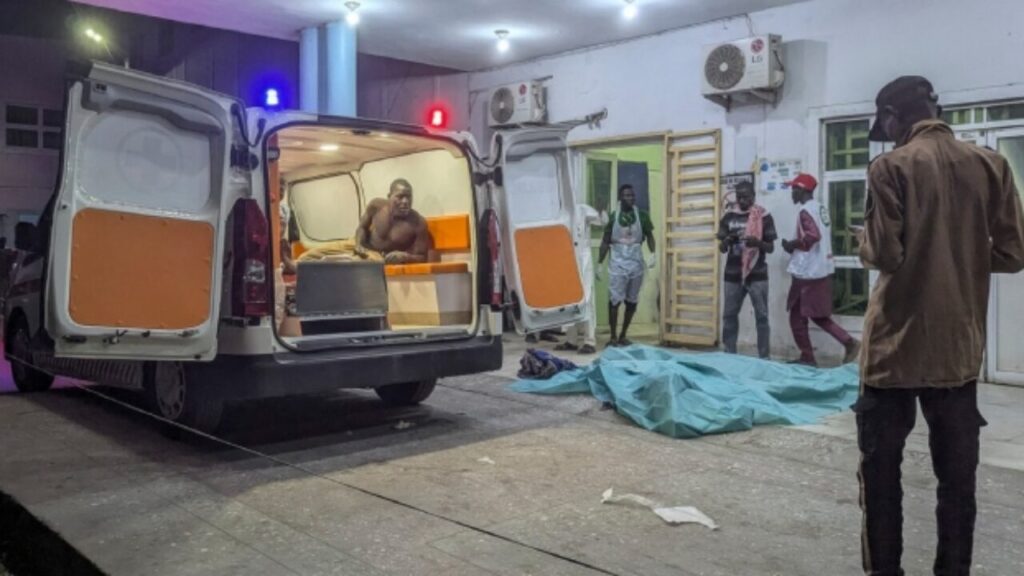
“Following the devastating suspected suicide IED explosions that occurred at about 1924HRS on 16th March, 2026, at (1) Maiduguri Monday Market, (2) University of Maiduguri Teaching Hospital (UMTH) gate, and (3) Post Office Flyover area, Maiduguri,” Kenneth-Daso said.
“Preliminary investigation reveals that the incidents were carried out by suspected suicide bombers. Regrettably, a total of twenty-three (23) persons lost their lives, while one hundred and eight (108) others sustained varying degrees of injuries.”
According to the police, a joint team comprising tactical units, the military and other security operatives was immediately deployed to the affected locations. The areas were secured, cordoned off and thoroughly examined by the Police Explosive Ordnance Disposal Unit to eliminate any further threats.
The Commissioner of Police, Naziru Abdulmajid, visited the blast sites to assess the situation and ongoing response efforts. He also extended condolences to the victims and their families, assuring residents of the command’s commitment to protecting lives and property.
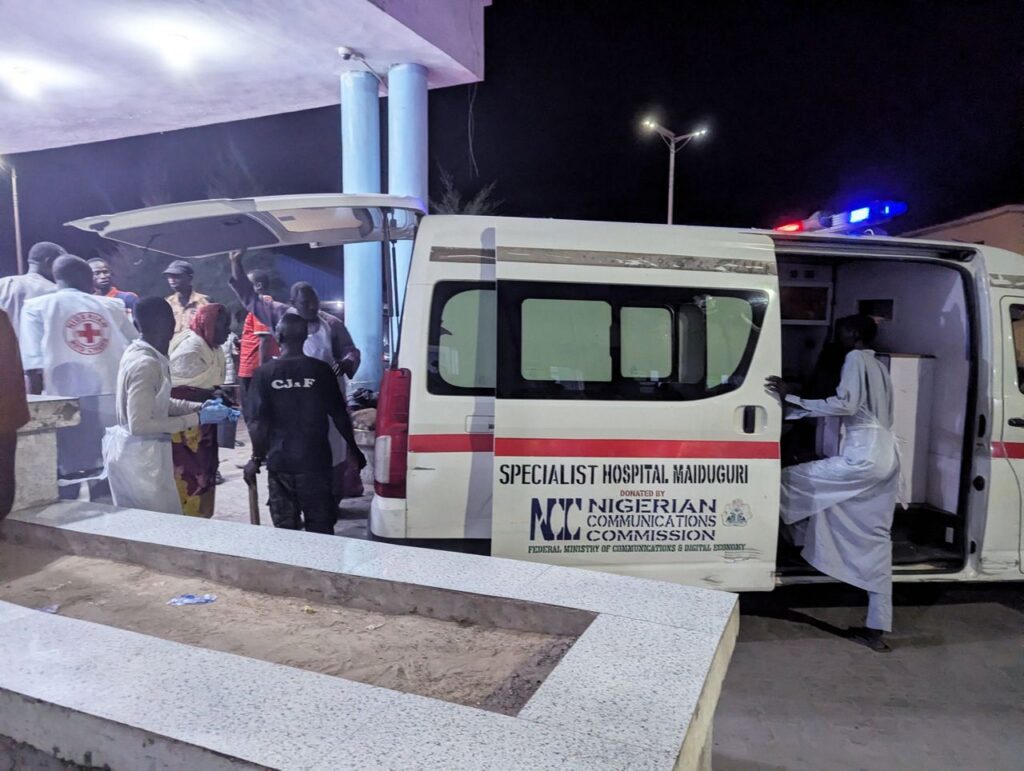
Victims were evacuated by emergency responders, including the National Emergency Management Agency and the State Emergency Management Agency, to nearby hospitals where they are receiving treatment.
Security presence has since been intensified across Maiduguri and surrounding areas to prevent further attacks.
The explosions disrupted a period of relative calm in the city, which had experienced reduced violence in recent years as insurgent activities shifted to rural areas. However, attacks by Boko Haram and the Islamic State West Africa Province have recently increased across northeastern Nigeria.
The insurgency, now spanning over a decade, has resulted in more than 40,000 deaths and displaced millions of people.
Governor Babagana Zulum described the bombings as “barbaric,” linking the renewed wave of attacks to intensified military operations in the Sambisa forest, a known stronghold of insurgent groups.
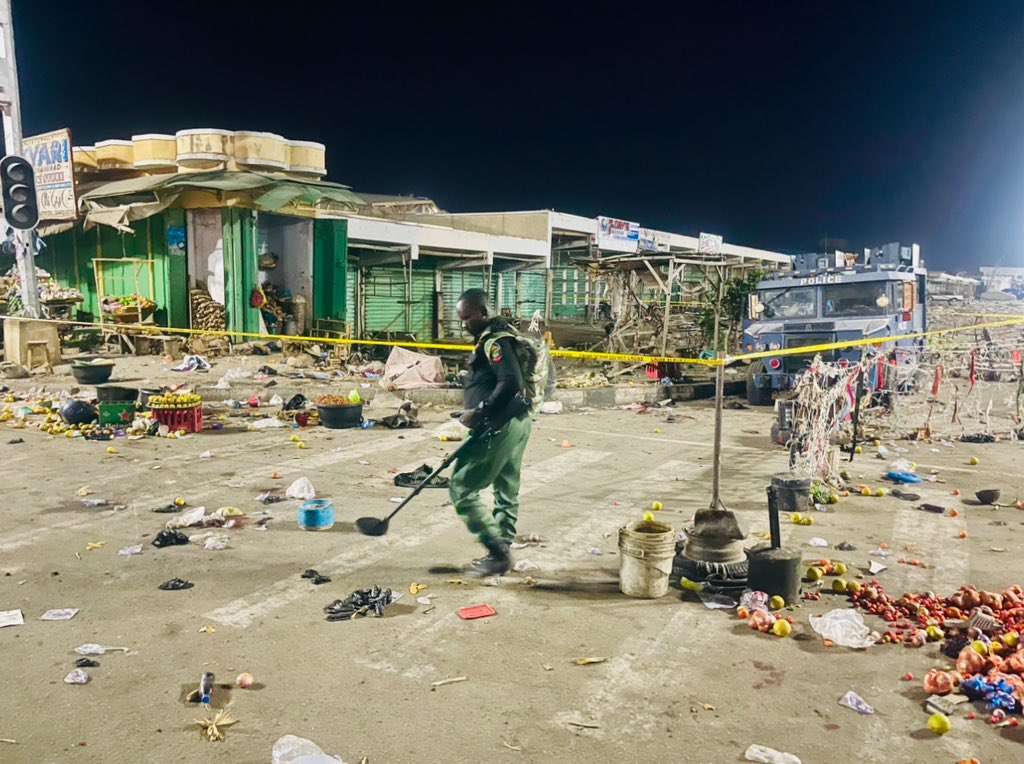
Maiduguri, once heavily affected by daily violence during the peak of the insurgency in the mid-2010s, had seen significant improvement in security conditions in recent years. The last major attack in the city occurred in 2021 when mortars fired by insurgents killed 10 people.
However, sporadic attacks have persisted, including a December bombing in a mosque that claimed at least seven lives, as well as recent coordinated assaults on military bases in the region.
Amid rising insecurity, the United States Africa Command has begun deploying troops to Nigeria to provide technical and training support to local forces combating insurgent groups. The move followed remarks by Donald Trump, who described the violence as the “persecution” of Christians, a claim disputed by Nigerian authorities and independent analysts who note that victims include both Christians and Muslims.
What you should know
Maiduguri is the epicentre of Nigeria’s long-running insurgency involving Boko Haram and ISWAP, which has lasted over 16 years.
Although security conditions had improved in recent years, allowing residents to experience relative peace, the recent bombings highlight the fragile nature of that stability.
The resurgence of attacks is believed to be linked to ongoing military pressure on insurgents in strongholds like the Sambisa forest, which may be forcing them to retaliate in urban areas.
The situation underscores ongoing security challenges in northeastern Nigeria.