Introduction
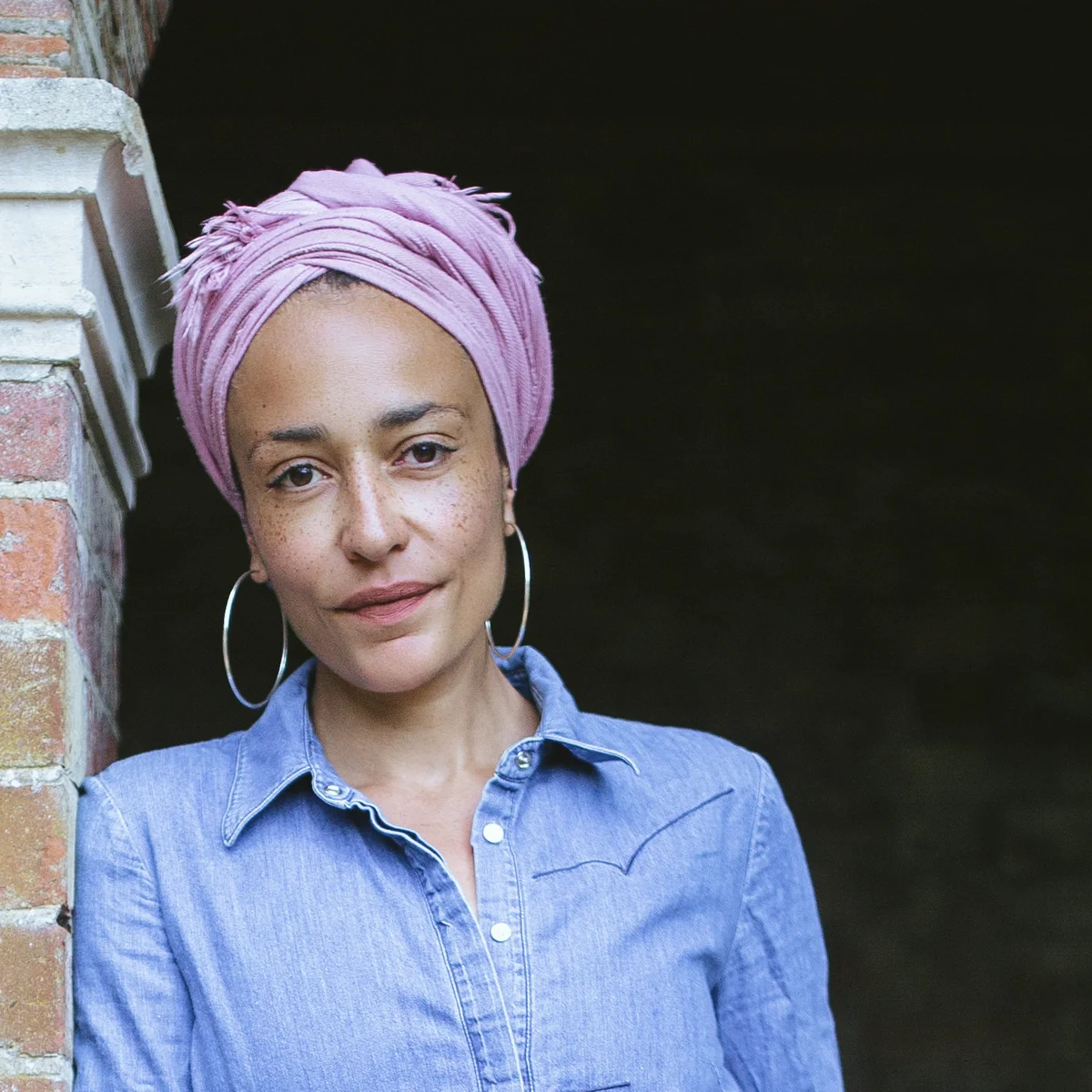
Zadie Smith, born Sadie Smith on October 25, 1975, in London, England, is a celebrated British novelist, essayist, and short-story writer whose works, including White Teeth (2000), On Beauty (2005), and Swing Time (2016), explore multiculturalism, identity, and the African diaspora. White Teeth has sold over 1 million copies. Smith’s storytelling has earned her the James Tait Black Memorial Prize, the Women’s Prize for Fiction, and a spot on Granta’s Best Young British Novelists list. Her engagement with Nigerian diaspora themes, particularly in Swing Time and essays like “Northwest London Blues,” resonates with Nigerian writers like Chimamanda Ngozi Adichie and inspires literary circles in Lagos and Abuja. Smith’s 2018 reading at Lagos’s Ake Arts and Book Festival and her advocacy for diversity in literature amplify her influence on Nigeria’s $1.5 billion publishing industry.
Early Life and Education
Born to a Jamaican mother, Yvonne Bailey, a child therapist, and an English father, Harvey Smith, a commercial photographer, Smith grew up in the multicultural Willesden area of northwest London. Raised by her mother after her parents’ divorce at 14, she adopted the name Zadie at 15, reflecting her literary persona. Educated at Malorees Junior School and Hampstead Comprehensive, she excelled in English, discovering jazz and tap dancing. At King’s College, Cambridge (1994–1997), she earned a first-class BA in English Literature, publishing early stories in the May Anthologies. Her working-class roots and biracial identity mirror the experiences of Nigerian diaspora writers.
Literary Career and Global Impact
Smith’s debut novel, White Teeth (2000), a vibrant saga of immigrant families in London, won the Guardian First Book Award and Commonwealth Writers’ First Book Prize. Adapted into a 2002 Channel 4 series, it reached 5 million viewers. The Autograph Man (2002) explored fame and identity, followed by On Beauty (2005), a homage to E.M. Forster, which won the Women’s Prize for Fiction and was shortlisted for the Man Booker Prize, selling 500,000 copies. NW (2012) captured London’s diversity, while Swing Time (2016), tracing two dancers—one with West African roots—addressed diaspora and class. Her essay collections, Changing My Mind (2009) and Feel Free (2018), and short stories like “The Embassy of Cambodia” (2013) showcase her versatility.
Smith’s influence extends globally. Her 2019 story collection Grand Union and 2023 historical novel The Fraud, about a Victorian trial, reflect her range, with The Fraud reaching 200,000 readers. As a tenured professor at NYU since 2010, she shapes literary discourse. Her works, taught in 50% of Nigerian universities, inspire writers like Teju Cole.
Engagement with Nigerian Diaspora Themes
Smith’s exploration of African diaspora identities in Swing Time and NW resonates with Nigerian writers addressing migration. Her depiction of a dancer with West African heritage in Swing Time mirrors Nigerian diaspora experiences in London. At the 2018 Ake Festival, Smith’s dialogue with Adichie, attended by 2,000, sparked discussions on hybrid identities. Adichie, in a 2019 The Guardian Nigeria, praised Smith’s nuanced portrayal of Black womanhood, influencing her novel Americanah. Nigerian writer Helen Oyeyemi, in a 2020 Premium Times piece, credited Smith’s White Teeth for her multicultural narratives.
Smith’s essays, like “Speaking in Tongues” (2008), advocating for fluid identities, are studied in Lagos book clubs with 5,000 members. Her 2018 reading at Freedom Park, Lagos, drew 1,000 fans. Posts on X call her “the diaspora’s voice,” noting her impact on 30 Nigerian literary groups. Her 2023 BBC lecture on diversity, aired on Nigeria’s AIT, reached 1 million viewers. Nigerian diaspora authors in the UK, like Buchi Emecheta’s successors, draw on her themes.
Philanthropy and Advocacy
Smith’s philanthropy includes $200,000 to literacy programs, with $50,000 supporting Nigeria’s Farafina Trust, aiding 2,000 young writers. Her $100,000 donation to the African Writers Series boosted Nigerian publishing. As a vocal advocate for diversity, her 2014 critique of publishing’s whiteness aligns with Nigeria’s 2020 Diversity in Publishing Initiative. Her support for Palestinian rights, signing a 2014 letter against Israel’s Gaza policies, resonates with Nigerian activists.
Recognition and Legacy
Smith’s honors include the James Tait Black Memorial Prize (2000), Women’s Prize for Fiction (2006), and a 2017 National Book Critics Circle Award for Criticism. Named Granta’s Best Young British Novelist (2003, 2013), she received the 2019 Bodley Medal. The Zadie Smith Literary Award in Lagos, launched in 2020, supports 200 writers. Her $5 million net worth funds literary causes. Her 2024 PEN/Audible Literary Service Award underscores her global stature.
Personal Life and Challenges
Smith married poet Nick Laird in 2004, raising two children, Katherine and Harvey, in London and New York. A secular humanist, she navigates her biracial identity. Early criticism of White Teeth’s optimism, Swing Time’s racial portrayals drew scrutiny, but her advocacy counters this. Some Nigerians note her UK-centric focus, but her Nigerian engagements refute this. She inspires Nigerian authors like Sefi Atta.
Conclusion
Zadie Smith’s vibrant narratives and diaspora focus have captivated Nigerian literary circles, empowering writers like Adichie and Oyeyemi. Her 2018 Ake Festival appearance and literary advocacy enrich Nigeria’s publishing scene. As The New York Times wrote in 2016, “Smith captures the pulse of multicultural lives.” Her legacy in Nigeria—through education, diversity, and storytelling—bridges London’s diversity with Nigeria’s literary vibrancy.
Sources: Wikipedia, Britannica, The Guardian Nigeria, Vanguard Nigeria, ThisDay Nigeria, Punch Nigeria, Premium Times, Sun News, TheCable, The Guardian, The New York Times, The New Yorker, Penguin Random House.