Summary
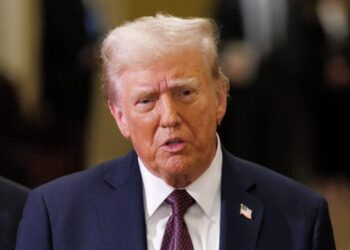
Chinese President Xi Jinping revisited the sensitive matter of Taiwan during a phone conversation with US President Donald Trump on Monday, underscoring the importance of preserving the fragile trade progress made by both nations.
According to China’s foreign ministry, the call also touched on issues such as Ukraine, but Taiwan dominated the discussion, especially as China remains locked in a tense diplomatic clash with Japan over the island.
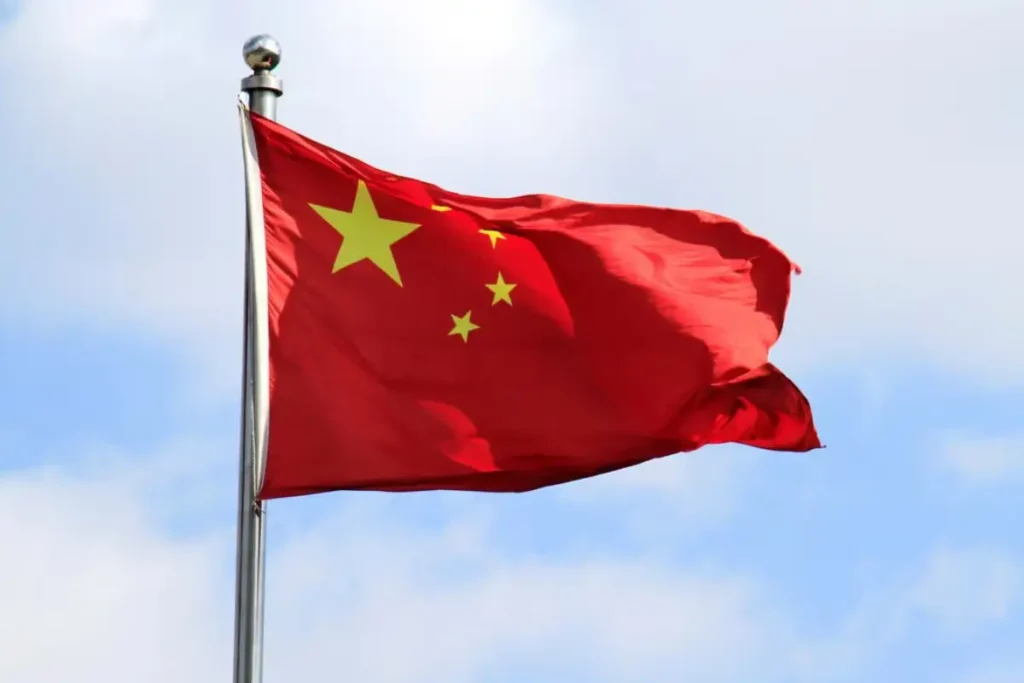
Beijing maintains that Taiwan is part of its territory, and Xi reminded Trump that its return forms an “integral part of the post-war international order,” built on the joint US-China fight against “fascism and militarism.” Xi noted that “given what is going on,” it had become even more crucial to protect the legacy of WWII.
The current standoff between Beijing and Tokyo intensified after Japan’s new Prime Minister, Sanae Takaichi, suggested that Tokyo might intervene militarily if Taiwan were attacked. Although Washington does not officially recognize Taiwan as an independent state, the United States remains the island’s most significant security and economic partner.
While the White House has yet to release its own account of the discussion, China’s foreign ministry said Trump assured Xi that the United States “understands how important the Taiwan question is to China.”
The call followed their October meeting — their first since 2019 — where they engaged in heavily monitored trade negotiations. The rivalry between Washington and Beijing, spanning rare earths, agricultural goods, port fees, and more, has disrupted markets and caused supply chain instability for months.
In their October meeting in South Korea, China agreed to lift certain export restrictions on critical minerals for one year. Since China dominates the global rare earths industry, this move holds major implications for sectors like electronics, automotive, and defense. In exchange, the United States announced tariff reductions on some Chinese goods, while Beijing committed to buying at least 12 million metric tons of American soybeans this year and 25 million metric tons in 2026.
Xi encouraged Trump to “keep up the momentum,” describing the South Korea meeting as “successful” and a turning point that “recalibrated the course of the giant ship of China-US relations.” He emphasized that relations have since taken a “steady and positive trajectory,” a development welcomed globally.
US Treasury Secretary Scott Bessent recently said Washington hopes to finalize a rare earths supply agreement with Beijing before Thanksgiving.
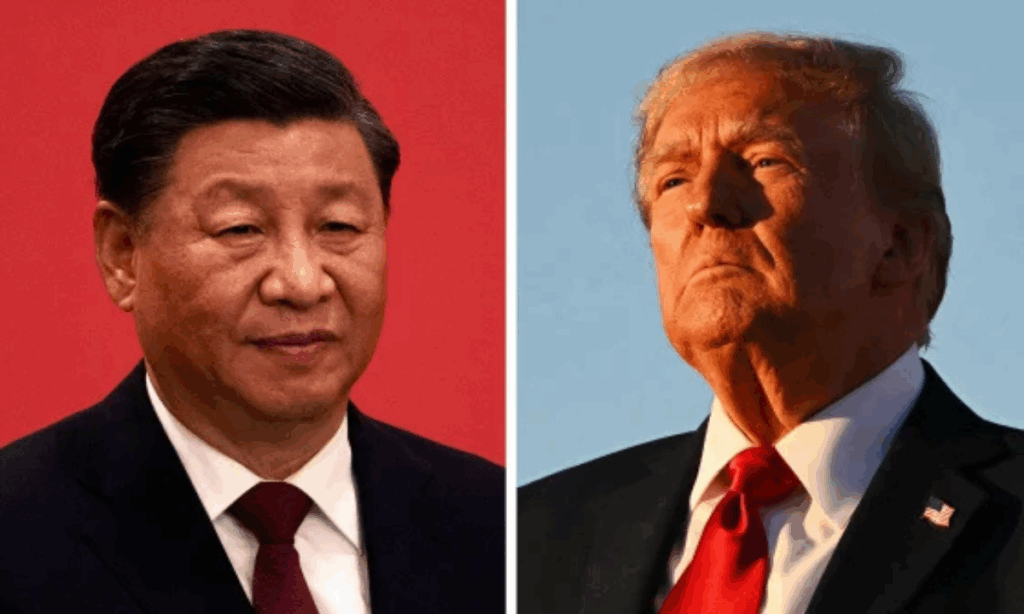
The leaders also exchanged views on the war in Ukraine — a central issue for Trump as he pursues a new peace proposal, one critics argue favors Russia’s demands over Kyiv’s interests. China continues to portray itself as a neutral actor, and Xi repeated his support for achieving a resolution.
According to Beijing, Xi reaffirmed China’s backing for “all efforts that are conducive to peace,” expressing hope that the parties involved would reduce tensions, reach a fair and lasting agreement, and resolve the crisis at its foundation.
What you should know
• Xi Jinping urged Donald Trump to respect China’s stance on Taiwan while seeking to reinforce recent trade progress.
• Their discussion followed October’s trade meeting, which produced a temporary breakthrough on rare earths and agricultural purchases.
• China framed itself as a neutral player in the Ukraine war, renewing its call for a balanced peace deal.