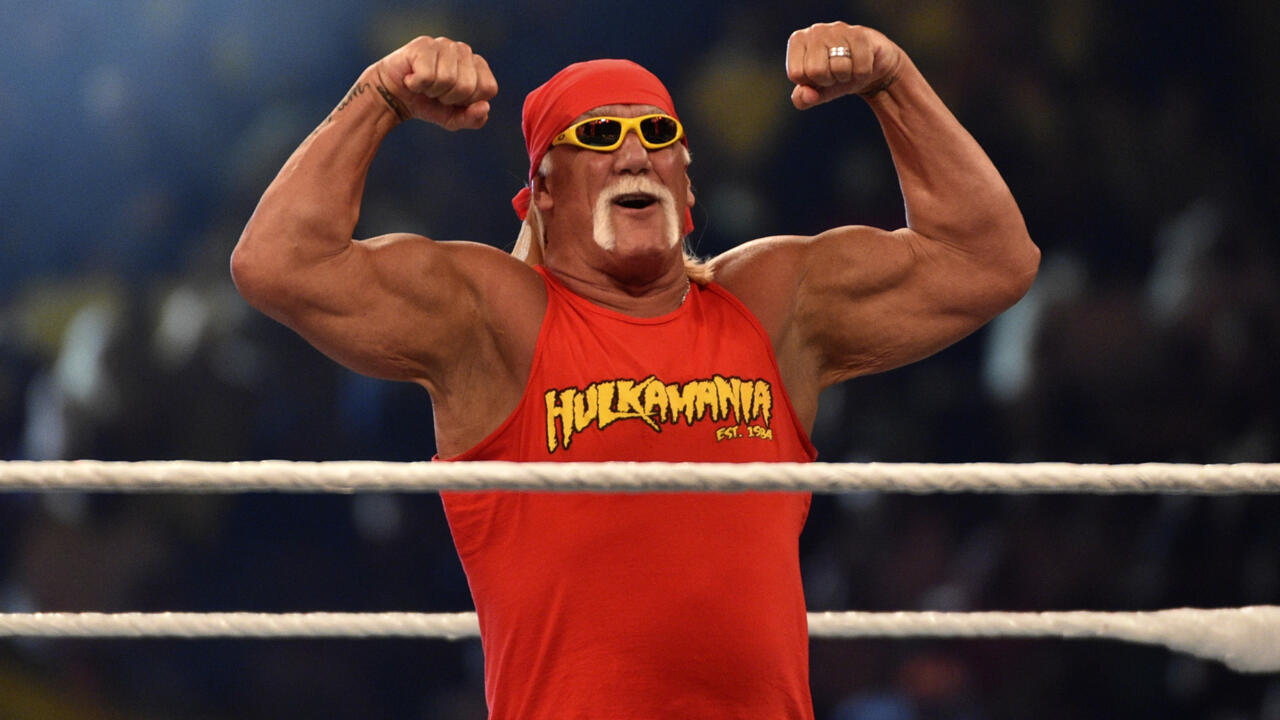
Wrestling legend Hulk Hogan has died at 71 years old, marking the end of an era for professional wrestling and pop culture. The WWE icon, whose real name was Terry Gene Bollea, died on Thursday at the age of 71 at his home in Clearwater, Florida.
Emergency responders were dispatched to Hogan’s Clearwater residence early Thursday morning following reports of cardiac arrest. Dramatic footage from the scene captured the desperate efforts of paramedics performing chest compressions as the wrestling superstar was rushed to a nearby hospital, where he was pronounced dead at 11:17 AM.
Clearwater Police Major Nate Burnside confirmed during a Thursday afternoon news conference that there were “no signs of foul play or suspicious activity” surrounding Hogan’s death. The emergency call was received at 9:51 AM, and Clearwater Fire & Rescue personnel treated Hogan before his transport to the medical facility.
The wrestling world and entertainment industry are mourning the loss of one of their most recognizable figures. WWE released a statement saying, “One of pop culture’s most recognizable figures, Hogan helped WWE achieve global recognition in the 1980s. WWE extends its condolences to Hogan’s family, friends, and fans.”
Hogan’s death comes after years of health struggles related to his wrestling career. The legendary performer had undergone numerous surgeries throughout his life due to injuries sustained during his decades in the ring. Just weeks before his passing, his wife, Sky, had denied rumors that he was in a coma, stating his heart was “strong” as he recovered from recent surgical procedures.
Born Terry Gene Bollea on August 11, 1953, Hogan transformed professional wrestling from a niche entertainment form into a mainstream cultural phenomenon. His rise to superstardom began in earnest when he defeated the Iron Sheik for the World Heavyweight Championship in 1984, launching “Hulkamania”—a “cultural craze that captivated audiences for decades.
Hogan’s appeal transcended traditional wrestling demographics, drawing families and children to the sport through his charismatic persona, complete with his signature bandana, handlebar mustache, and shirt-ripping theatrics. His influence extended beyond the wrestling ring into movies, television, and popular culture.
The wrestling icon’s career included memorable feuds with legends like Ultimate Warrior and Randy Savage, iconic matches against Andre the Giant at WrestleMania III, and a notable bout with Dwayne “The Rock” Johnson at WrestleMania X8 in 2002. In 1996, he reinvented himself as the villainous “Hollywood Hulk Hogan,” leading the New World Order faction that revolutionized professional wrestling once again.
Hogan was inducted into the WWE Hall of Fame twice—first in 2005 as an individual and again in 2020 as a member of the NWO, following a controversial period where he was temporarily removed due to racist comments made during a secretly recorded conversation.
Beyond wrestling, Hogan appeared in films including “Rocky III,” “No Holds Barred,” and “Mr. Nanny,” and starred in the VH1 reality series “Hogan Knows Best” with his family. Most recently, he had remained active in wrestling promotion, launching Real American Freestyle, an amateur wrestling league scheduled to debut on Fox Nation.
Hogan’s political involvement included a memorable appearance at the 2024 Republican National Convention, where he energized the crowd with his characteristic showmanship in support of Donald Trump.
The wrestling community, celebrities, and fans worldwide are paying tribute to a man who helped define an era of sports entertainment and became a household name across multiple generations. His death marks the end of a chapter in wrestling history that will be remembered for bringing the sport to unprecedented mainstream success.
Hogan is survived by his wife, Sky, whom he married in September 2023, and his children from his previous marriage. Funeral arrangements have not yet been announced.
WHAT YOU SHOULD KNOW
Wrestling legend Hulk Hogan died Thursday at age 71 from cardiac arrest at his Florida home, ending the life of the man who transformed professional wrestling from a niche sport into mainstream entertainment.
The iconic figure behind “Hulkamania” helped WWE achieve global recognition in the 1980s and became one of pop culture’s most recognizable personalities across multiple decades.
Police confirmed no foul play was involved in his death, which occurred after years of health struggles related to wrestling injuries. Hogan’s passing marks the end of an era for both professional wrestling and American pop culture.