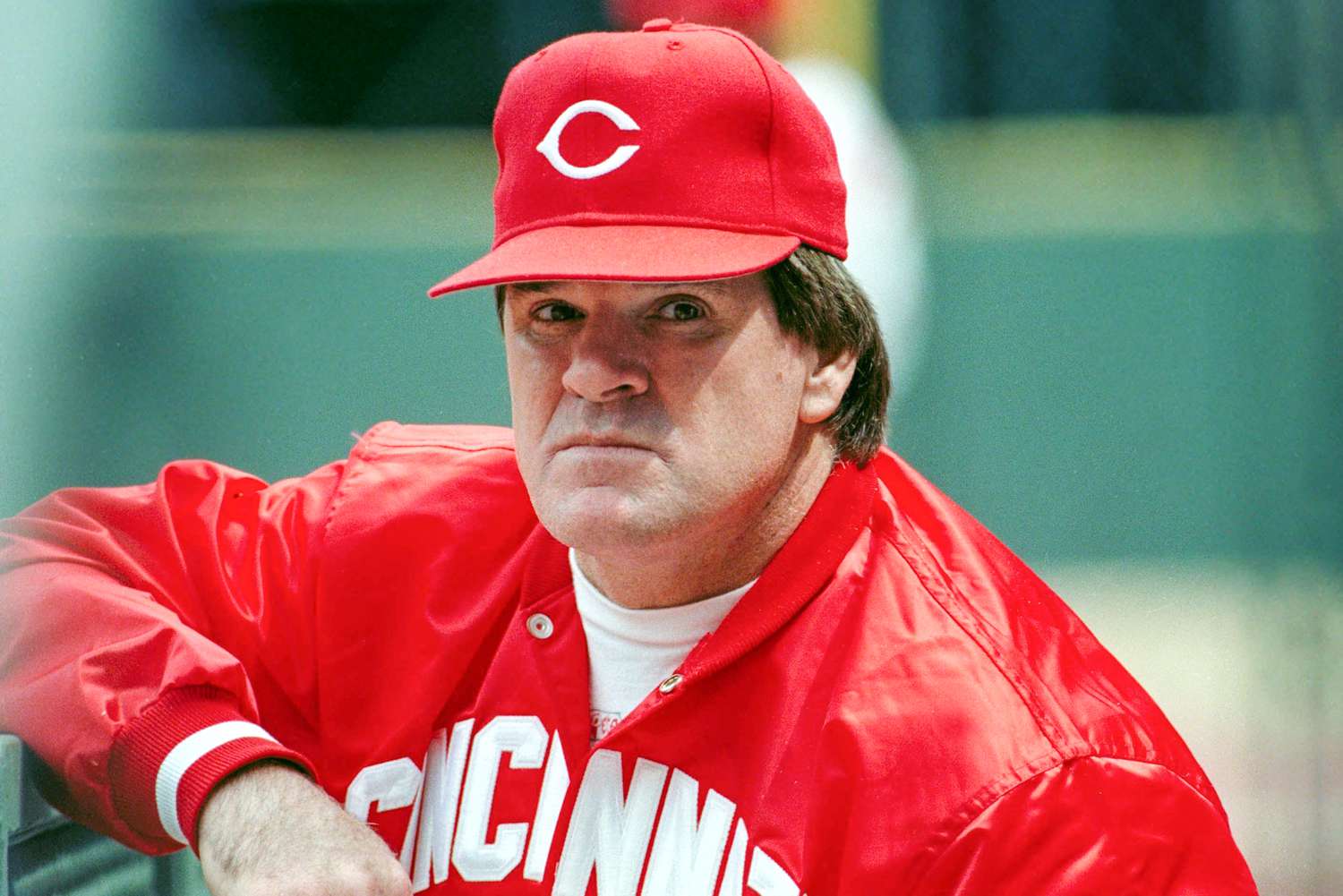
Pete Rose has surged to the top of trending searches across the United States following a landmark decision by Major League Baseball Commissioner Rob Manfred that could finally open the doors to Cooperstown for baseball’s all-time hit king.
A Historic Reversal
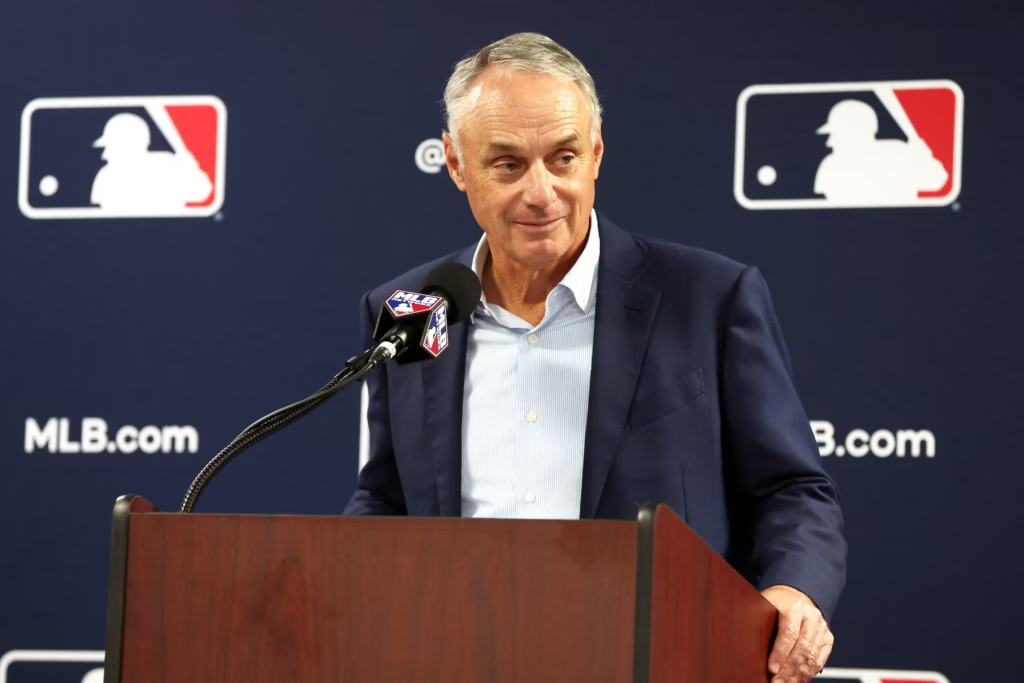
In what many baseball fans are calling long overdue, Commissioner Manfred announced Tuesday that Pete Rose, “Shoeless” Joe Jackson, and other deceased players have been removed from MLB’s permanently ineligible list. This monumental decision effectively ends Rose’s lifetime ban from baseball that has kept him out of the Hall of Fame since his banishment in 1989.
The commissioner’s ruling is based on a straightforward but profound principle: “Obviously, a person no longer with us cannot represent a threat to the integrity of the game,” Manfred wrote in his letter to attorney Jeffrey M. Lenkov, who petitioned for Rose’s removal in January. “Moreover, it is hard to conceive of a penalty that has more deterrent effect than one that lasts a lifetime with no reprieve.”
The End of a 35-Year Exile
Rose’s ban from baseball has been one of the sport’s most enduring and controversial punishments. The 17-time All-Star accepted a permanent ban from then-commissioner A. Bartlett Giamatti in August 1989 following an MLB investigation that determined he had bet on games while managing the Cincinnati Reds—gambling being considered baseball’s cardinal sin since the 1919 “Black Sox” scandal.
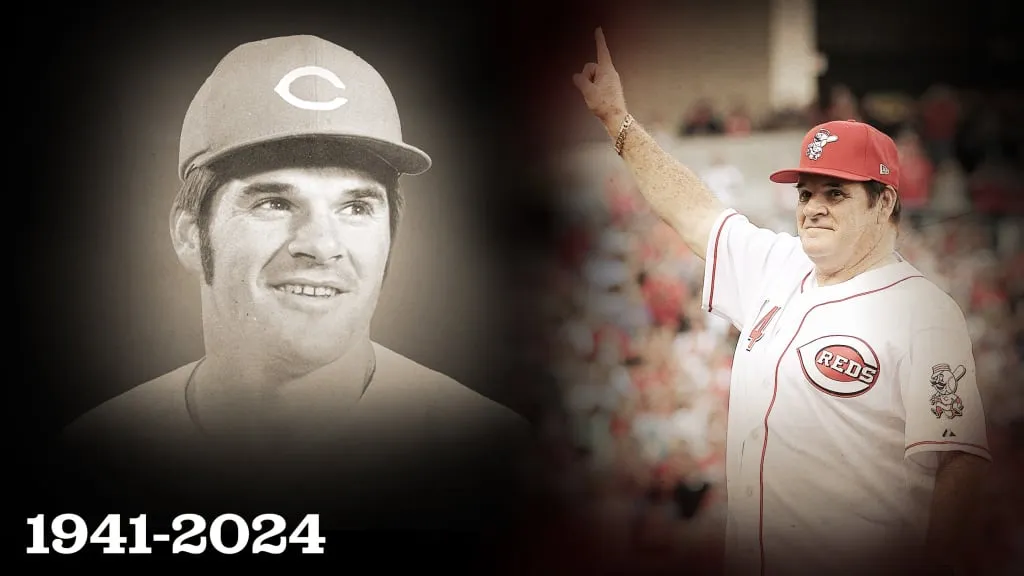
For decades, Rose believed his banishment would be temporary, perhaps lasting only a year or two. Instead, it became a lifetime sentence that extended beyond his death at age 83 last September. Despite his unparalleled achievements on the field—4,256 career hits, three World Series championships, three batting titles, an MVP award—Rose’s name has never appeared on a Hall of Fame ballot due to the “Pete Rose rule” implemented by the Hall in 1991.
From Beyond the Grave to Cooperstown?
The timing of this decision is particularly poignant, coming just seven months after Rose’s death. In his final interview, given just 10 days before his passing, Rose expressed his frustration at the possibility of posthumous recognition: “What good is it going to do me or my fans if they put me in the Hall of Fame a couple years after I pass away? What’s the point?”
Now, according to Jane Forbes Clark, chairman of the board of the Hall of Fame, Rose and Jackson will be considered by the Historical Overview Committee, which will develop the ballot for the Classic Baseball Era Committee vote in December 2027. If elected, Rose could be enshrined in the summer of 2028—a bittersweet victory that fulfills his lifelong dream while confirming his worst fear that he wouldn’t live to see it.
A Complex Legacy
Rose’s career statistics are staggering. Beyond his record-setting hit total, he holds MLB records for games played (3,562), at-bats (14,053), and singles (3,215). Nicknamed “Charlie Hustle” for his relentless playing style, Rose won more regular-season games (1,972) than any other professional athlete in American sports history.
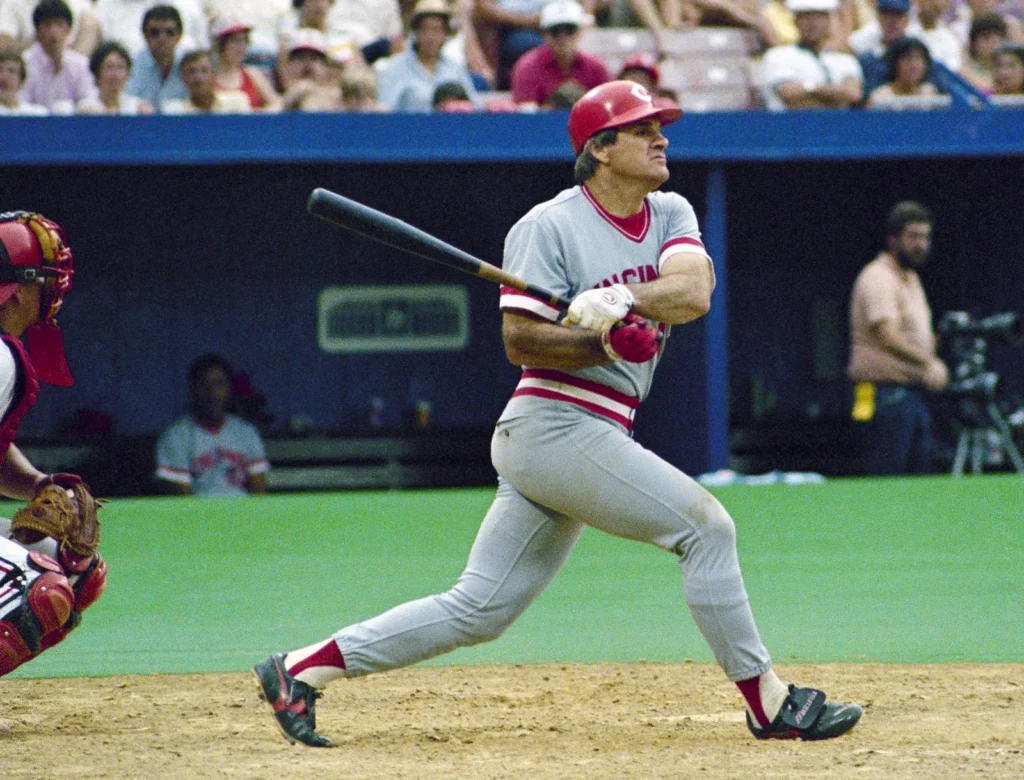
Yet Rose’s legacy remains complex. For 15 years, he denied betting on baseball before finally admitting in his 2004 book “My Prison Without Bars” that he had wagered on games—though he insisted he only bet on his team to win. Later reporting suggested he may have also bet as a player, something he never acknowledged. Additional controversies, including tax fraud that resulted in prison time and allegations of statutory rape, further complicated his case for reinstatement.
A Changed Landscape
Manfred’s decision comes amid a dramatically altered sports gambling landscape. As MLB and other professional leagues have embraced legalized gambling through sponsorships and partnerships in recent years, many fans have argued that Rose’s punishment seemed increasingly severe and outdated.

The ruling also affects 16 other deceased players and one deceased owner, including Jackson and his “Black Sox” teammates who were banned for fixing the 1919 World Series. Jackson, who died in 1951, maintained a career .356 batting average (fourth highest in MLB history) and has been the subject of numerous reinstatement campaigns over the decades.
What Happens Next?
Rose’s attorney and family have indicated they will petition the Hall of Fame for induction as soon as possible. A special “Pete Rose Night” scheduled for Wednesday at Cincinnati’s Great American Ball Park has now taken on new significance as “Reds Nation” celebrates not only Rose’s legacy but his renewed chance at baseball immortality.
While this decision doesn’t guarantee Rose’s induction—he would need 12 of 16 votes from the Classic Baseball Era Committee—it removes the largest obstacle that has kept baseball’s hit king out of Cooperstown. The news has reignited passionate debates among fans, journalists, and former players about whether Rose’s on-field excellence should outweigh his off-field transgressions.
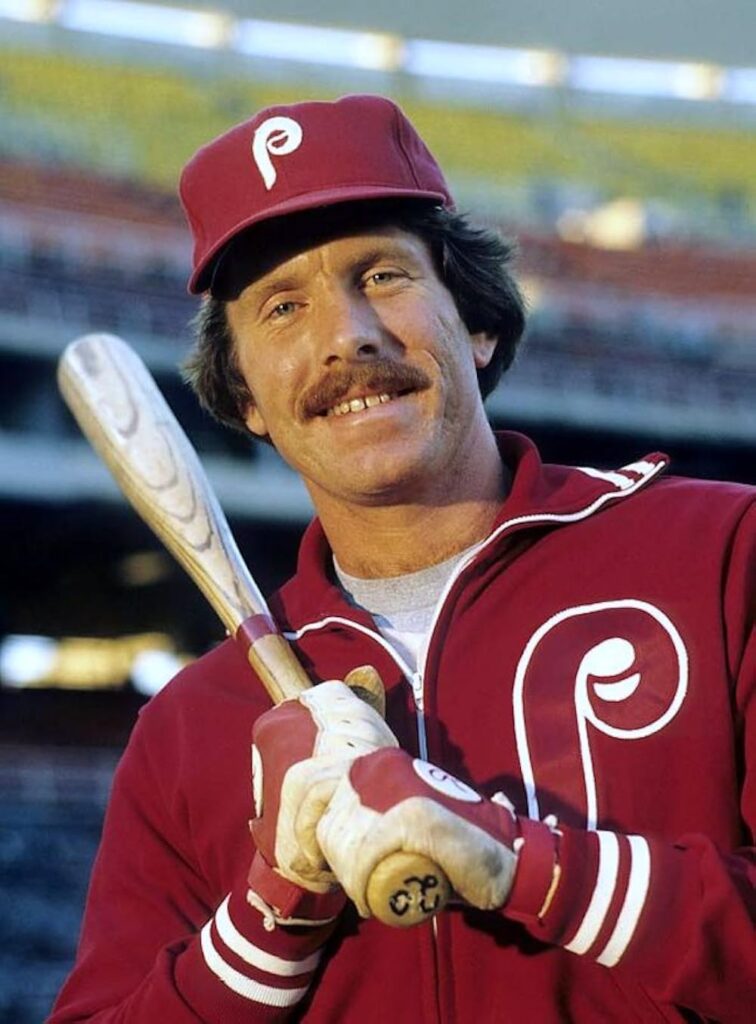
As Hall of Famer and Rose’s former teammate Mike Schmidt said in a statement released by the Phillies: “It’s a great day for baseball.”
ALSO READ TOP STORIES FROM VERILY NEWS