Ford Motor Company has once again captured national attention as “Ford recall” surges across US search trends following a significant safety announcement affecting nearly 274,000 vehicles. This latest recall has prompted widespread consumer concern and interest, particularly among owners of some of Ford’s most popular large SUV models.
Major Safety Recall Affecting Flagship SUVs
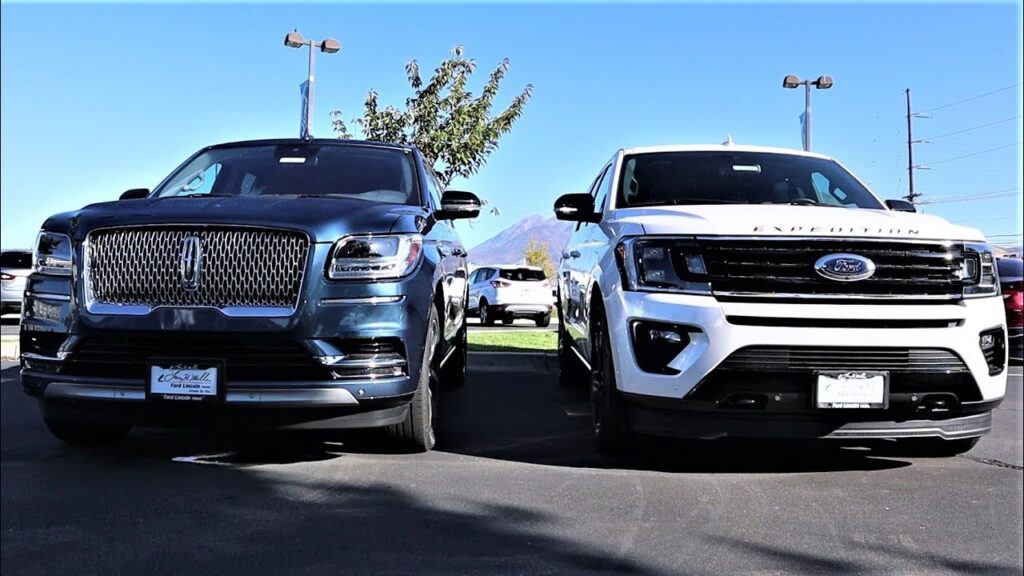
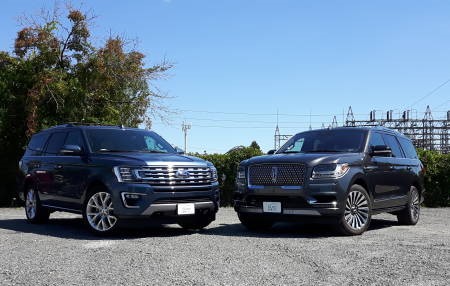
The trending searches stem from Ford’s announcement of a substantial recall covering approximately 274,000 of its full-size SUVs—specifically 223,315 Ford Expedition and 50,474 Lincoln Navigator vehicles from model years 2022 through 2024. These premium vehicles, which typically retail between $55,000 and $110,000, represent Ford’s flagship offerings in the lucrative large SUV segment.
What makes this recall particularly concerning is the nature of the defect: a potentially serious brake system issue that could compromise one of the vehicle’s most critical safety features. According to documents published by the National Highway Traffic Safety Administration (NHTSA), the front brake lines in affected vehicles may come in contact with the engine air cleaner outlet pipe due to an installation defect during manufacturing.
Brake Failure Risk Raises Alarm
The severity of the potential consequences has likely contributed to the surge in online searches. The defect can lead to brake fluid leaks or, in worst-case scenarios, a complete loss of braking function while driving—creating a significant safety hazard and increasing crash risks for drivers, passengers, and others on the road.
While Ford estimates that only about 1% of the recalled vehicles actually contain the defect, the critical nature of brake systems means even this small percentage warrants immediate attention. The Michigan-based automaker has reported receiving 45 warranty claims related to front brake line leaks as of mid-April, though they have not yet documented any accidents or injuries resulting from the issue.
Warning Signs Owners Should Watch For
Part of the widespread interest in this recall likely comes from concerned owners seeking information about how to identify potential problems. According to NHTSA documents, drivers experiencing this issue might notice:
- Increased brake pedal travel (needing to press the pedal harder or farther to apply the brakes)
- Gradually decreasing brake fluid levels
- Illumination of the red brake warning indicator on the dashboard
These symptoms should not be ignored, as they could indicate a developing brake line leak that might eventually lead to brake failure.
Free Repairs and Owner Notifications
Ford’s response to the issue involves a comprehensive inspection and repair program. Dealers will examine the front brake lines of affected vehicles and, if necessary, replace either the brake line or the air cleaner outlet pipe at no cost to owners.
The company began notifying its dealer network on May 15, with plans to mail notification letters to vehicle owners between May 26 and May 30. This timing likely contributes to the current spike in searches, as initial news reports circulate but before many owners have received official notification.
Checking If Your Vehicle Is Affected
With hundreds of thousands of vehicles involved, many Ford and Lincoln owners are naturally concerned about whether their specific vehicle falls under the recall. This has driven significant search traffic as people seek to verify their vehicle’s status.
Owners can confirm if their SUV is included in the recall by:
- Using the NHTSA’s recall lookup tool and entering their Vehicle Identification Number (VIN)
- Visiting Ford’s dedicated recall lookup website
- Referencing Ford’s recall number 25S47 when contacting dealers
Part of a Broader Pattern
This recall adds to a challenging period for Ford regarding quality control and vehicle safety issues. The automaker has issued multiple significant recalls in recent years, affecting millions of vehicles across its lineup. Industry analysts suggest these recurring quality concerns could impact consumer confidence in the brand and potentially influence future purchasing decisions.
For the automotive giant, addressing these issues effectively becomes not just a matter of regulatory compliance but also brand reputation management. The trending searches reflect not only immediate consumer concern but also broader questions about quality control in modern vehicle manufacturing.
Looking Forward
As Ford works to implement the necessary repairs across its dealer network, attention will likely focus on how efficiently the company manages the recall process. The effectiveness of their communication with owners, the availability of replacement parts, and the speed of repairs will all contribute to the overall impact of this recall on Ford’s reputation.
For now, owners of 2022-2024 Expedition and Navigator models are encouraged to check their vehicle’s recall status and follow Ford’s guidance regarding inspection and repairs. While the company indicates that only a small percentage of vehicles likely contain the defect, when it comes to critical safety systems like brakes, it’s always better to err on the side of caution.
ALSO READ TOP STORIES FROM VERILY NEWS