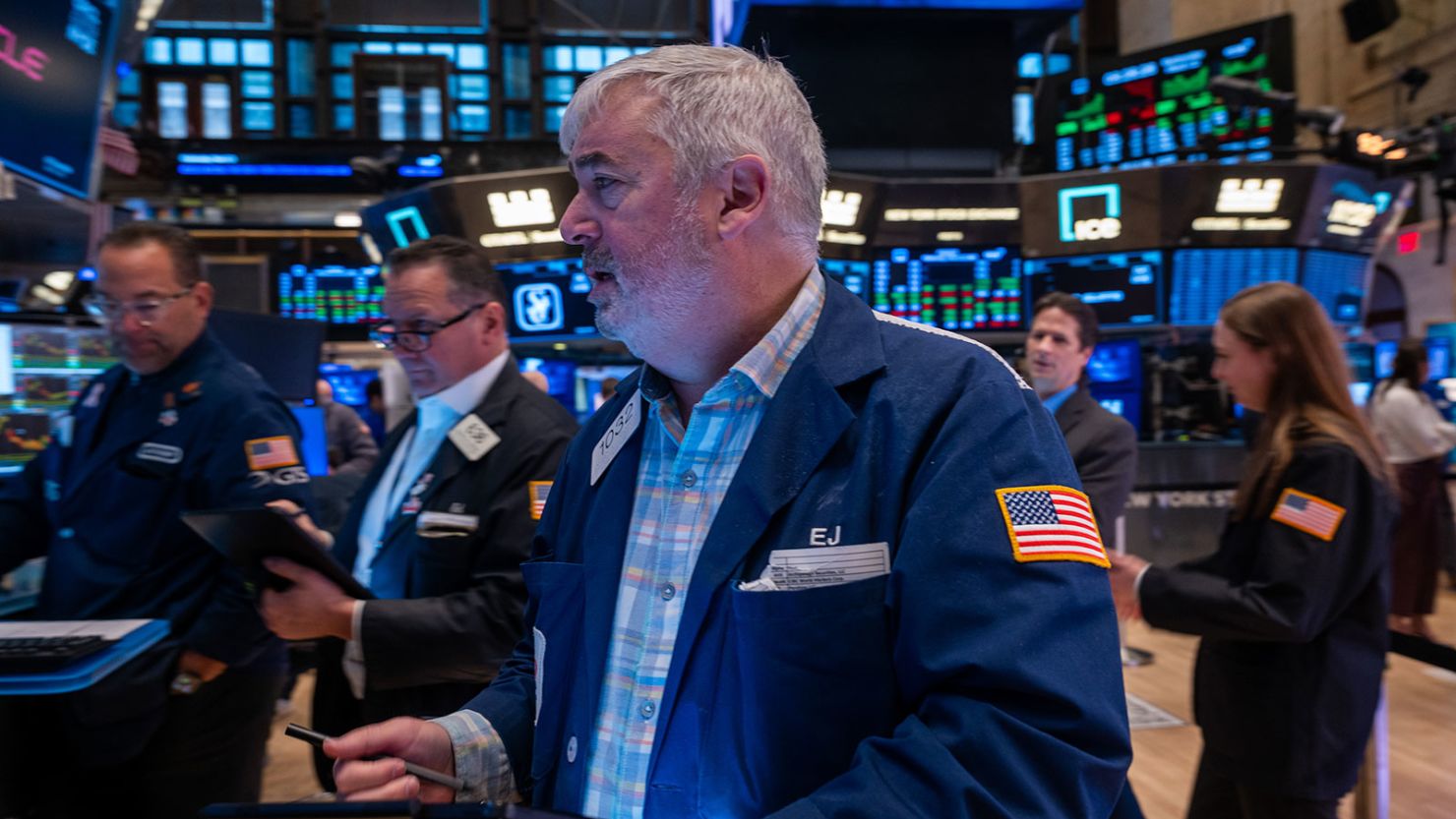
Wall Street futures painted a mixed picture in early Thursday trading as investors digested a tale of two tech titans while maintaining their focus on the Trump administration’s aggressive trade negotiation agenda.
The earnings season narrative took center stage with sharply contrasting performances from two of the market’s most closely watched companies. Alphabet, Google’s parent company, demonstrated robust confidence in its growth trajectory by announcing plans to increase capital expenditure to approximately $85 billion this year, with further increases anticipated in 2025.
The tech giant’s willingness to maintain heavy investment despite ongoing trade policy uncertainties sent a reassuring signal to investors, lifting its shares 3.5% in premarket trading.
In stark contrast, Tesla’s earnings call struck a more somber tone. CEO Elon Musk’s warning that reduced government support for electric vehicle manufacturers could result in “a few rough quarters” ahead reflected broader concerns about policy shifts under the current administration. The cautionary outlook sent Tesla shares tumbling 5% before the opening bell, highlighting the sector’s vulnerability to changing regulatory landscapes.
The futures market’s mixed response reflected this corporate earnings divergence. By 5:57 a.m. ET, S&P 500 E-minis had gained 7.75 points, or 0.12%, while Nasdaq 100 E-minis showed stronger momentum with an 85.25-point advance, or 0.37%. However, the Dow E-minis declined 136 points, or 0.3%, suggesting continued rotation dynamics within the broader market.
Wednesday’s session had already set a positive tone, with both the benchmark S&P 500 and the tech-heavy Nasdaq reaching fresh record highs. The rally was largely attributed to mounting optimism surrounding trade negotiations, particularly reports of an imminent deal between the United States and the European Union that would establish 15% import tariffs on the bloc.
The trade momentum continued to build following President Trump’s announcement of a separate agreement with Japan, which includes tariff reductions to 15% on goods from the Asian nation. These developments have significantly boosted risk sentiment across financial markets, as investors interpret the deals as evidence of the administration’s willingness to negotiate rather than impose the more punitive tariffs previously threatened.
With the August 1 deadline looming just one week away, market participants are positioning for what many expect to be an intensive period of diplomatic activity. China and South Korea are reportedly seeking similar arrangements to avoid the hefty duties that Trump has wielded as a negotiating tool, setting the stage for potentially market-moving announcements in the coming days.
Adding another layer of complexity to the current market environment is the escalating tension between the Trump administration and the Federal Reserve. The president’s scheduled visit to the central bank later Thursday comes amid his persistent criticism of Fed Chair Jerome Powell’s monetary policy stance. Trump’s public attacks on Powell for not cutting interest rates, combined with his musings about potentially removing the Fed chair, have introduced an element of policy uncertainty that extends beyond trade issues.
Financial markets are currently pricing in a 62.2% probability of a rate cut in September, according to the CME Group’s FedWatch tool, though the central bank is widely expected to maintain its current policy stance at next week’s monetary policy meeting.
The broader economic picture will come into sharper focus later Thursday with the release of weekly jobless claims data and S&P Global’s flash PMI readings. These indicators will provide crucial insights into the economy’s resilience amid the ongoing tariff uncertainties and policy debates.
Beyond the marquee earnings from Alphabet and Tesla, other corporate results continued to drive individual stock movements. IBM shares fell 5.25% as the technology stalwart’s second-quarter results disappointed investors, particularly due to weaker-than-expected sales in its core software segment. Conversely, ServiceNow surged 7.1% after the software company raised its annual subscription revenue forecast, demonstrating the continuing strength in certain technology subsectors.
As markets prepare for the opening bell, the overarching narrative remains one of cautious optimism tempered by policy uncertainties. While trade deal progress has provided a supportive backdrop for risk assets, the mixed corporate earnings results and ongoing Fed-administration tensions suggest that volatility may persist as investors navigate this complex landscape of economic and political crosscurrents.
WHAT YOU SHOULD KNOW
U.S. markets showed mixed early trading on Thursday, driven by two key developments: significant progress on trade deals with the EU and Japan (both featuring 15% tariffs) that boosted investor confidence and sharply contrasting corporate earnings results.
While Alphabet’s $85 billion spending commitment lifted tech sentiment, Tesla’s warning of “rough quarters” due to reduced EV government support highlighted policy risks.
Despite individual stock volatility, the broader market remains cautiously optimistic as investors bet that ongoing trade negotiations will outweigh corporate earnings concerns and Fed-administration tensions.
With China and South Korea seeking similar deals before the August 1 deadline, trade policy developments are likely to drive market direction more than individual company results in the near term.