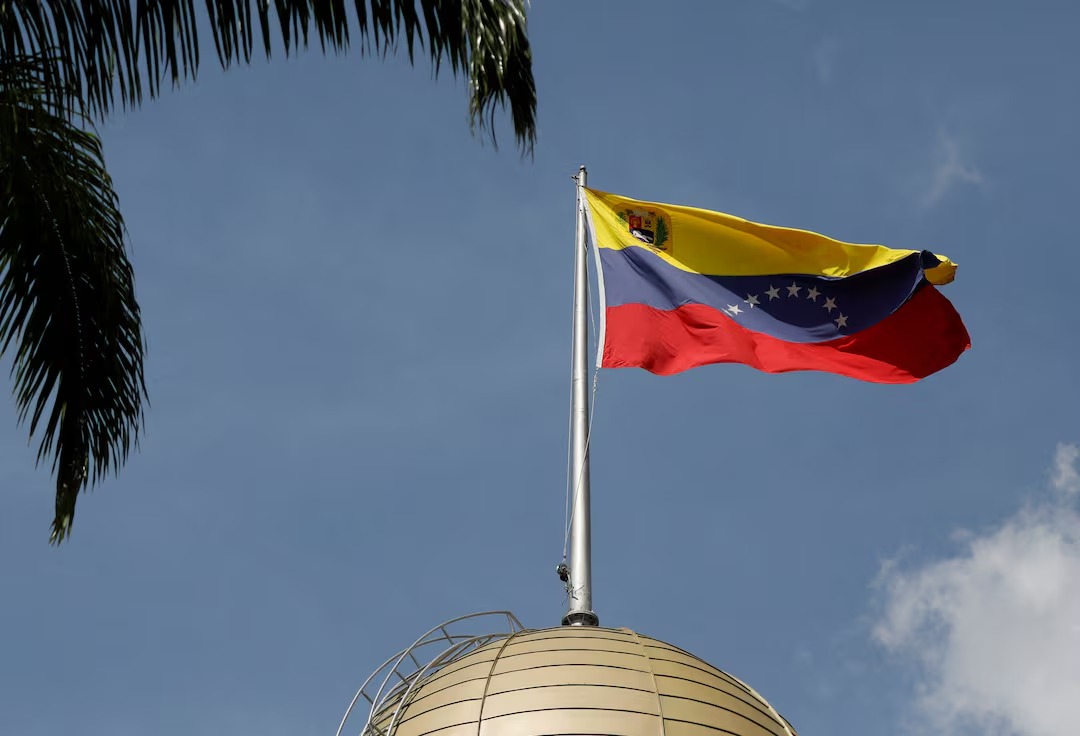
Venezuela’s economy remains gripped by severe inflationary pressures, even as the dramatic ouster of former President Nicolás Maduro in early 2026 has sparked cautious hopes for recovery amid a rapid thaw in relations with the United States.
According to the latest figures released by the Central Bank of Venezuela on Friday—the first such data in over a year—annual inflation reached a staggering 475% in 2025, making it the highest rate globally for that year.
This marked a sharp acceleration from 48% in 2024 and far surpassed the International Monetary Fund’s earlier projection of 269.9%. The surge was largely attributed to intensified U.S. sanctions under President Donald Trump‘s “maximum pressure” campaign, which targeted the Maduro regime’s oil revenues and financial operations in the months leading up to his removal.
The bank’s report also revealed that accumulated inflation for January and February 2026 stood at nearly 25%, underscoring that price pressures have not yet fully abated in the new year. No official forecast was provided for the remainder of 2026.
Sector-specific breakdowns painted a grim picture of last year’s economic toll: food and drink prices skyrocketed by 532%, healthcare costs rose 445%, and rent increased by 340%.
These increases have exacerbated an already dire cost-of-living crisis in a country where average monthly incomes hover between $100 and $300, far below what’s needed to cover basic food requirements, according to economists.
On the streets of Caracas, the human impact is palpable. “I have to hop from one supermarket to another. It shouldn’t be like this,” said Alix Aponte, a 58-year-old accountant shopping for vegetables on Friday.
She joined many Venezuelans calling for urgent salary adjustments to keep pace with runaway prices. Eduardo Sanchez, a teachers’ union leader, was blunt: “This inflation is killing us,” he said, attributing the woes to years of flawed economic policies.
The 2025 spike revived fears of a return to full-blown hyperinflation—defined as monthly price increases of 50% or more—which ravaged the country between 2017 and 2021. Memories linger of the 2018 peak, when year-on-year inflation hit a record 130,000%, forcing people to queue for hours for basics like coffee or sugar and triggering mass emigration.
A turnaround had begun by 2024, with inflation dropping to 48%, thanks to measures implemented under then-Vice President Delcy Rodríguez. These included greater fiscal discipline, halting excessive money printing, easing exchange controls, and effectively dollarizing the economy—making the U.S. dollar Venezuela’s de facto currency.
Following Maduro’s capture on January 3, 2026, in a U.S. special forces operation known as “Operation Absolute Resolve”—which saw elite Delta Force troops raid his Caracas compound and extradite him to face charges in the U.S.—Rodríguez assumed the role of acting president.
Washington has since eased sanctions, allowing oil exports to resume and signaling a “lightning-fast thaw” in bilateral ties. Both governments have pledged to restore full diplomatic relations and collaborate on developing Venezuela’s vast oil and mineral resources.
Rodríguez has launched ambitious reforms, opening the oil sector to private investment and planning updates to mining laws to attract foreign capital in critical minerals. These steps, combined with the sanctions relief, have fueled optimism among some analysts.
Tamara Herrera, director of the Sintesis Financiera consulting firm, projected inflation could moderate to just over 100% this year. Economist Jesus Palacios echoed that view: “Going forward, the inflation expectation is toward moderation.”
Yet many Venezuelans report little immediate relief from exorbitant prices for essentials like food and medicine. While the political shift has ended the era of maximum pressure sanctions that exacerbated the 2025 crisis, the path to sustained stability remains uncertain.
The legacy of prolonged mismanagement, infrastructure decay, and emigration continues to weigh heavily, even as the country navigates this unprecedented transition under acting leadership and renewed U.S. engagement.
WHAT YOU SHOULD KNOW
Venezuela’s 2025 inflation reached a world-high 475%, driven primarily by intensified U.S. sanctions under the “maximum pressure” campaign against Nicolás Maduro. Although Maduro was removed in January 2026 and sanctions have since eased, prices remain punishingly high for most citizens.