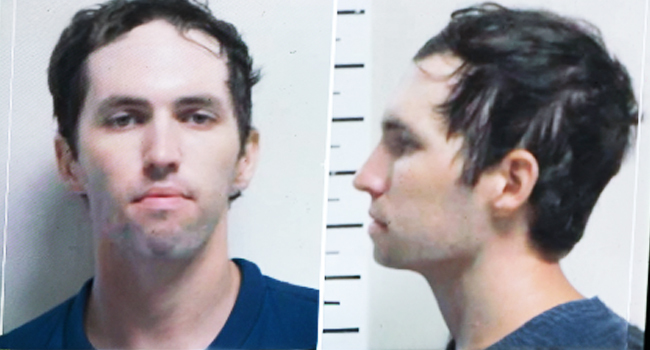
Authorities have confirmed that the suspect accused of killing conservative political activist Charlie Kirk will be formally charged in a Utah court on Tuesday.
Kirk, a prominent ally of President Donald Trump and founder of the conservative youth organization Turning Point USA, was fatally shot last week while speaking at a university campus in Utah. He was struck by a single bullet to the neck fired from a rooftop, allegedly by 22-year-old Tyler Robinson. After a 33-hour manhunt, Robinson was arrested and taken into custody.
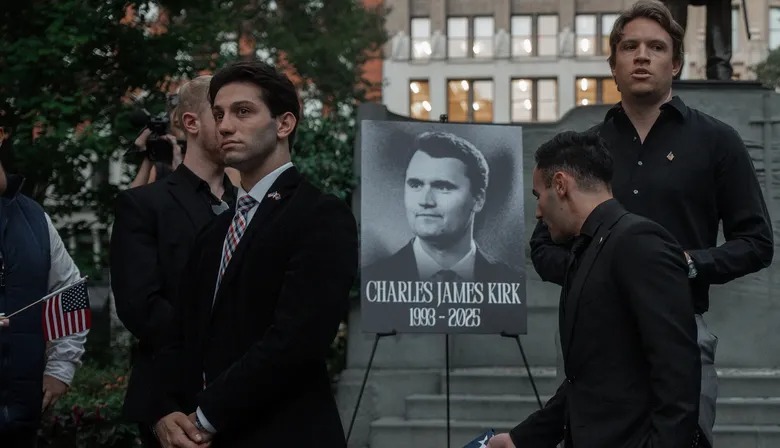
Kirk, a father of two, was widely known for leveraging platforms like TikTok, Instagram, and YouTube to promote conservative viewpoints. He often took sharp positions against transgender rights and used debate clips from his college events to further his message, gaining both a loyal following and strong criticism.
The fallout from the incident has also placed FBI Director Kash Patel under intense scrutiny. Patel initially announced the arrest of another individual, who was released within two hours after being cleared of involvement. His handling of the case, alongside broader concerns about his leadership since his appointment by Trump, has drawn criticism across the political spectrum.
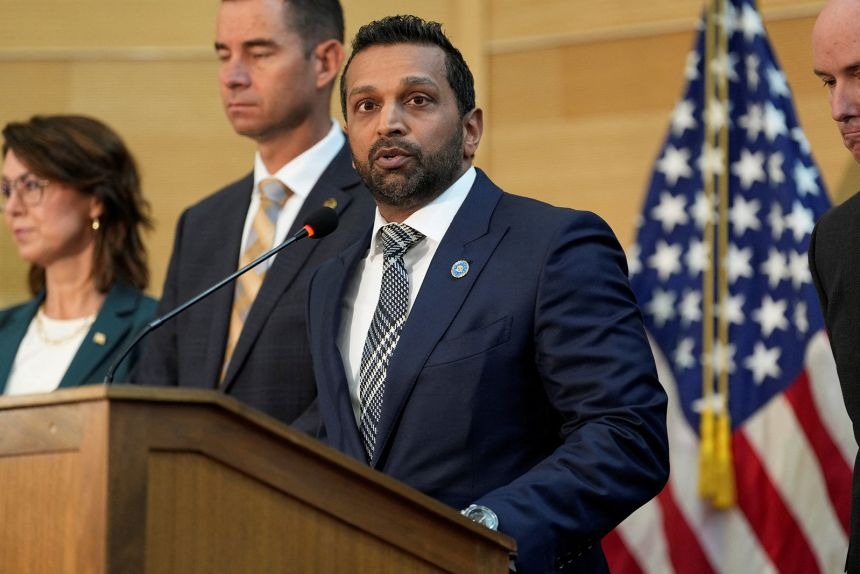
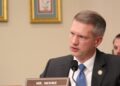
Patel is expected to face tough questioning from a Senate panel on Tuesday, with lawmakers likely to press him over the FBI’s immediate response to Kirk’s killing and other related issues.
Meanwhile, the White House announced plans to pursue what it described as a left-wing “domestic terror movement” in the wake of Kirk’s death. Critics, however, have warned that such a move risks being used to stifle political opposition under the guise of national security.
What you should know
Charlie Kirk, 30, was a polarizing figure in U.S. politics who built a strong conservative following as the founder of Turning Point USA.
His sudden killing has not only sparked outrage but also renewed debates on political violence and security at public events.
The case has drawn national attention, with questions now swirling around both the FBI’s handling of the investigation and the government’s broader response to potential threats tied to political divisions.