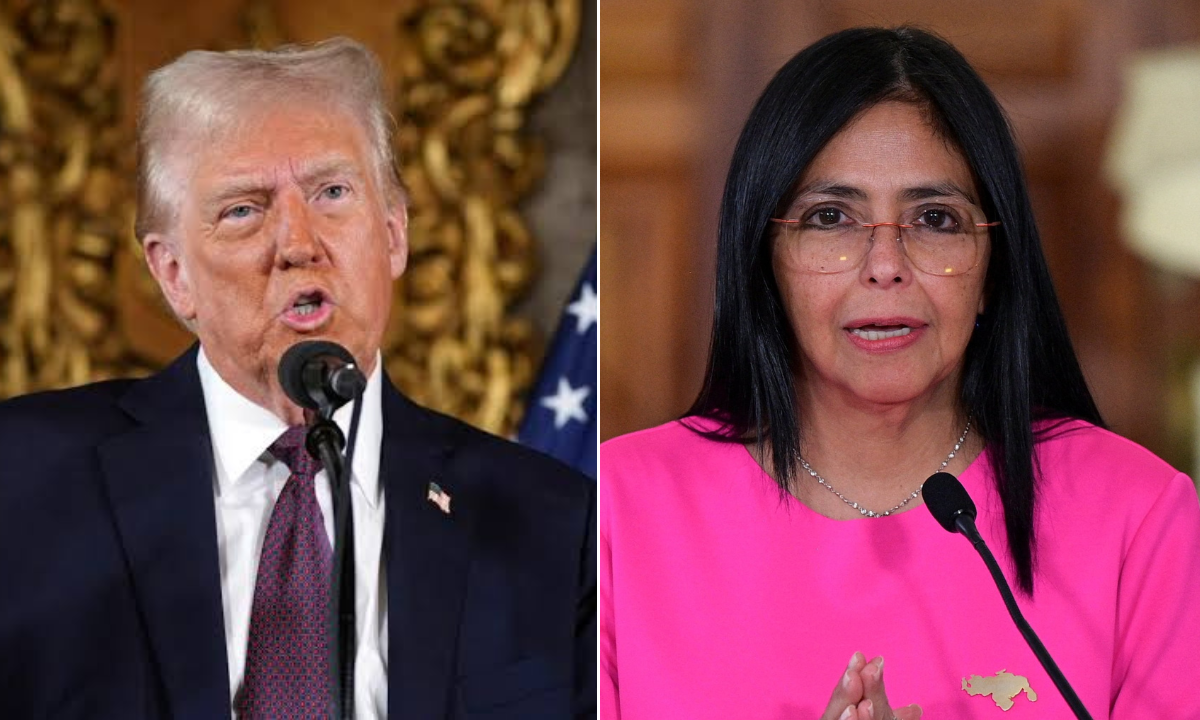
Venezuela’s interim president is expected to travel to the United States in the near future, according to a senior US official who spoke on Wednesday, underscoring President Donald Trump’s growing openness toward the oil-rich nation’s new leadership.
Delcy Rodriguez would become the first sitting Venezuelan president to make an official visit to the United States in over 25 years, excluding appearances by presidents attending United Nations meetings in New York.
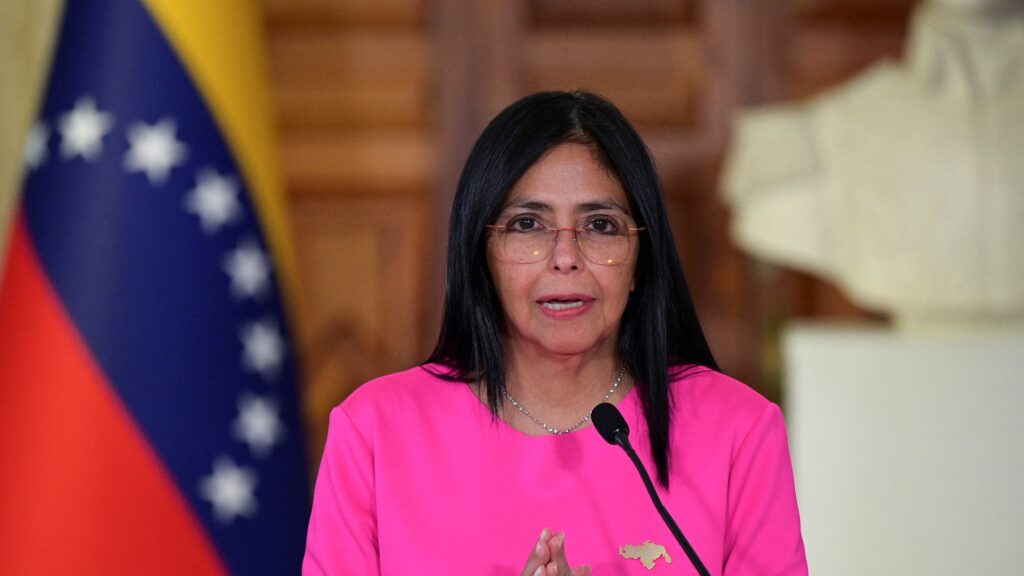
Speaking on Wednesday, Rodriguez said she was open to engagement with Washington and unafraid of dialogue.
“We are in a process of dialogue, of working with the United States, without any fear, to confront our differences and difficulties…and to address them through diplomacy,” Rodriguez said.
The planned visit highlights a dramatic shift in relations between Caracas and Washington following a US Delta Force operation that led to the capture of former president Nicolas Maduro, who was taken to the United States to face narcotrafficking charges.
Rodriguez, a former vice president and longtime figure within Venezuela’s previously anti-American and authoritarian leadership, assumed the role of interim president after changing course politically. Despite this, she remains under US sanctions, including an asset freeze.
On Wednesday, Rodriguez began restructuring Venezuela’s military leadership by appointing 12 senior officers to oversee regional commands.
With US warships stationed off Venezuela’s coast, her administration has permitted Washington to broker the sale of Venezuelan oil, opened doors to foreign investment, and released dozens of political detainees.
A senior White House official confirmed that Rodriguez would visit the United States soon, though no date has been announced.
All For Oil
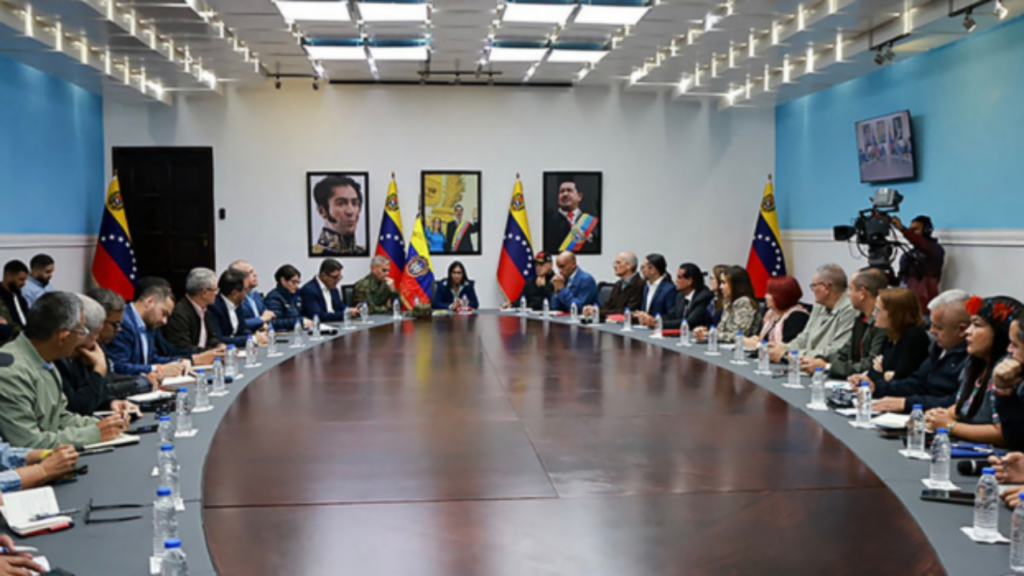
The most recent bilateral visit by a sitting Venezuelan president occurred in the 1990s, before the rise of Hugo Chavez. Since then, successive governments in Caracas have distanced themselves from Washington while strengthening ties with countries such as China, Cuba, Iran, and Russia.
The anticipated US trip, which Venezuelan authorities have yet to formally confirm, could create internal tensions for Rodriguez, as influential hardliners remain wary of US influence.
Interior Minister Diosdado Cabello and Defence Minister Vladimir Padrino Lopez continue to wield significant power, and analysts suggest their backing of Rodriguez is uncertain.
On Wednesday night, Cabello dismissed claims that he had held talks with US officials before Maduro’s removal.
“It’s a campaign. They say, ‘Diosdado met with the United States’…I haven’t met with anyone,” he said.
Trump has so far shown willingness to keep Rodriguez and much of the existing power structure in place, provided the United States gains access to Venezuela’s vast oil reserves, the largest proven reserves globally.
Earlier this month, Trump hosted exiled opposition leader and Nobel Peace Prize laureate Maria Corina Machado at the White House. Although he initially downplayed her influence over Venezuela’s armed forces and intelligence agencies, he later said he would “love” to have her “involved in some way.”
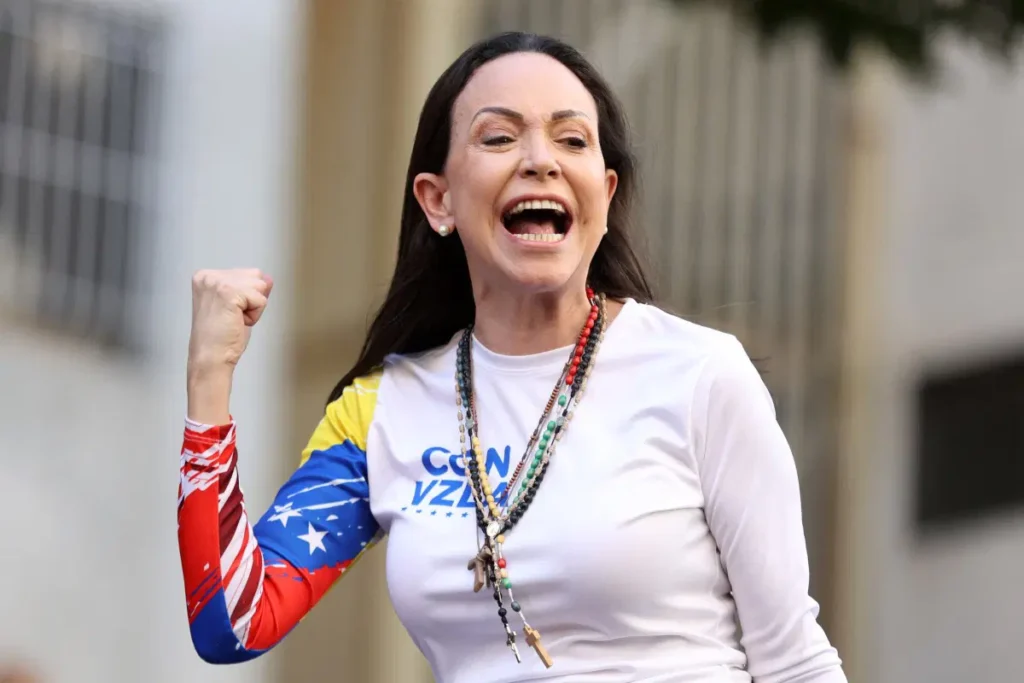
Machado’s party is widely believed to have won Venezuela’s 2024 elections, which Washington maintains were rigged by Maduro.
Political analysts argue that Trump’s approach reflects a desire to avoid the pitfalls of past regime-change interventions, including the US-led invasion of Iraq.
“Those kinds of intervention operations—and the deployment of troops for stabilization—have always ended very badly,” said Benigno Alarcon, a political analyst at the Andres Bello Catholic University in Caracas.
However, Trump’s stance has drawn criticism from democracy advocates who insist that all political prisoners must be released, granted amnesty, and that new elections must be conducted.
What you should know
The planned visit by Venezuela’s interim president to the United States marks a major shift in decades-long hostility between both countries.
The move follows the removal of Nicolas Maduro and signals Washington’s priority on stability and access to Venezuela’s vast oil reserves rather than immediate regime overhaul. While the US appears willing to engage pragmatically with Delcy Rodriguez, internal resistance within Venezuela and criticism from democracy activists remain strong.
The unfolding relationship reflects a broader recalibration of US foreign policy toward Latin America, balancing strategic interests with calls for democratic reform.