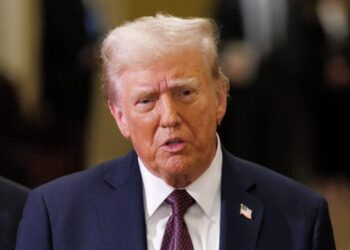
US senators appeared poised on Thursday to block a crucial vote aimed at preventing another costly government shutdown during President Donald Trump’s second term, as Democrats moved to halt funding tied to his intensified immigration enforcement following the deaths of two activists at the hands of federal agents.
Members of the Republican-controlled Senate are being asked to pass a six-bill spending package designed to finance more than three-quarters of the federal government for the remainder of the 2026 fiscal year.
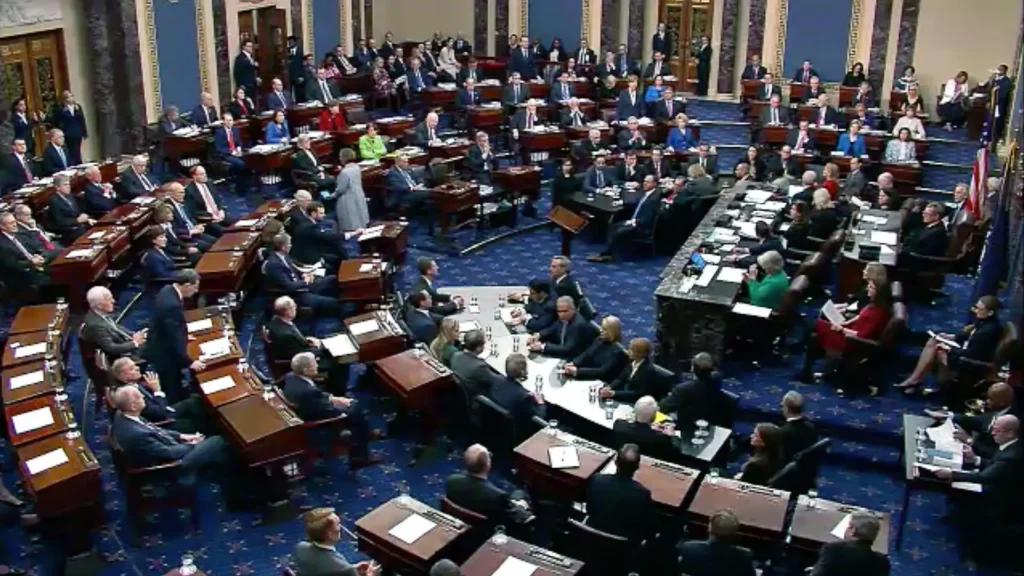
Democrats, however, have made clear they will obstruct the bill unless funding for the Department of Homeland Security is removed and renegotiated to impose stricter limits on Immigration and Customs Enforcement, currently the most heavily funded law enforcement body in the United States.
Without Democratic support, the Senate’s 53 Republicans would fall short of the 60 votes required to move the legislation forward, pushing Washington closer to a disruptive shutdown as talks drift toward a Friday night deadline.
“The bottom line is simple: the American people support law enforcement; they support border security, but they do not support ICE terrorising our streets and killing American citizens,” Senate Democratic Minority Leader Chuck Schumer said.
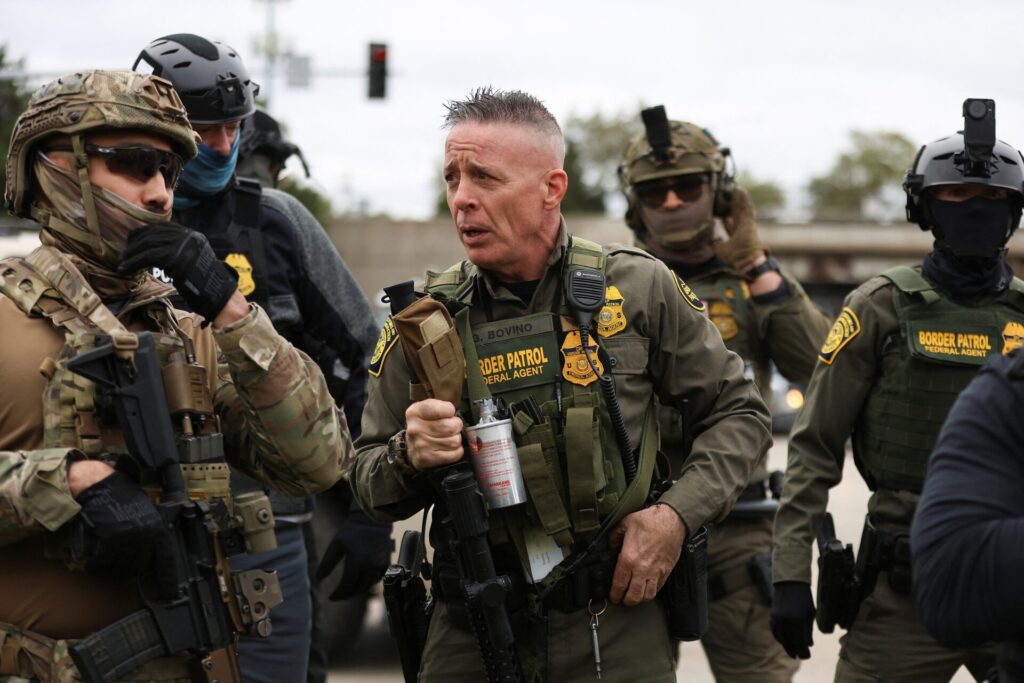
“ICE needs to be held to the same basic standards that any law enforcement agency is asked to follow.”
A lapse in funding could see hundreds of thousands of federal workers furloughed or compelled to continue working without pay, triggering wider economic consequences.
The confrontation comes at a politically sensitive moment, with all members of the House of Representatives and roughly one-third of the Senate facing reelection this year, and was sparked by a heated dispute over immigration enforcement practices.
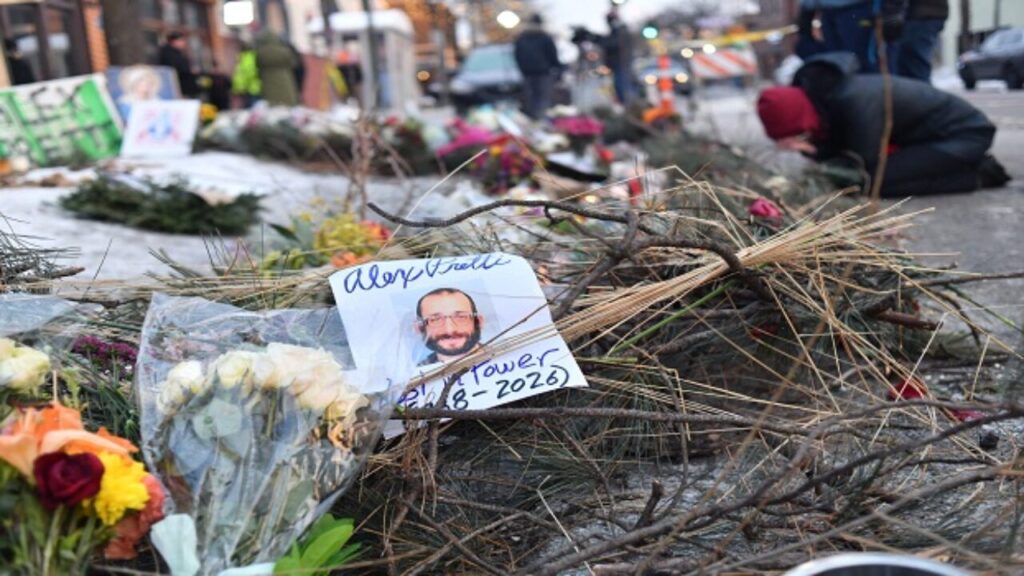
His killing sparked new protests and impassioned demands by local leaders for the Trump administration to end its operation in the city. (Photo by Octavio JONES / AFP)
Alex Pretti, an intensive care nurse who had been protesting Trump’s deportation policies in Minneapolis, was fatally shot on Saturday by border patrol officers, only weeks after another activist, Renee Good, was killed by immigration agents nearby.
Those deaths upended what had seemed to be a solid bipartisan budget agreement and shifted congressional focus sharply toward the behavior of immigration officers operating under Trump’s hardline approach.
As negotiations continue, Schumer has insisted that DHS funding be separated from the broader spending plan and debated independently, alongside new statutory restrictions governing ICE and related agencies.
Democrats say they are ready to swiftly approve the remaining five spending bills—covering areas such as defence, healthcare, education, transportation and financial services—if Republicans agree to isolate Homeland Security funding.
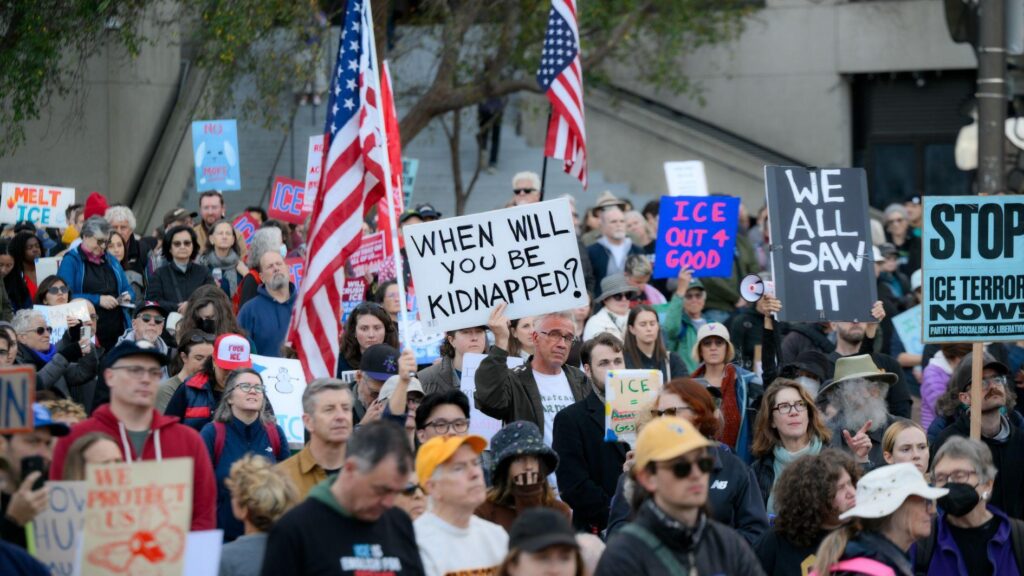
Their proposals include ending roaming ICE patrols, strengthening warrant requirements, enforcing a unified use-of-force standard, banning face coverings for officers, and requiring body cameras and visible identification.
Republican leaders have rejected the idea of dividing the package, arguing that changing the bill would delay approval and increase the likelihood of the very shutdown Democrats claim to oppose.
Because both chambers of Congress must pass identical legislation, the House’s current recess—lasting beyond the shutdown deadline—has further complicated any attempt to amend the deal.
Still, limited progress has been hinted at, with some Republican senators expressing willingness to move forward on the five non-DHS bills while adopting a short-term measure to keep Homeland Security funded during continued talks.
Concerns have also been raised about the impact a DHS shutdown could have on agencies like the Federal Emergency Management Agency, particularly amid severe winter weather.

According to US media reports, the White House has stepped up its involvement, with aides to Trump exploring whether a temporary extension of DHS funding could ease the impasse.
Democrats, however, have cautioned that they will not accept verbal guarantees or executive actions in place of binding legislation.
What you should know
The looming US government shutdown stems from a sharp dispute over immigration enforcement under President Donald Trump’s second-term agenda.
Democrats are blocking a major spending package unless funding for the Department of Homeland Security is separated and rewritten to restrict the powers and conduct of Immigration and Customs Enforcement.
Their stance follows the killing of two immigration activists by federal agents, which reignited concerns about accountability and use of force. Republicans argue that altering the bill risks delaying funding and triggering a shutdown.
With deadlines approaching and elections looming, both sides face mounting pressure to reach a compromise.