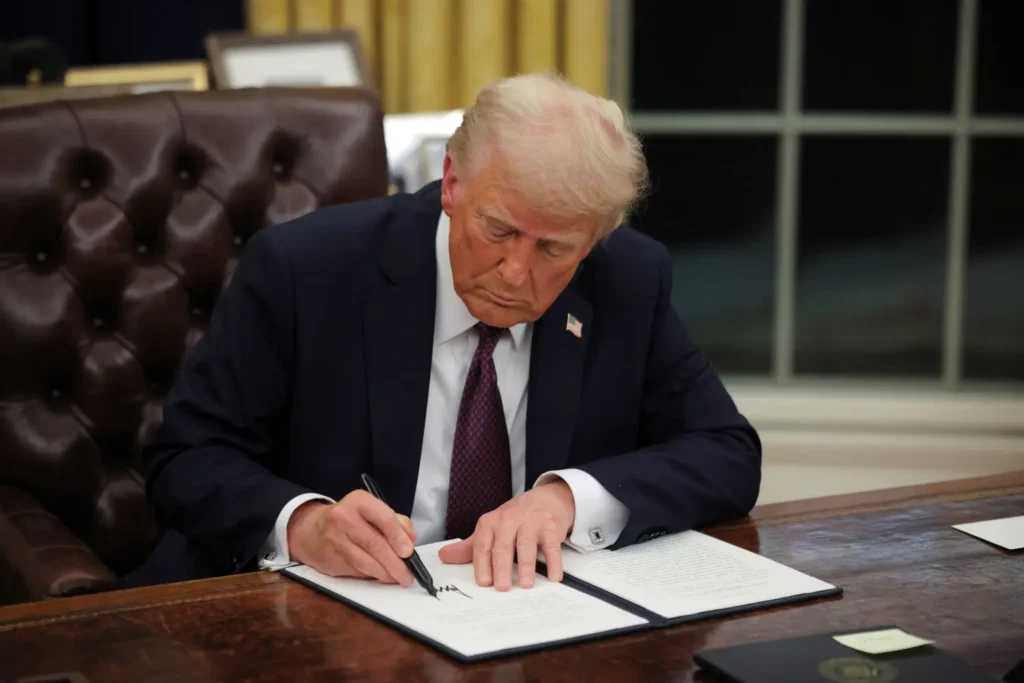
US President Donald Trump has signed an executive order declaring a national emergency to protect Venezuelan oil revenue held in US government accounts, according to the White House.
Under the order, funds from the sale of Venezuelan oil and related diluent sales—held in designated US Treasury accounts—are shielded from attachment, judicial process, seizure by creditors, liens, or other legal claims.
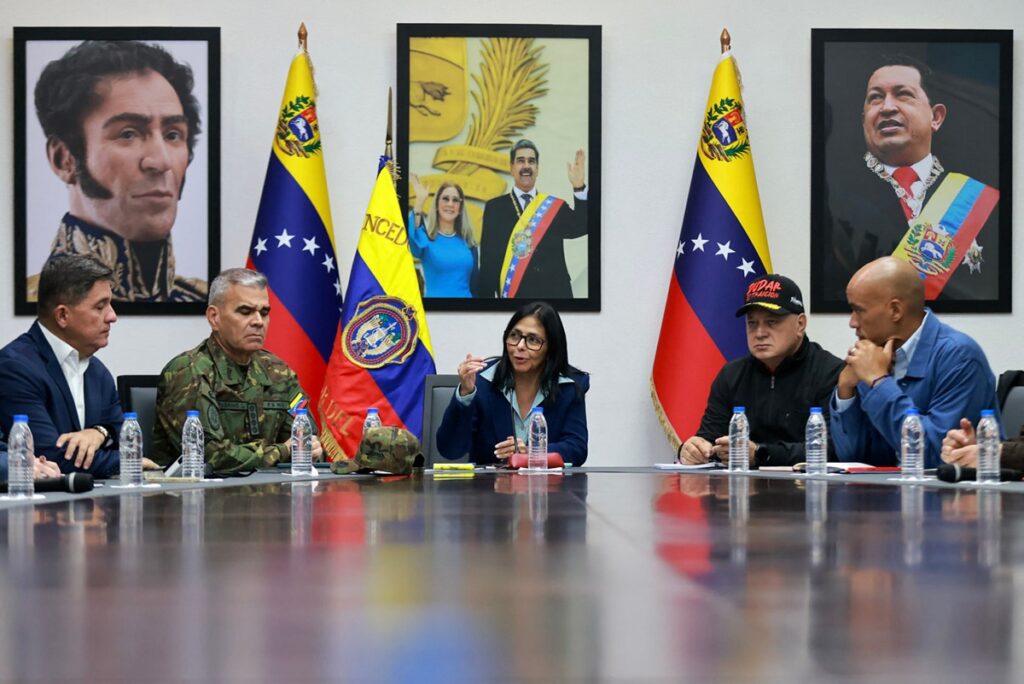
The White House says the revenues are being held in US custody “solely in a custodial and governmental capacity” and are considered sovereign property of the Venezuelan state.
The administration framed the move as essential to advance US foreign policy and national security goals in the region. The White House fact sheet argues that if courts or creditors seized the oil proceeds, it would undermine US efforts to promote economic and political stability in Venezuela, which Washington views as tied to reducing illegal immigration and countering illicit narcotics flows.
The executive order also prohibits transactions involving these funds except as authorised by the US government and supersedes prior orders related to Venezuelan oil funds. It was issued under the authority of the National Emergencies Act and the International Emergency Economic Powers Act.
The action comes amid broader US engagement with Venezuela following the recent capture of President Nicolás Maduro by US forces, and Trump’s push to attract US oil industry investment into the country.
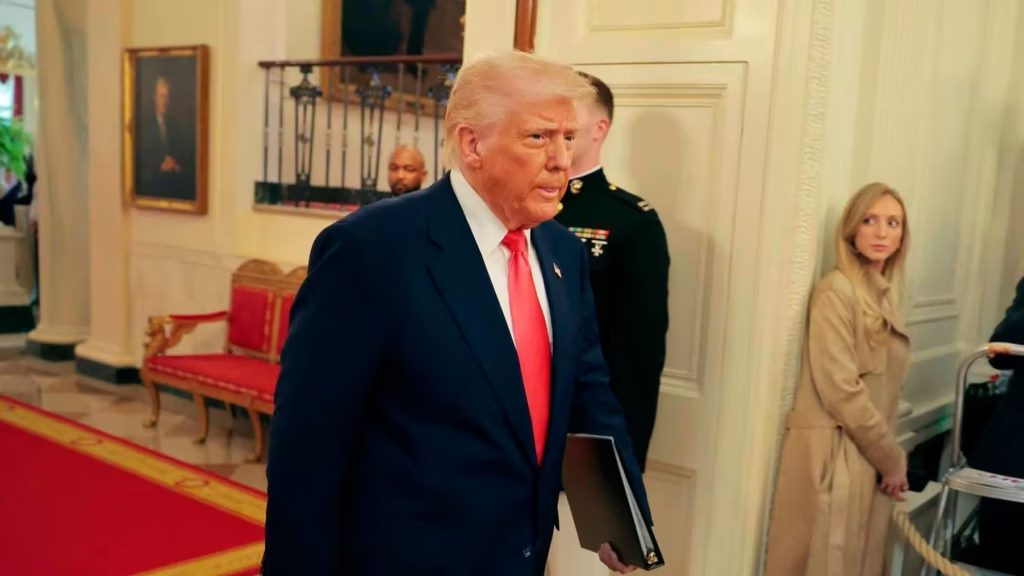
A White House meeting with oil executives on Friday highlighted both interest and caution from companies about investing in Venezuela’s oil sector.
In Caracas, supporters of Maduro reportedly rallied in protest against the new US order.
What you should know
The executive order declares a national emergency to protect Venezuelan oil funds held in US accounts from legal claims or seizures, based on national security and foreign policy grounds.
Oil revenue held in these “Foreign Government Deposit Funds” will be overseen by the US government in a custodial role, reflecting the Trump administration’s strategy to influence the Venezuelan economy and political transition.
The move follows heightened US involvement in Venezuela, including military action against Maduro and efforts to secure major oil sector investments, though executives have warned current conditions are “uninvestable” without reforms.
Proponents argue the step enhances regional stability and protects funds for diplomatic and policy objectives; critics view it as legal insulation for US control over Venezuelan assets.