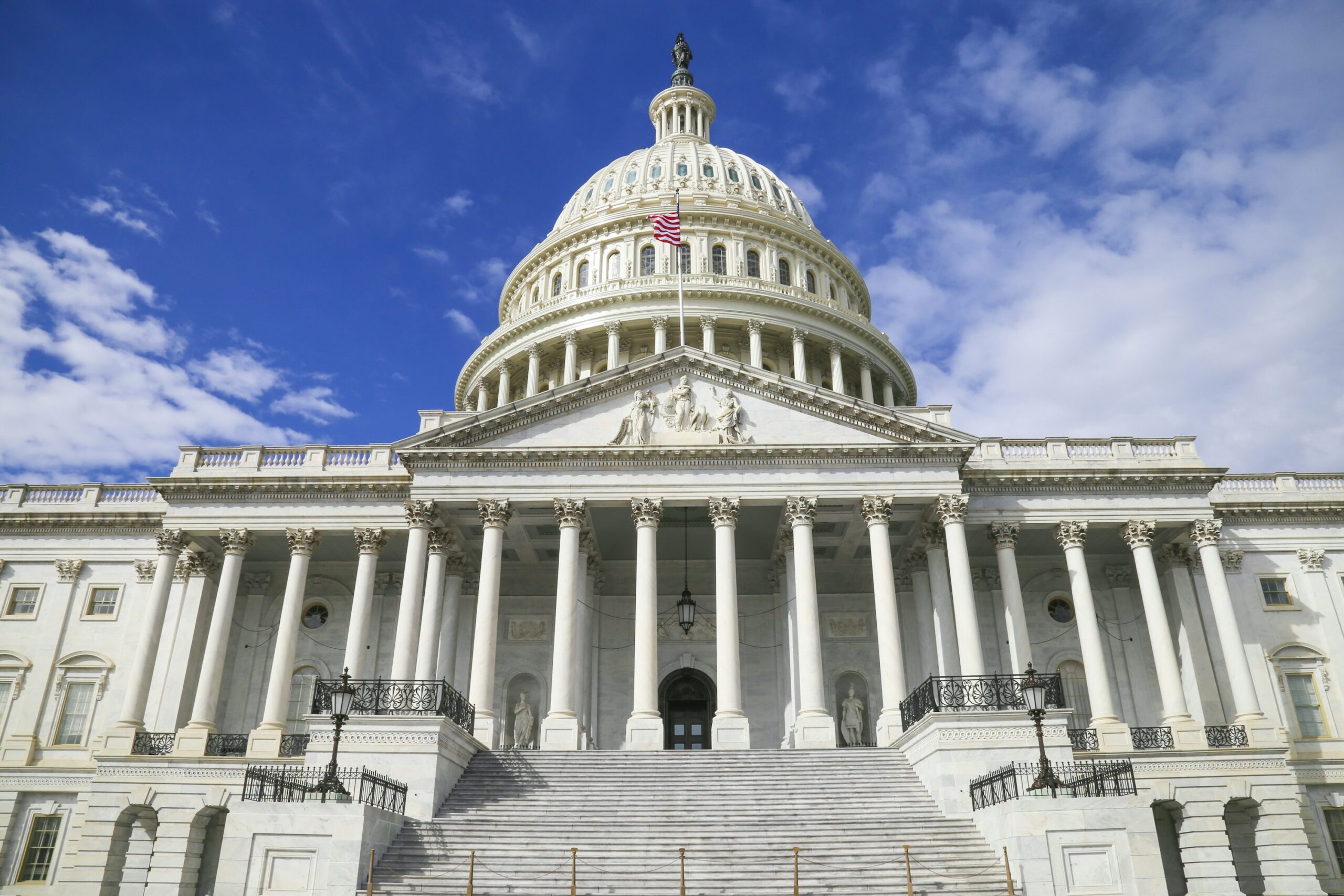
United States lawmakers were on Tuesday encouraged to mount stronger pressure on the Nigerian government to abolish Sharia law in northern states where “they has been adopted” and to shut down Hisbah commissions, which experts say are intensifying systematic persecution of Christians.
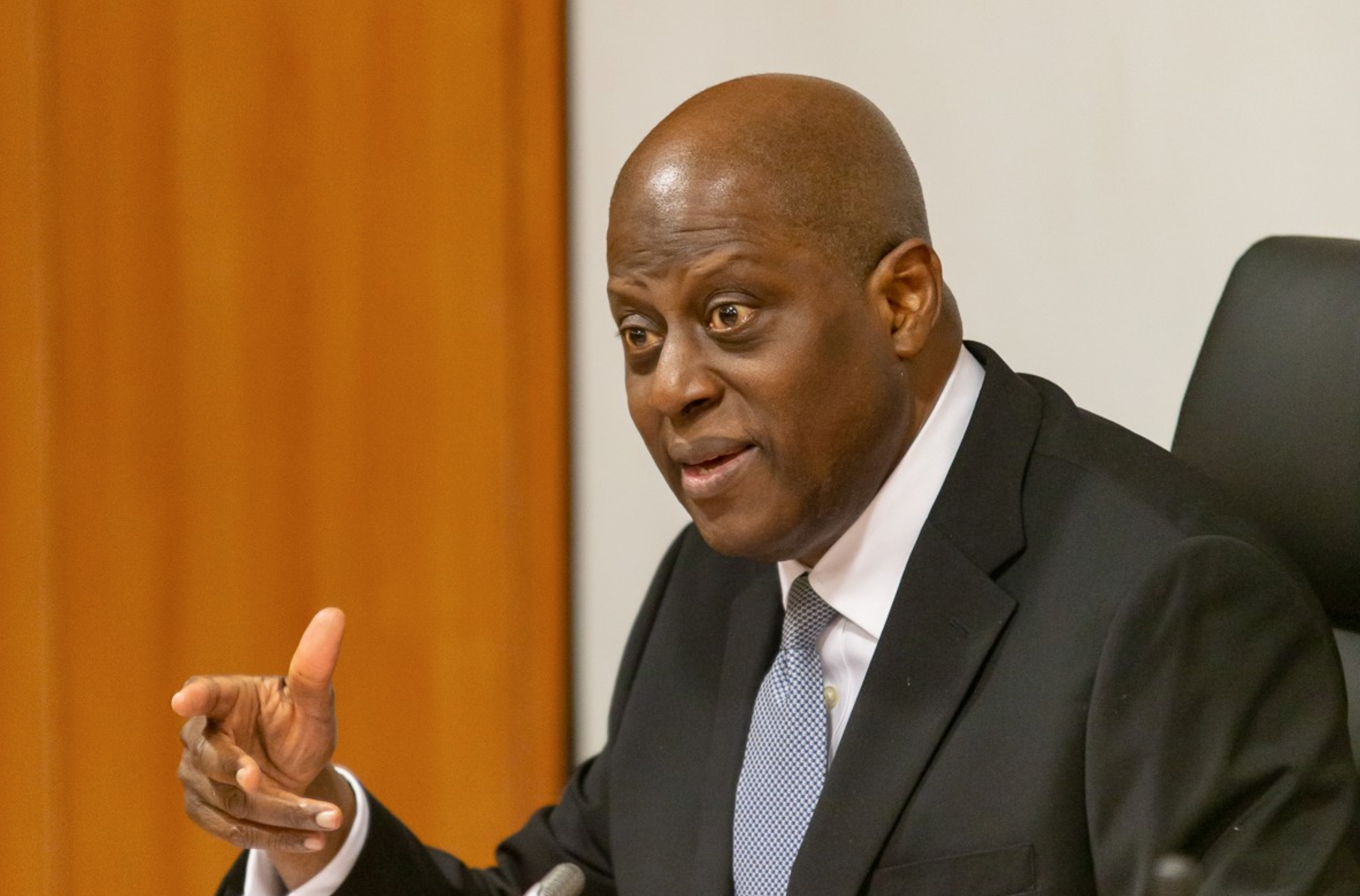
The call was made during a joint House briefing triggered by President Donald Trump’s recent directive and Nigeria’s redesignation as a “Country of Particular Concern.” At the session, Council on Foreign Relations Senior Fellow Dr. Ebenezer Obadare warned that extremist organizations, including Boko Haram, ISWAP, and radicalised Fulani militias, continue to exploit Sharia frameworks and Hisbah operatives to advance extremist doctrines, enforce forced conversions, and operate without accountability.
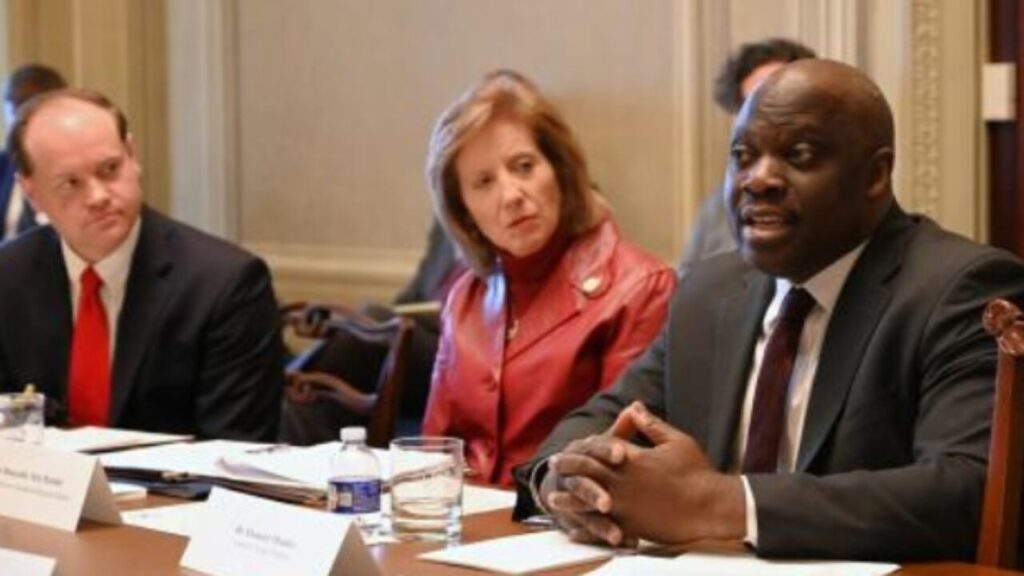
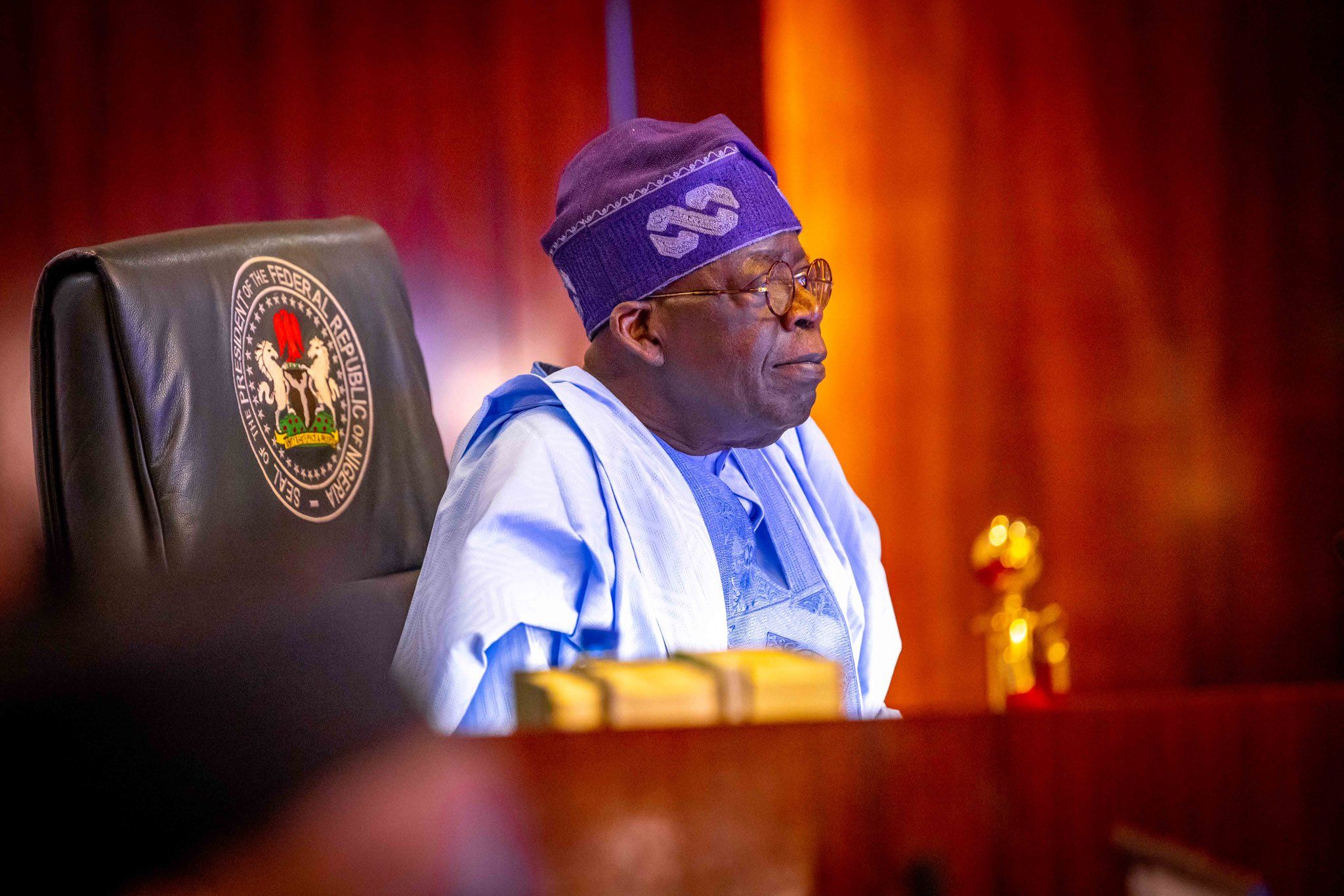
Obadare outlined a strategic response to the rising violence. Quoting a statement from the House Appropriations Committee, he said the US policy direction should be twofold: “Work with the Nigerian military to neutralise Boko Haram,” and “put pressure on President Tinubu to (1) make Sharia law unconstitutional in the twelve northern states where they has been adopted since 2000 and (2) disband the various Hisbah groups across northern states seeking to enforce and impose Islamic law on all citizens regardless of their religious identity.”
He noted that US pressure has already influenced Nigeria’s security posture, citing recent air strikes against Boko Haram, the recruitment of 30,000 new police officers, and a national security emergency declaration. Despite these steps, he insisted that “Washington must keep up the pressure.”
During the bipartisan sitting, led by Appropriations Vice Chair Mario Díaz-Balart, lawmakers repeatedly accused the Nigerian government of enabling what they described as widespread “religious cleansing” across the north and Middle Belt. Witnesses highlighted attacks—including the November 22 kidnapping of schoolchildren and teachers in Niger State—and the continued enforcement of blasphemy laws.
Obadare stressed the urgent need for a decisive military and policy offensive against Boko Haram, describing the jihadist group as “the deadliest and most serious threat confronting the Nigerian state today.” He argued that any security plan that fails to prioritise eliminating Boko Haram is fundamentally ineffective.
Lawmakers Chris Smith and Brian Mast demanded stronger accountability measures, including the disarming of militias and prosecution of perpetrators. Officials from the U.S. Commission on International Religious Freedom and ADF International called for increased security assistance, improved early-warning systems, and targeted sanctions to ensure compliance by Nigerian authorities.
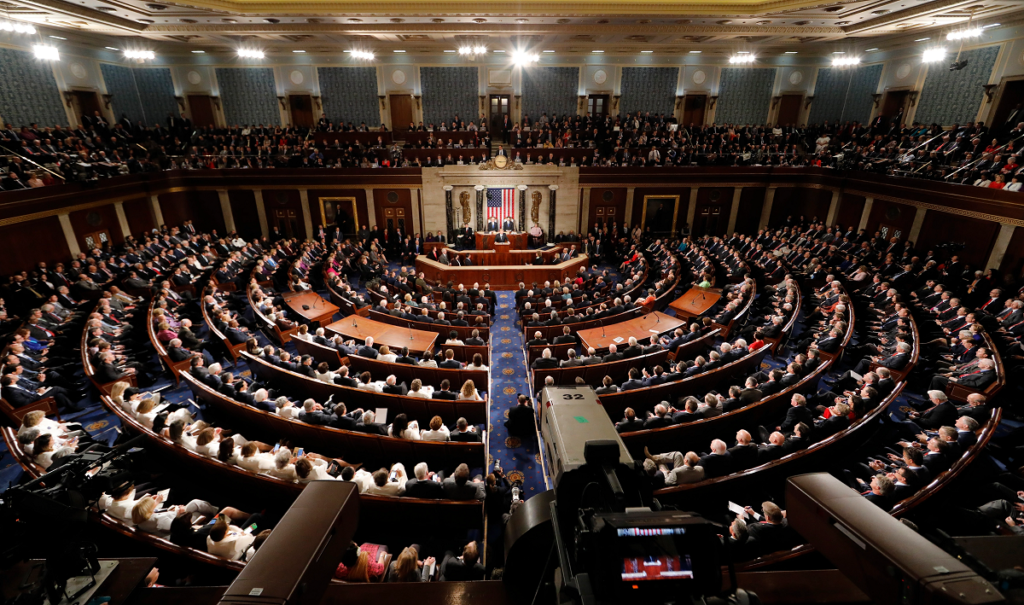
Both Republicans and Democrats expressed support for Díaz-Balart’s FY26 language addressing Nigeria’s crisis. The Appropriations Committee is preparing a comprehensive report to President Trump, with recommendations that may include imposing conditions on US assistance.
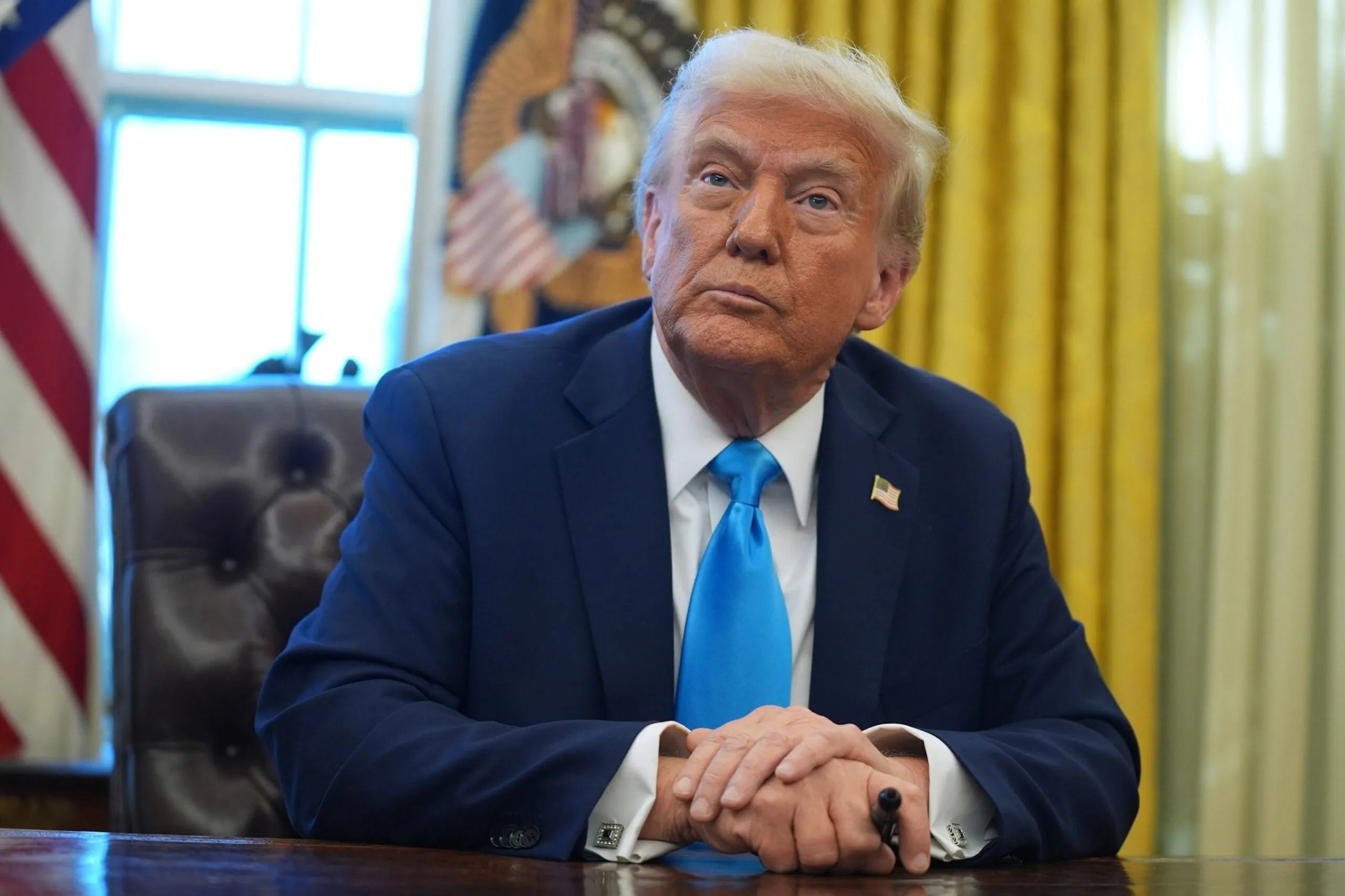
The meeting reflects escalating concern following Nigeria’s redesignation as a Country of Particular Concern. President Trump has warned that the US may suspend aid or even take military action if the Nigerian government fails to curb the alleged persecution of Christians.
Tuesday’s briefing follows a November 20 congressional hearing on Trump’s CPC decision, which featured testimony from US State Department officials and Nigerian religious leaders.
What You Should Know
This briefing marks a significant escalation in US engagement with Nigeria’s security and human-rights crisis.
Experts and lawmakers argue that jihadist violence, Sharia-based criminal laws, and Hisbah enforcement units are central to the persecution of Christians and broader insecurity. Dr. Obadare insists that dismantling these systems and weakening Boko Haram must become top priorities for both Nigeria and its international partners.
The US Congress is preparing a detailed report for President Trump, which may result in tougher conditions on American aid. With Nigeria redesignated as a Country of Particular Concern, Washington is signalling a readiness to demand stronger accountability.