The United States Department of Justice has announced the release of millions of additional pages from the Jeffrey Epstein case files, alongside thousands of photos and videos, a move that has further intensified an already charged political atmosphere and increased scrutiny on President Donald Trump.
Deputy Attorney General Todd Blanche disclosed that more than three million pages of records linked to the late convicted sex offender have now been made public on a Justice Department website.

The release also includes approximately 180,000 images and 2,000 video files connected to the long-running investigation.
“Today’s release marks the end of a very comprehensive document identification and review process to ensure transparency to the American people,” Blanche stated during a press briefing.
He explained that all images featuring girls and women had been redacted, with the sole exception of those showing Ghislaine Maxwell. Maxwell, Epstein’s former associate, was convicted of trafficking underage girls for him and is currently serving a 20-year prison sentence.
“We did not redact images of any men unless it was impossible to redact the woman without also redacting the man,” the deputy attorney general said.
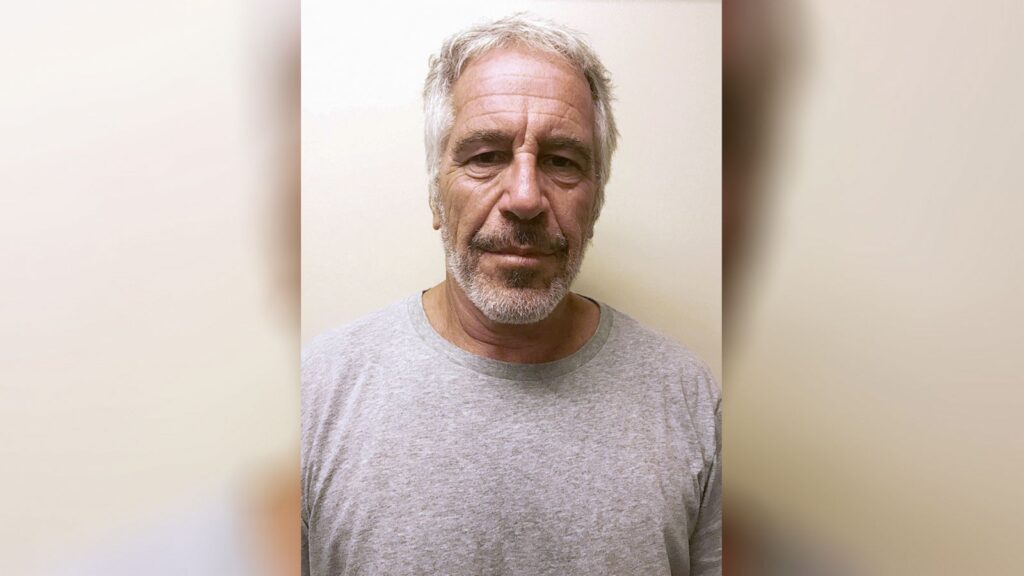
The newly released material is expected to contain documents and evidence not previously made public from the investigation into Epstein, the wealthy financier who died in a New York jail in 2019 while awaiting trial on federal charges related to the sex trafficking of minors. Authorities ruled his death a suicide.
Earlier document releases revealed Epstein’s connections to prominent figures across business, entertainment, academia, and politics, including President Trump and former US president Bill Clinton.
Among the most consequential records disclosed to date are two FBI emails from July 2019 that reference 10 alleged “co-conspirators” connected to Epstein. However, the names mentioned in the emails remain redacted.
To date, Maxwell is the only individual who has been formally charged and convicted in relation to Epstein’s crimes.
According to Axios, several key documents remain unreleased, including a draft 60-count federal indictment against Epstein that was unexpectedly dropped, as well as an 82-page prosecution memorandum from 2007.
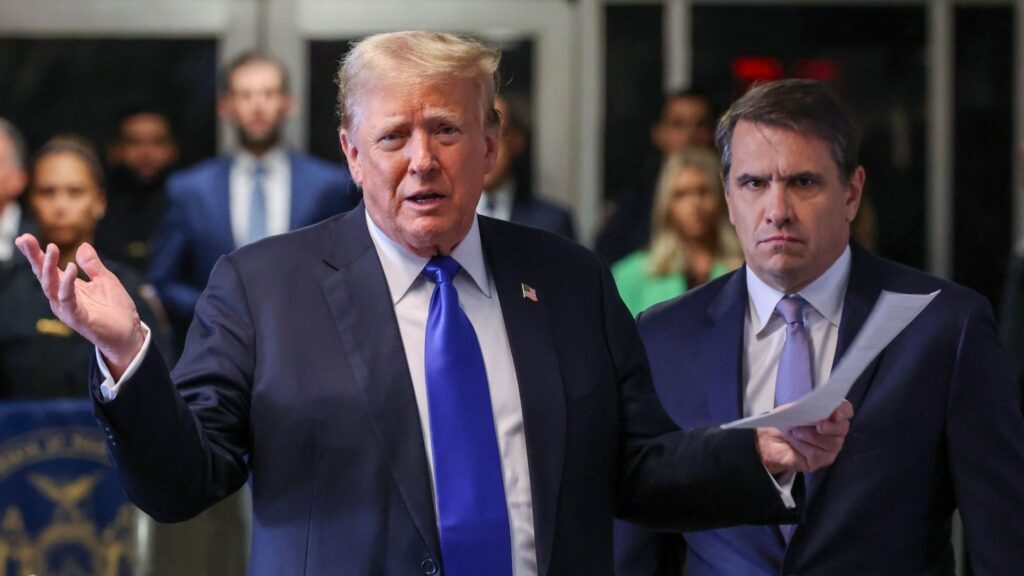
Trump, who was once socially close to Epstein, and Clinton both appear repeatedly in the files that have been made public. Despite this, neither man has been accused of criminal conduct in connection with Epstein’s activities.
Recently, a Republican-controlled House committee voted to initiate contempt of Congress proceedings against Bill and Hillary Clinton after they declined to testify before a congressional investigation into the Epstein case.
Trump, now 79, had previously resisted the release of the extensive collection of Epstein-related documents. However, internal opposition within the Republican Party eventually compelled him to approve legislation requiring their disclosure.
‘We Did Not Protect President Trump’
The Epstein Files Transparency Act mandated that all Justice Department-held documents related to the case be released by December 19.
Blanche said the latest disclosure brings the department into compliance with the law, attributing the delay to the painstaking process of redacting sensitive information to safeguard the identities of more than 1,000 victims linked to Epstein.
The extensive redactions across many of the documents, combined with the Trump administration’s firm control over the release process, have fueled claims that senior figures may be shielding powerful individuals from exposure.
Blanche, who previously served as Trump’s personal attorney, dismissed accusations that the Justice Department acted to protect the president.
“We complied with the act,” he said. “We did not protect President Trump. We didn’t protect or not protect anybody.”
He insisted that the White House had no involvement in reviewing the materials.
“They had no oversight over this review,” Blanche said. “They did not tell this department how to do our review, what to look for, what to redact, or what to not redact.”
After Trump’s name began appearing in some of the released documents, the Justice Department issued a statement clarifying that certain records “contain untrue and sensationalist claims made against President Trump.”
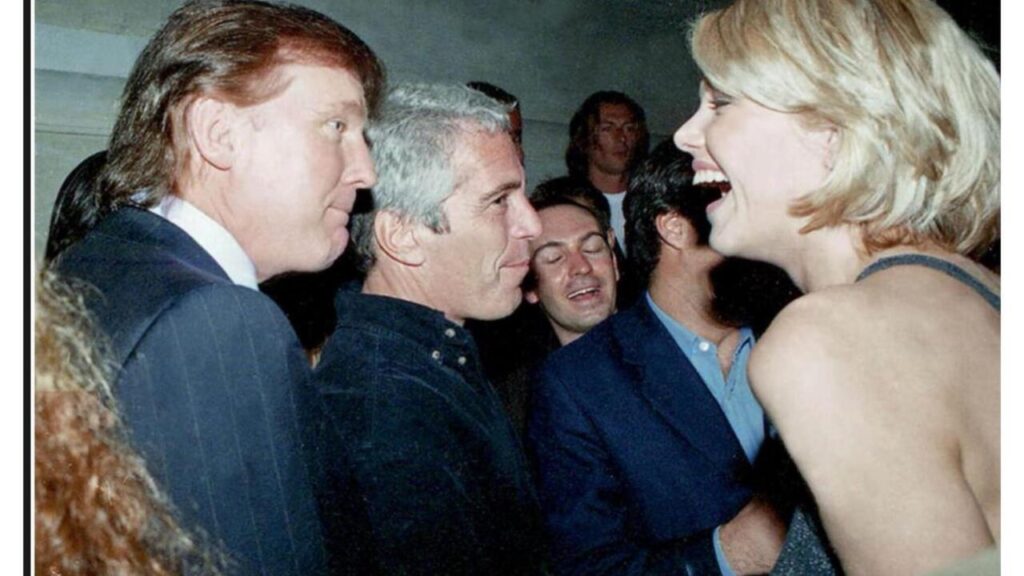
However, previously disclosed documents confirm that Trump and Epstein once maintained a close social relationship. They moved within similar elite circles in New York and Florida, and records show that Trump traveled multiple times aboard Epstein’s private aircraft.
A January 2020 memo from New York federal prosecutors investigating Maxwell indicated that Trump took eight flights on Epstein’s plane between 1993 and 1996.
Trump has offered differing explanations over the years regarding his eventual fallout with Epstein. He has also criticised the mass release of files, warning that individuals who merely “innocently met” Epstein risk having their reputations unfairly damaged.
Meanwhile, a spokesperson for Clinton has called on the Justice Department to make public all materials related to the former president, maintaining that he has nothing to conceal.
What you should know
The release of millions of Epstein-related documents represents one of the most extensive disclosures tied to the scandal, reigniting political controversy and public debate in the United States.
While the Justice Department insists the process was conducted independently and in line with the Epstein Files Transparency Act, critics argue that heavy redactions and delayed disclosures raise questions about accountability.
The documents further confirm Epstein’s links to powerful figures, including Donald Trump and Bill Clinton, though no criminal accusations have been made against either.
As additional materials may still surface, the case continues to shape political tensions, public trust, and demands for full transparency.