The United States government began shutting down on Wednesday after President Donald Trump and lawmakers failed to resolve a bitter budget impasse centered on Democratic demands for health care funding.
The deadlock, which immediately drew blame from both Republicans and Democrats, has forced multiple federal departments and agencies to halt operations, impacting hundreds of thousands of government workers and millions of Americans who rely on public services.
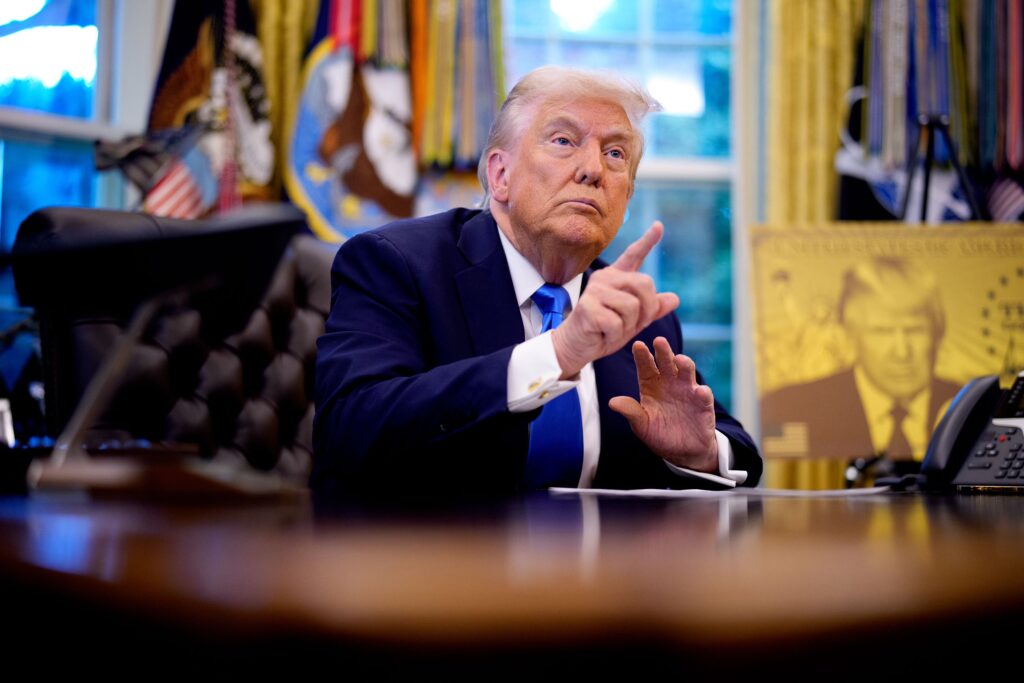
Trump defended the shutdown, describing it as an opportunity to eliminate what he called “Democrat things” and threatened widespread public sector layoffs that would mostly affect Democratic strongholds. “So we’d be laying off a lot of people that are going to be very affected. And they’re Democrats, they’re going to be Democrats,” he said from the Oval Office.
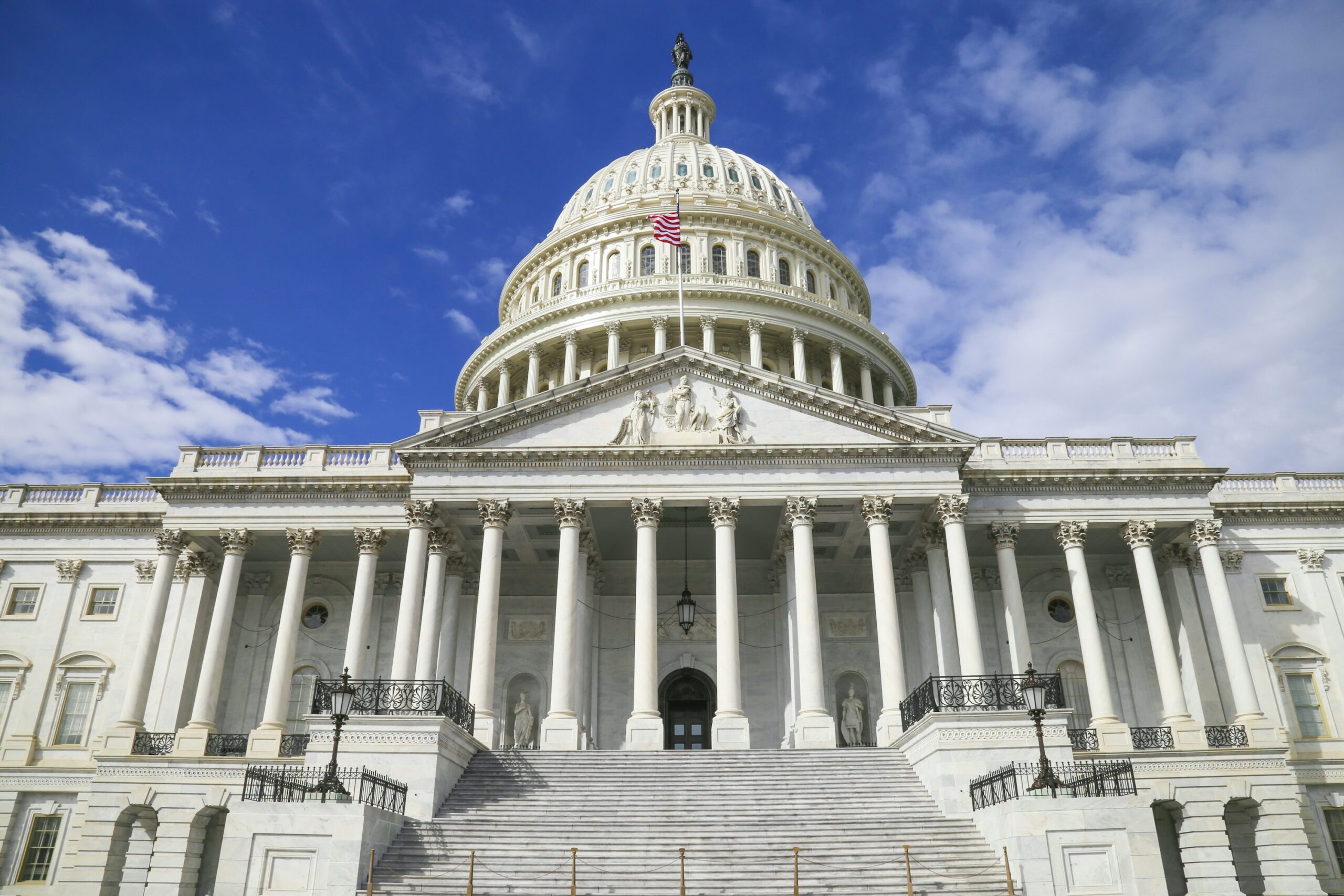
Top Senate Democrat Chuck Schumer fired back, branding it “the Republican shutdown” in a video post showing a countdown to midnight over the Capitol. “Republicans wouldn’t protect America’s health care,” Schumer said.
The shutdown, the first since the record-breaking 35-day stoppage nearly seven years ago, will not halt essential services such as the military, Social Security, food stamps, and the postal system. But according to the Congressional Budget Office, up to 750,000 federal employees could be furloughed without pay daily until the crisis is resolved.
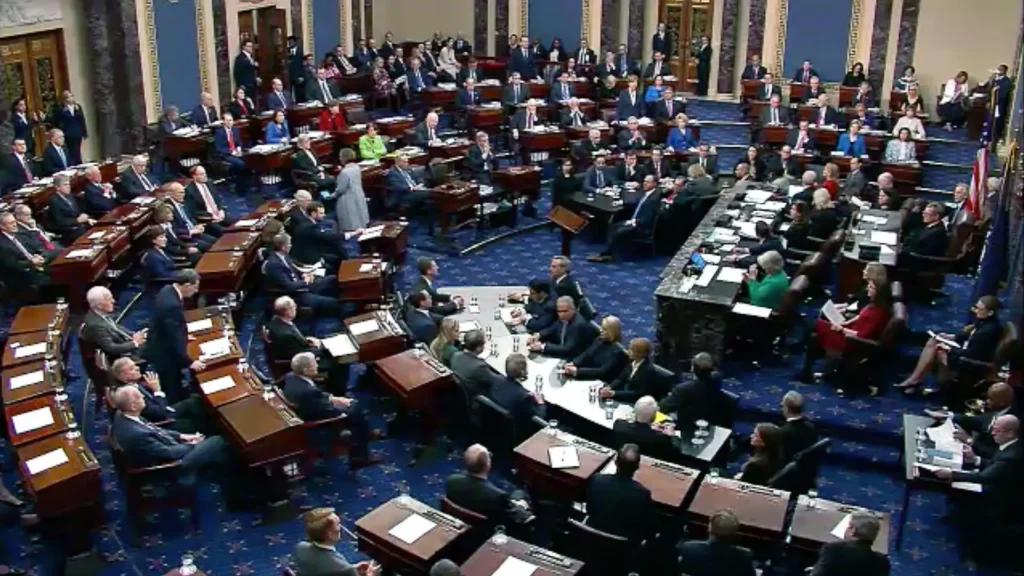
Republicans, who control the White House and both chambers of Congress, had pushed for a short-term funding extension until November. Democrats rejected it, demanding that billions in health care funding, particularly for Obamacare, be restored.
The Senate’s failure to approve a temporary resolution late Tuesday sealed the shutdown, with negotiations still deadlocked and no clear end in sight.
What you should know
This is the 22nd US government shutdown since 1976. President Donald Trump, now serving his second term, has leaned on shutdowns as a bargaining tool, arguing they can force reforms and spending cuts.
Democrats are framing this latest halt as a fight to preserve health care access for millions of low-income Americans.