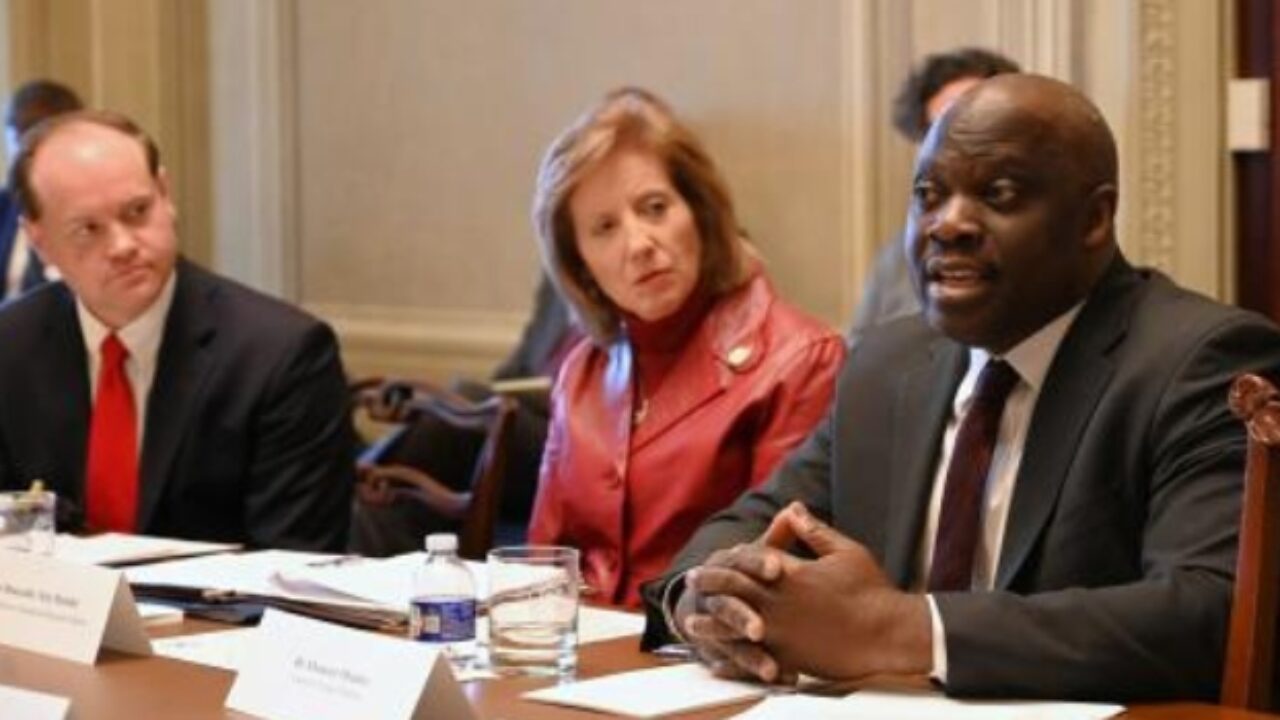
Ebenezer Obadare, the Douglas Dillon Senior Fellow for Africa Studies at the Council on Foreign Relations, has cautioned that Nigeria will not overcome its deepening insecurity unless it adopts a firm and decisive strategy aimed at neutralising Boko Haram.
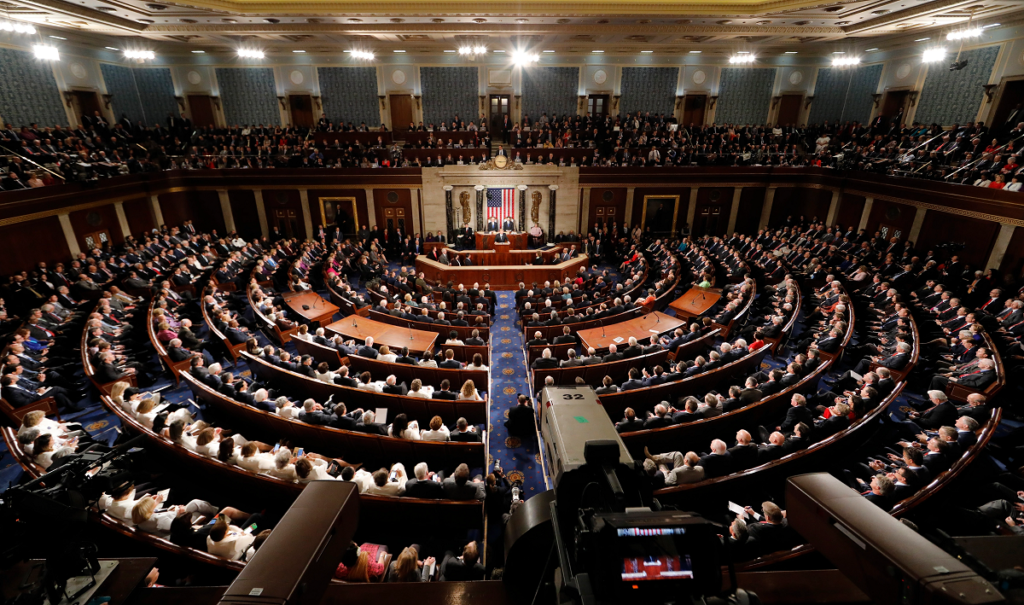
He delivered this warning during a joint congressional briefing organised by the US House Appropriations Committee and the House Foreign Affairs Committee, where lawmakers examined the growing problem of religious persecution and targeted attacks on Christians in Nigeria.
Obadare outlined a two-part policy recommendation for the United States, urging Washington to collaborate with Nigeria’s military to weaken Boko Haram while also pressuring the government to reform domestic laws. He stressed the need to make Sharia law unconstitutional in the twelve northern states that adopted it in 2000 and to disband Hisbah groups enforcing Islamic codes on non-Muslim citizens.
He told lawmakers that Nigeria’s instability is directly linked to the operations of extremist organisations, particularly Boko Haram.
According to him, Nigeria cannot address its worsening insecurity without pursuing a focused and uncompromising plan to dismantle Boko Haram. He described the sect as “the deadliest and most serious threat confronting the Nigerian state today.”
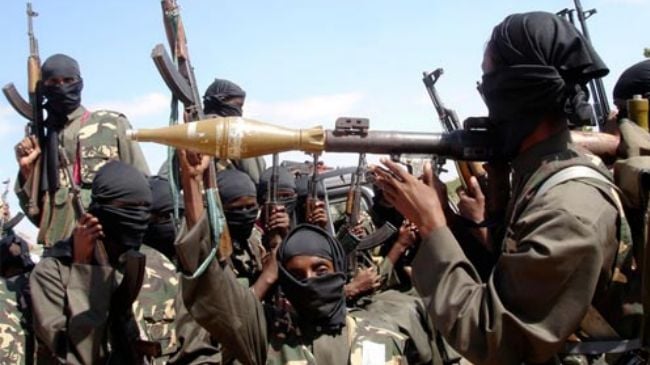
“The deadliest and most serious threat confronting the Nigerian state today is jihadist terror, perpetrated by the Islamist group Boko Haram,” he said.
“Boko Haram translates to ‘Western education is forbidden.’ Boko Haram’s barbarous and implacable campaign to overthrow the Nigerian state and establish an Islamic caliphate in its stead is the source of Nigeria’s present discontents.”
He maintained that any solution to Nigeria’s security challenges that does not prioritise the decisive weakening of Boko Haram “is a non-starter.”
Obadare also urged the United States to intensify diplomatic and strategic pressure on the Nigerian government, arguing that notable changes in Abuja’s approach to insecurity were influenced by credible international pressure.
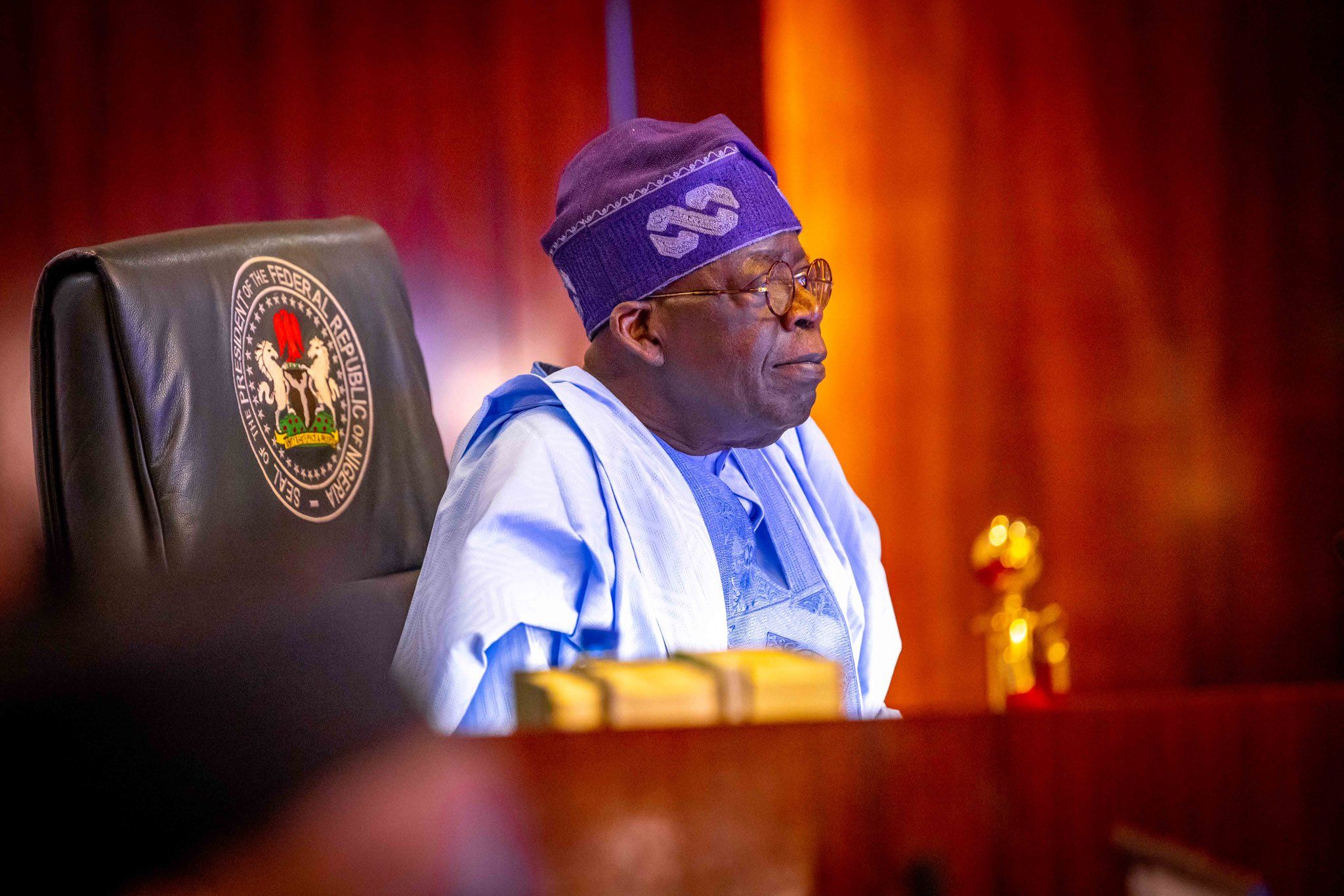
He noted that since Nigeria’s designation as a Country of Particular Concern (CPC) and President Trump’s warning of possible unilateral military action against Boko Haram, President Tinubu has taken several steps, including authorising air strikes on Boko Haram positions, approving the recruitment of 30,000 additional police officers, and declaring a national security emergency.

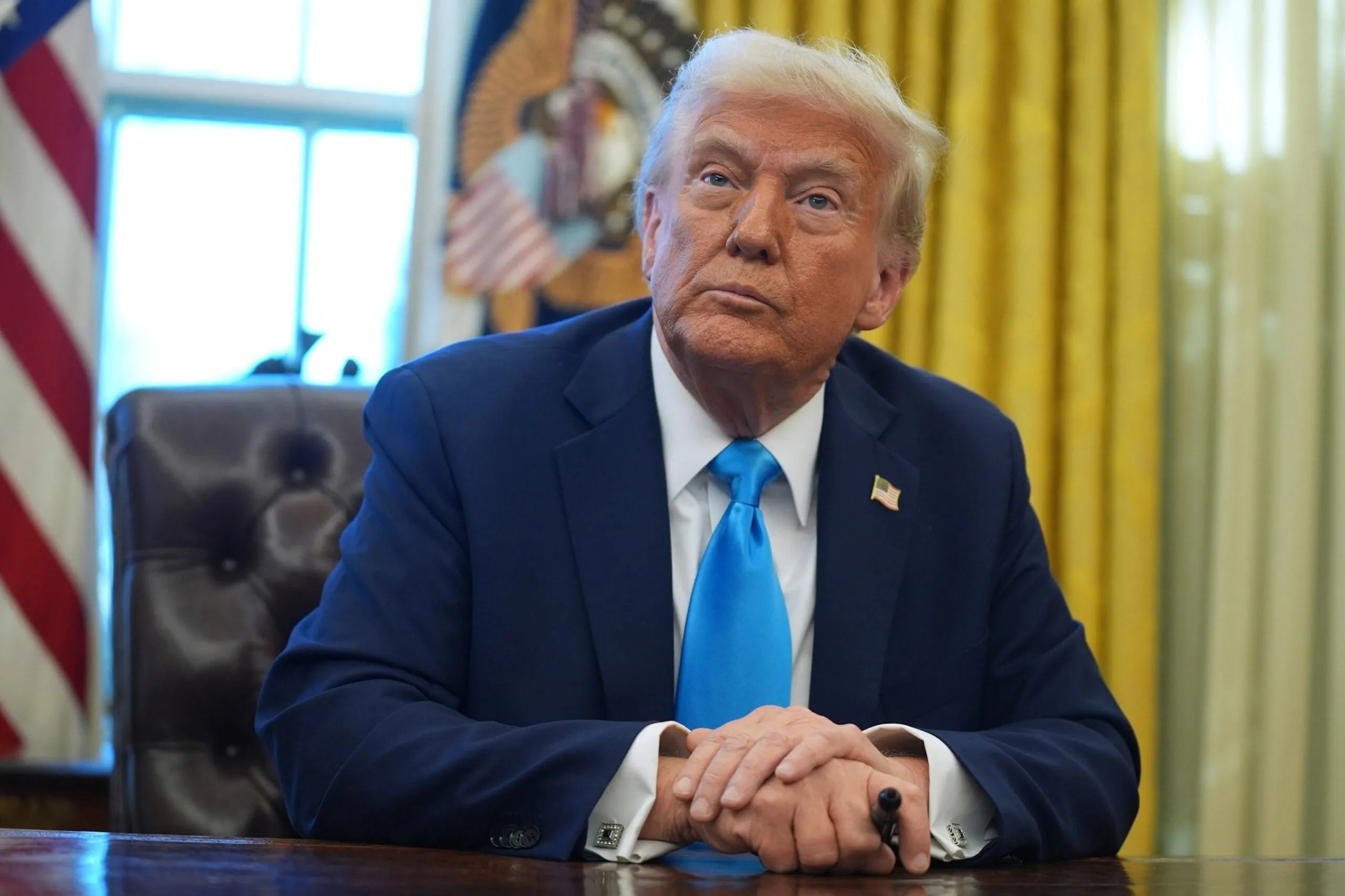
The congressional briefing was held in response to President Donald Trump’s October 31 directive mandating the House Appropriations Committee to investigate the killings of Christians in Nigeria and deliver a detailed set of recommendations to the White House.
House Appropriations Vice Chair and National Security Subcommittee Chairman Mario Díaz-Balart led the session alongside Representatives Robert Aderholt, Riley Moore, Brian Mast, and Chris Smith. Foreign policy and religious freedom experts, including Obadare, Vicky Hartzler of the US Commission on International Religious Freedom, and Sean Nelson of ADF International, offered updates and policy proposals.
The committee is finalising a comprehensive report for the President outlining how Congress can help strengthen efforts to counter religious persecution and improve security conditions in Nigeria.
What you should know
Ebenezer Obadare emphasises that Boko Haram remains the central force undermining Nigeria’s stability, arguing that any security effort excluding its decisive neutralisation cannot succeed.
He says recent government actions resulted from strong international pressure, particularly from the United States.
The congressional briefing forms part of a broader investigation ordered by President Trump to address rising persecution and insecurity in Nigeria.