The United Nations Children’s Fund (UNICEF) has expressed commendation for Nigerian mothers, revealing that over 90 percent of them actively breastfeed their children.
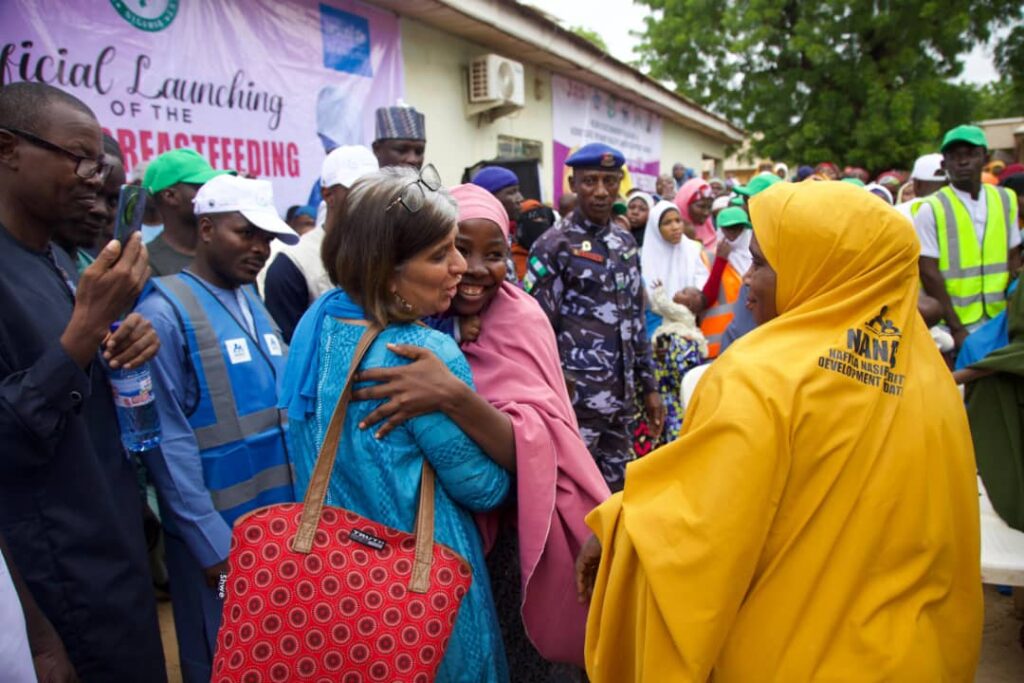
This acknowledgement was made by Nemat Hajeebhoy, Chief of Nutrition at UNICEF’s Abuja office, during the official launch of World Breastfeeding Week, which took place in Ambursa, located within the Birnin Kebbi Local Government Area of Kebbi State.
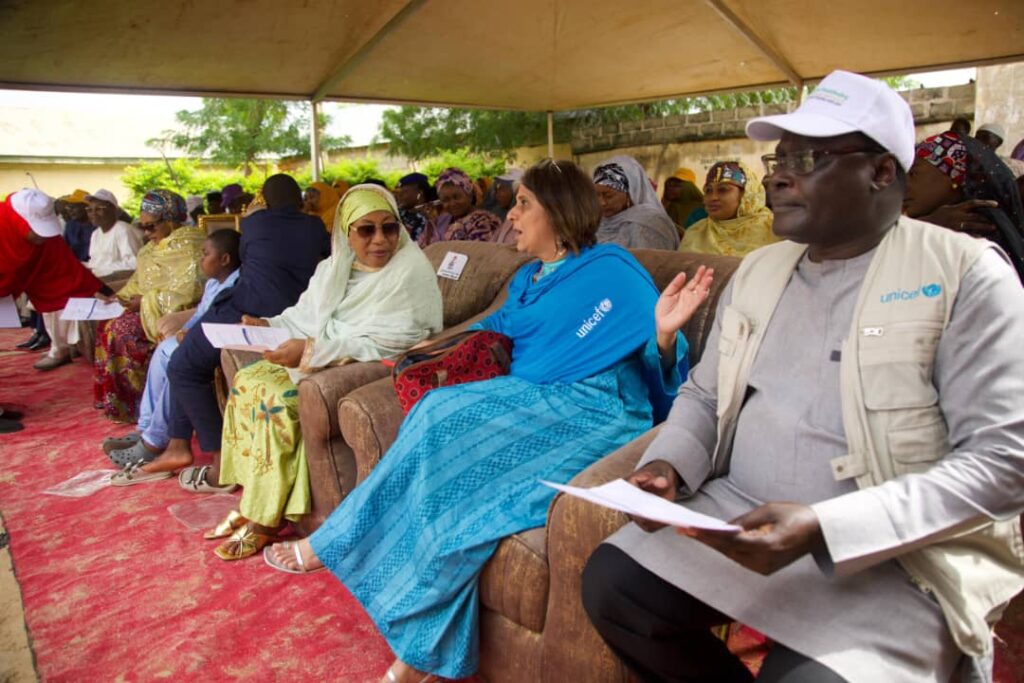
The event, organized to promote the importance of exclusive breastfeeding, gathered community members, health officials, and dignitaries with a shared goal of fostering a healthier generation. Speaking at the event, Hajeebhoy emphasized the need to prioritize mothers and infants in public health strategies.
“We are gathered here for one single mission, and that mission is to put mothers and babies first by building a sustainable support system for every mother and every child in Nigeria,” she stated.
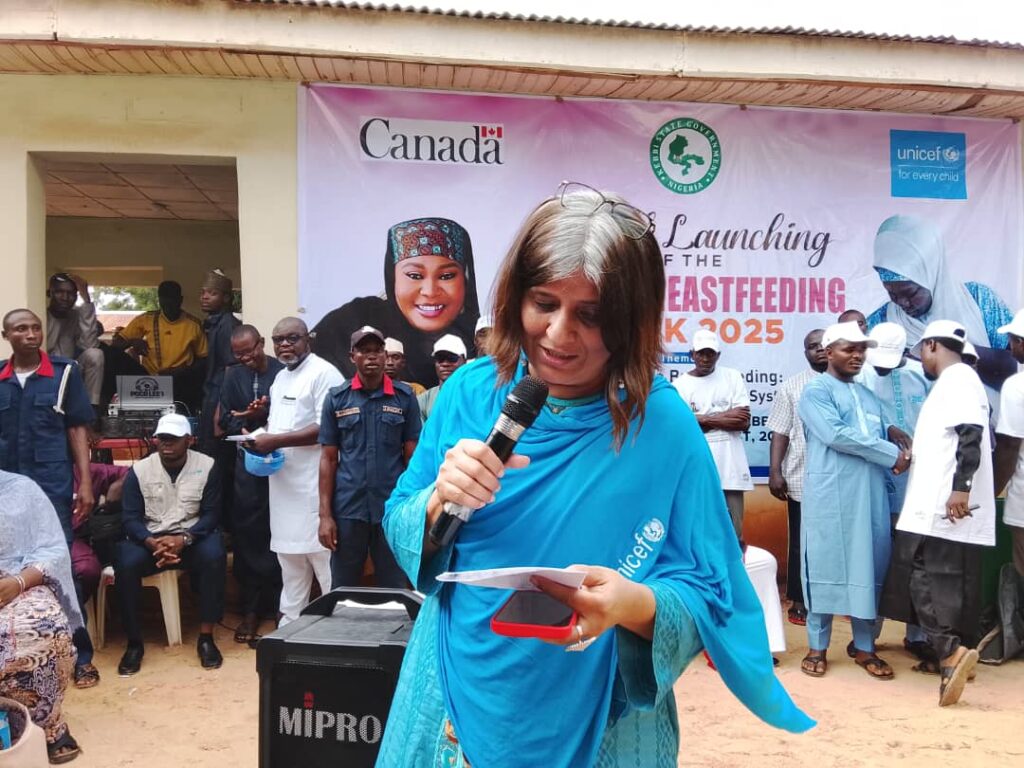
She further highlighted that breastfeeding offers more than just nutritional value. Describing it as a newborn’s first form of immunization, she noted that it plays a critical role in a child’s survival. Hajeebhoy also pointed out that the right to breastfeed is protected by the Convention on the Rights of the Child, an international agreement to which Nigeria is a signatory.
Expressing optimism, she continued: “I would like to begin by sharing good news. Thank you, mothers, for breastfeeding. Over 90 percent of Nigerian mothers breastfeed. Congratulations to the mothers.”
However, she voiced concern over recent research indicating a decline in exclusive breastfeeding practices. Exclusive breastfeeding—giving babies only breast milk for the first six months—remains a challenge for many nursing mothers. Hajeebhoy called for a collaborative effort involving communities, health workers, government institutions, and development partners to create enabling environments where mothers feel supported in choosing exclusive breastfeeding.
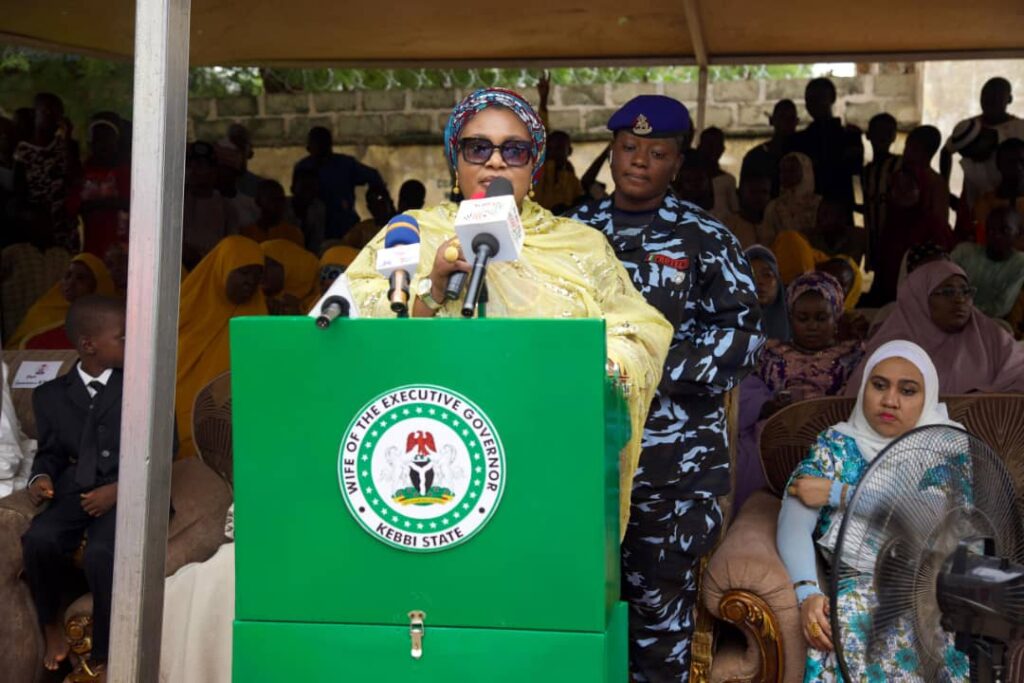
She also commended the Kebbi State Governor, Nasir Idris, for approving six months of maternity leave for civil servants in the state. She described the decision as progressive and urged other states to adopt similar policies. According to her, breastfeeding is not a luxury but an essential investment in a child’s future health and overall development.
During the event, Nafisa Nasir-Idris, wife of the Kebbi State Governor, encouraged women to adopt exclusive breastfeeding as a practice that benefits not only their babies but society at large. She outlined various advantages of breastfeeding, including enhancing a child’s cognitive ability, increasing wisdom, and supporting physical strength. She also reminded women to maintain hygiene—both personal and environmental—to protect their families from preventable diseases.
Nafisa Nasir-Idris praised her husband for giving health issues a central place in his administration’s agenda and for supporting initiatives aimed at improving maternal and child health in the state.
The Commissioner for Health in Kebbi State, Yunusa Musa Isma’il, took the opportunity to express appreciation to development agencies for their continuous support in improving the state’s health sector. He assured participants of the government’s willingness to collaborate by providing counterpart funding for key programs aimed at tackling malnutrition and other child health challenges.
In her remarks, the Commissioner for Women Affairs, Halima Hassan-Kamba, applauded the growing number of women who are adopting exclusive breastfeeding. She highlighted the positive outcomes, noting that it boosts a child’s health and intelligence, fosters a deep connection between mother and child, reduces maternal cancer risk, contributes to natural family planning, and brings emotional satisfaction to mothers.
Earlier in the event, UNICEF’s Chief of Field Office in Sokoto, Michael Juma, stressed the importance of initiating breastfeeding immediately after birth. He urged mothers to breastfeed exclusively for at least the first six months and continue alongside complementary feeding up to two years or more. He also called on policymakers to implement frameworks that make breastfeeding easier and more supported in workplaces and communities.
To encourage and appreciate mothers who practiced exclusive breastfeeding, the governor’s wife distributed care packages. Twenty mothers received gifts, including a bag of rice, children’s clothing, and ₦10,000 each. Pregnant women were also gifted bags of rice and other items. Additionally, all women present at the event were given a bag of rice as an incentive to further promote exclusive breastfeeding in the community.
What You Should Know
Although the majority of Nigerian mothers initiate breastfeeding, exclusive breastfeeding for the first six months remains a concern.
This practice is crucial for newborn immunity, development, and long-term well-being. UNICEF, alongside the Kebbi State Government, is pushing for supportive measures such as extended maternity leave, community incentives, and better policy enforcement.
These efforts aim to ensure more mothers can successfully practice exclusive breastfeeding, ultimately reducing child mortality and improving national health outcomes.