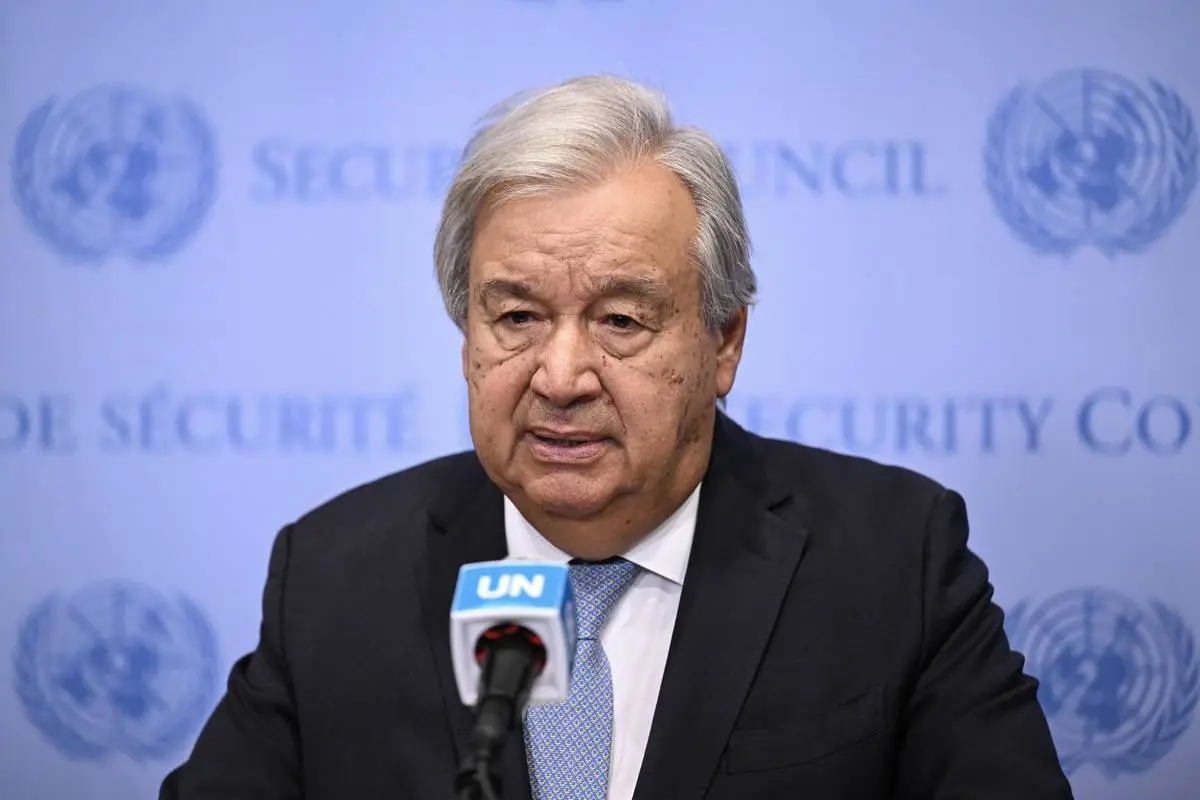
United Nations Secretary-General Antonio Guterres on Monday appealed for the protection of national sovereignty and political autonomy following the seizure of Venezuelan leader Nicolas Maduro by the United States and Washington’s declaration that it was now overseeing the country’s affairs.
Guterres stressed the need to uphold international norms, urging “respect for the principles of sovereignty, political independence and territorial integrity of states,” according to comments delivered on his behalf by Under-Secretary-General Rosemary DiCarlo during a United Nations Security Council session focused on Venezuela.
In the same remarks, the UN chief expressed grave concern about the broader implications of the unfolding situation. “I am deeply concerned about the possible intensification (of) instability in the country, the potential impact on the region, and the precedent it may set for how relations between and among states are conducted,” the statement said, pointing to fears that the episode could reshape how nations interact on the global stage.
The Security Council meeting was convened at Venezuela’s request, which was formally transmitted by Colombia, a country that has held a seat on the council since January 1.
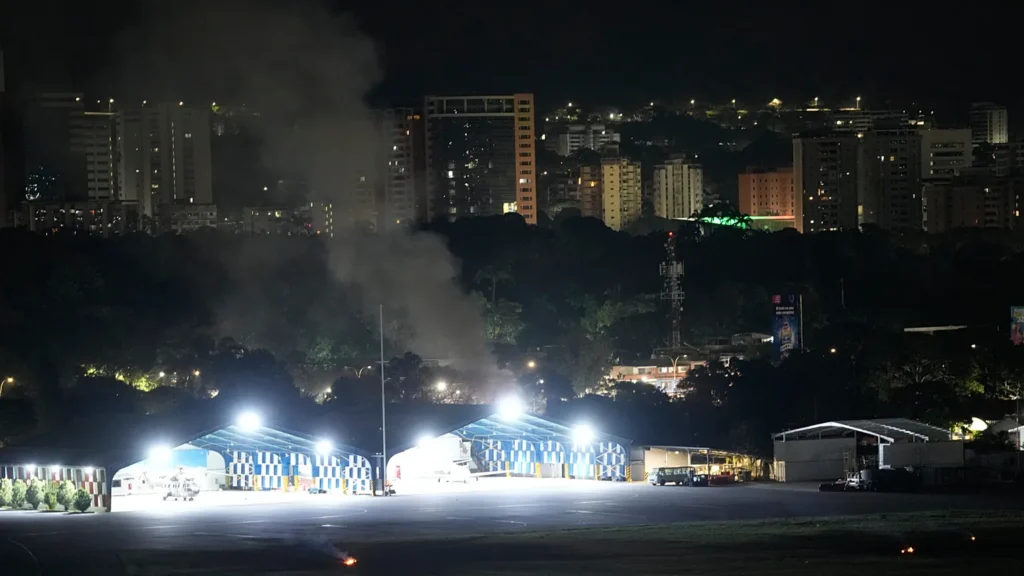
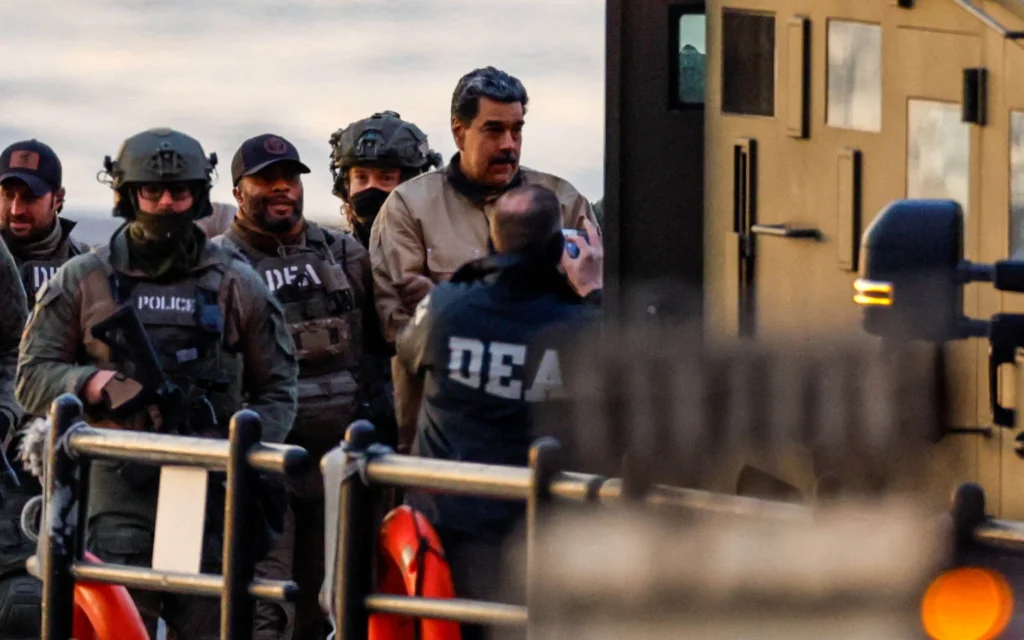
The developments followed months of escalating threats and diplomatic pressure, culminating on Saturday when US forces carried out airstrikes on Venezuela and removed Maduro from power in a sweeping military operation.
The action brought to an end more than a decade of increasingly authoritarian governance by the left-wing leader, who had been the subject of a $50 million bounty issued by US authorities.

Now in American custody, Maduro appeared at a New York court on Monday, where he is set to face narcotrafficking charges alongside his wife, Cilia Flores, marking a dramatic turn in Venezuela’s long-running political crisis.
What you should know
The UN’s response underscores growing international unease over the US intervention in Venezuela and its wider consequences.
By emphasizing sovereignty and territorial integrity, Antonio Guterres is signaling concern that the operation could weaken established norms governing relations between states.
The case also places renewed focus on the role of the UN Security Council in managing global crises, particularly when military action against a sitting government risks regional instability and sets far-reaching diplomatic precedents.