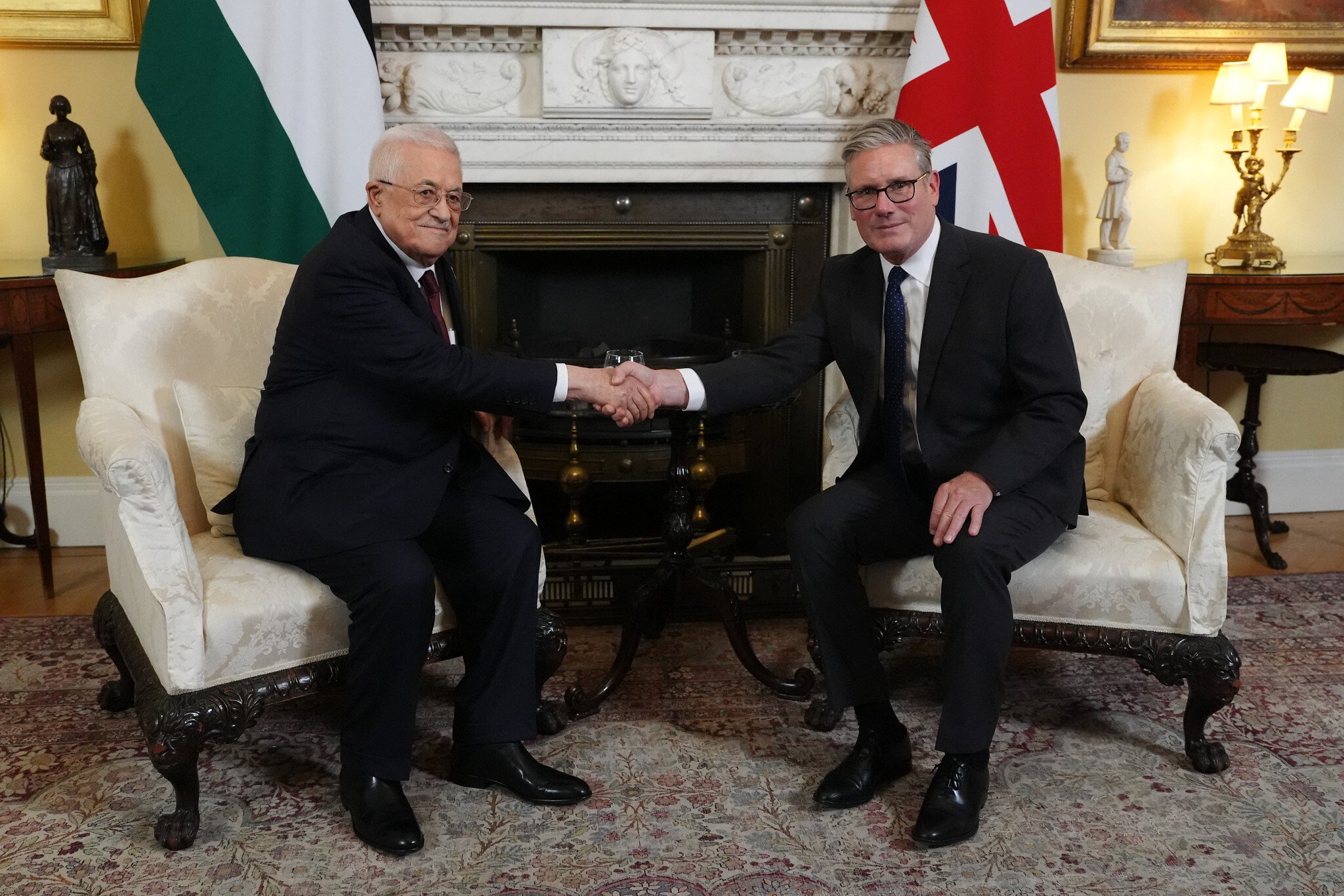
Britain, Australia, and Canada on Sunday formally recognised the State of Palestine, marking a historic turning point in Western foreign policy and intensifying tensions with Israel.
Portugal also announced it would follow suit later in the day, further isolating Israel as international pressure mounts over the Gaza war.
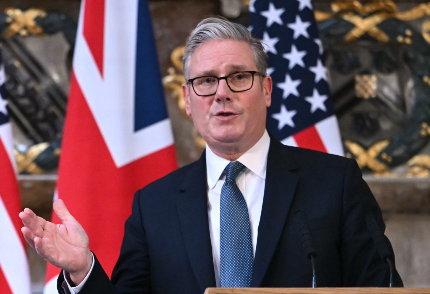
UK Prime Minister Keir Starmer said the recognition aimed to “revive the hope of peace” and keep alive the two-state solution. Canada’s Prime Minister Mark Carney echoed the sentiment, pledging support for both Israel and Palestine in building a peaceful future.
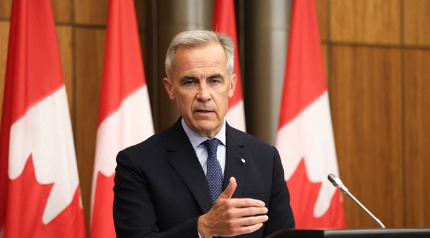
The decision makes Britain and Canada the first G7 members to recognise Palestine, with France and other nations expected to announce similar moves during the UN General Assembly in New York.
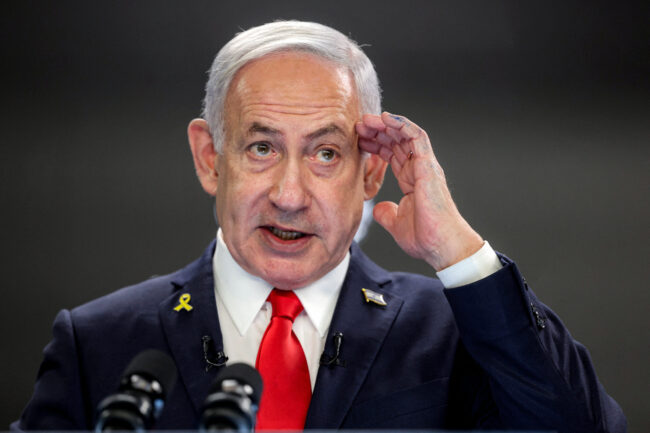
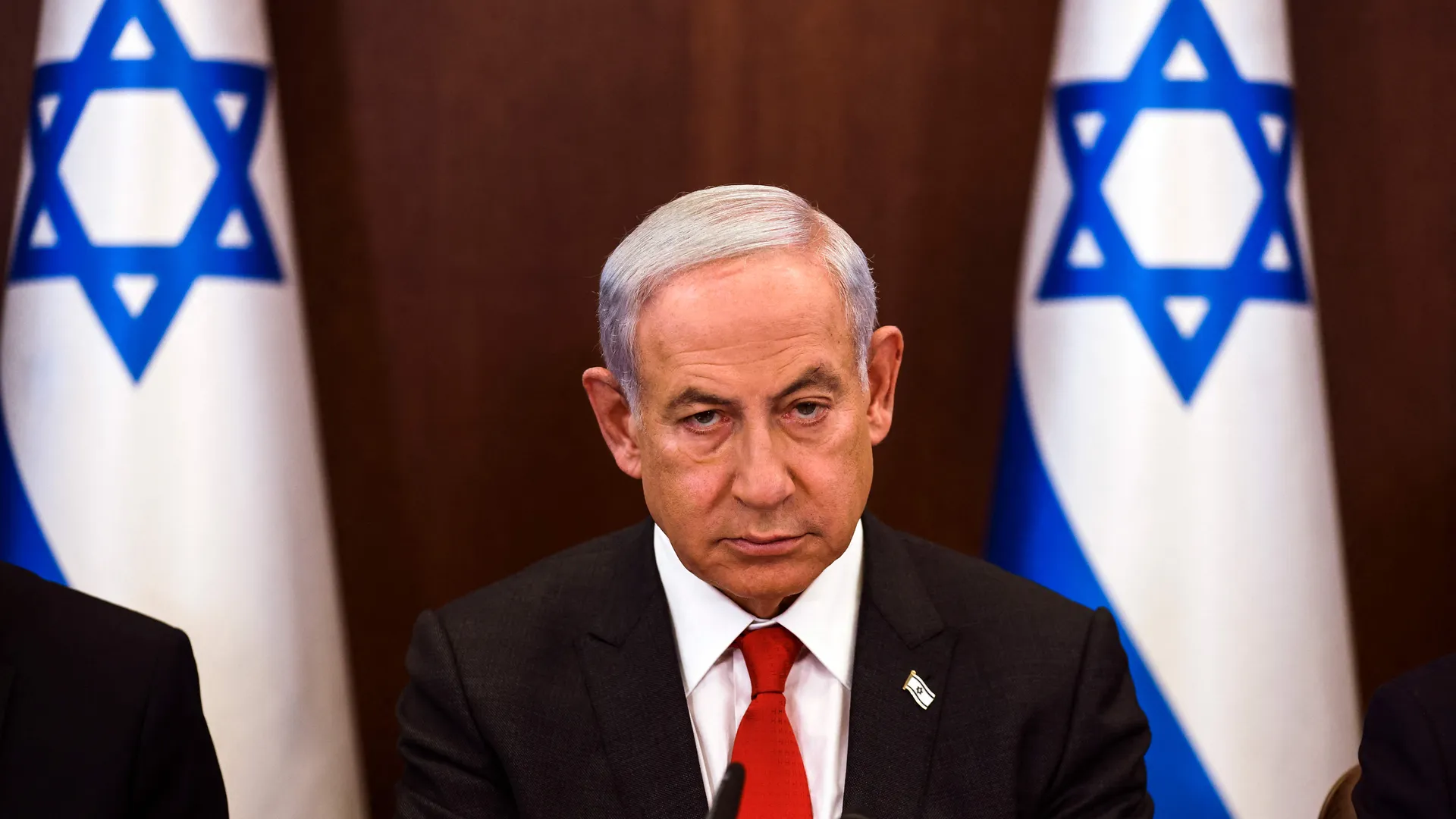
Israeli Prime Minister Benjamin Netanyahu strongly condemned the recognitions, calling them “an absurd reward for terrorism” and vowing to oppose them at the UN.
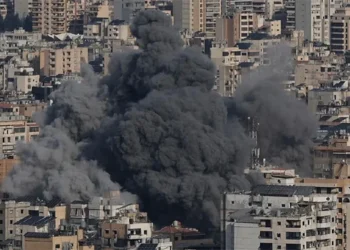
The move comes amid a worsening humanitarian crisis in Gaza, where nearly two years of conflict since the October 7, 2023, Hamas attack have left tens of thousands dead, vast areas destroyed, and millions facing food shortages.
While critics argue recognition will not immediately end the suffering or free Israeli hostages, proponents say it sends a strong political message in support of Palestinian statehood and pressures Israel to negotiate.
What you should know
The recognition of Palestine by Britain, Canada, and Australia is the most significant diplomatic shift in decades regarding the Israeli-Palestinian conflict.
It represents growing frustration with Israel’s war strategy in Gaza and signals a realignment among Western allies, potentially reshaping future peace negotiations and deepening divisions with the United States and Israel.