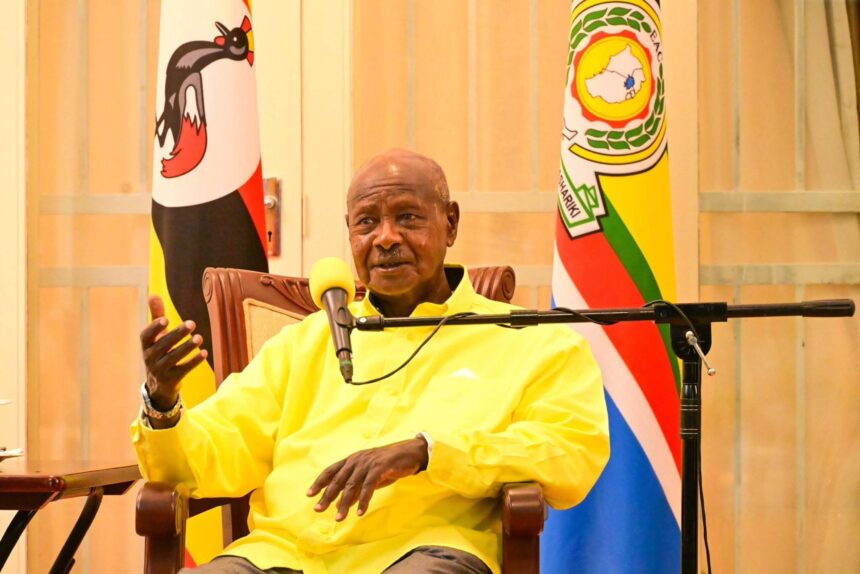
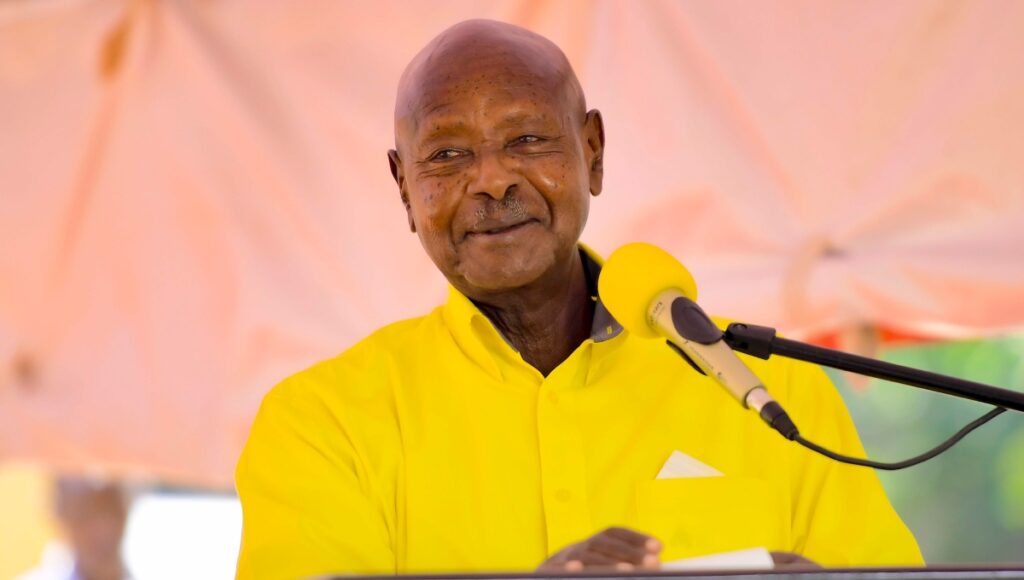
Uganda’s long-serving President Yoweri Museveni, who has just clinched a seventh term in office at the age of 81, declared on Sunday that opposition figures were “terrorists” who sought to overturn the election outcome through violence.
His remarks followed the release of official results from Thursday’s presidential poll, which credited Museveni with a decisive victory of 72 per cent.
Despite the margin, the election drew criticism from African observer missions and human rights organisations, citing widespread repression of opposition groups and a sweeping internet shutdown during the voting period.
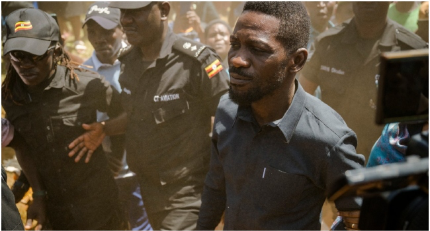
Uncertainty continued to surround the location of leading opposition candidate Bobi Wine, whose real name is Robert Kyagulanyi. Wine, who was reported to have secured 25 per cent of the vote, said on Saturday that he had evaded a police raid on his residence and gone into hiding.
Police authorities disputed the claim, insisting that no raid took place and that Wine remained at home, although journalists were prevented from getting close to the property. Since Saturday, Wine has not posted on X, where he last condemned what he described as the “blatant theft of the presidential election”.
Speaking during his victory address on Sunday, Museveni accused Wine’s political platform, the National Unity Platform, of plotting attacks on polling units in areas where they were losing support. “Some of the opposition are wrong and also terrorists,” Museveni said, referencing groups he alleged were collaborating with foreign actors and “some homosexual groups”. He added a stern warning, stating: “All the traitors — this is free advice from me — stop everything, because we know what you are doing and you will not do it.”
Although partial internet access was restored late on Saturday, authorities announced that restrictions on social media platforms would remain in force indefinitely.
The government had cut off internet services two days before the election, arguing that the move was required to curb “misinformation” and “incitement to violence”. Since the announcement of results, Uganda has largely remained calm, despite isolated demonstrations on Saturday night.
Journalists from AFP reported the use of tear gas in parts of Kampala, though by Sunday, the security presence had eased, shops reopened and residents resumed normal activities.
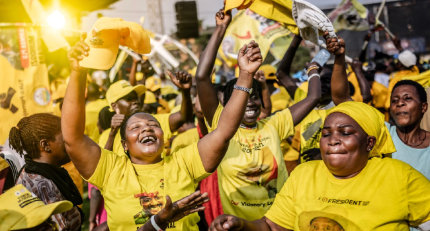
Political analysts have suggested that the election outcome was largely predictable, pointing to Museveni’s firm grip on state institutions and the security sector. Nevertheless, he continues to enjoy support among sections of the population who credit him with restoring stability and economic growth.
Determined to avoid unrest similar to the violence witnessed during neighbouring Tanzania’s elections in October, the government maintained a heavy security posture throughout the voting period.
The most severe accounts of election-day violence emerged from Butambala in central Uganda, where an opposition legislator told AFP that security forces had killed at least 10 people at his residence.
Museveni aligned himself with the police version of events, claiming the deaths occurred during a foiled assault on a ballot collation centre and a nearby police station. He further alleged that the NUP had intended to stage coordinated attacks “everywhere”.
Human Rights Watch accused the Ugandan authorities of engaging in “brutal repression” of opposition figures in the lead-up to the vote.
Another prominent opposition voice, Kizza Besigye, who challenged Museveni in four previous elections, was abducted in Kenya in 2024 and later returned to Uganda, where he is currently facing trial for treason before a military court.
African election observers, including a delegation from the African Union, said on Saturday that “reports of intimidation, arrest and abductions” had “instilled fear and eroded public trust in the electoral process”.
What you should know
President Museveni’s post-election remarks and the continued restrictions on opposition activities have intensified concerns about Uganda’s democratic space.
While the government insists the measures were necessary to maintain security and prevent violence, observers and rights groups argue they undermined the credibility of the vote. The disputed whereabouts of Bobi Wine, reports of killings on election day, and allegations of intimidation highlight persistent tensions between the ruling establishment and opposition forces.
These developments suggest that although the election has concluded, political uncertainty and scrutiny of Uganda’s governance and human rights record are likely to continue.