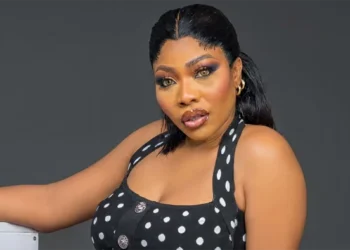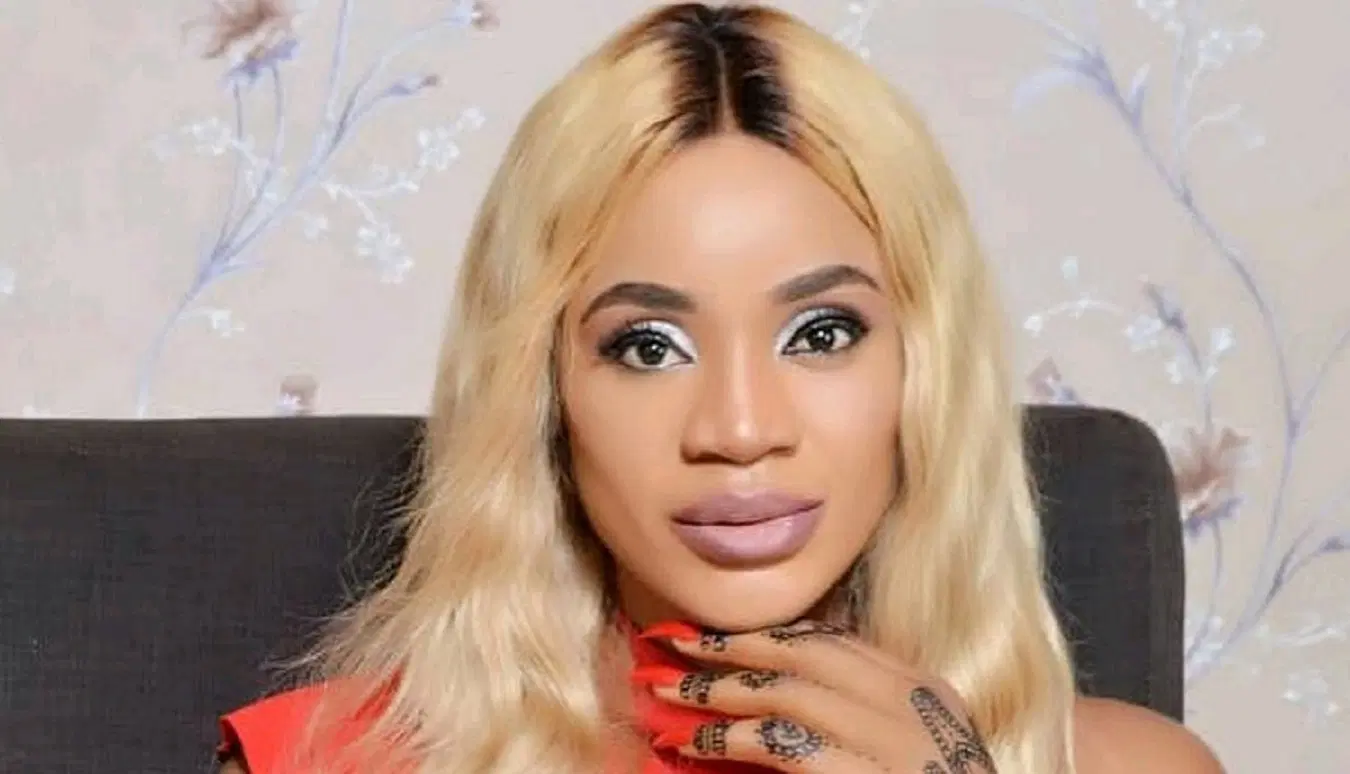
In an era where body positivity and mental health awareness are gaining unprecedented attention, Nollywood actress Uche Ogbodo has made headlines by candidly discussing her decision to undergo cosmetic enhancement surgery—a choice she says was driven entirely by her personal struggle with post-childbirth body image.
The mother of three, known for her roles in numerous Nigerian films, broke her silence in a recent interview with Saturday Beats, offering a rare glimpse into the psychological challenges many women face after childbirth, particularly those in the public eye.
Ogbodo’s revelation centers on a deeply personal journey that began after welcoming her third child. Despite being “naturally busty,” the actress found herself grappling with changes to her figure that left her feeling disconnected from her own body.
“I didn’t have an hourglass shape. Starting to have babies didn’t help matters for me,” Ogbodo explained with striking honesty. “I didn’t like what I saw when I looked at myself after my third child. I felt I owed it to myself to be happy and confident.”
The actress emphasized that her decision was entirely self-motivated, stating firmly, “The surgery wasn’t for anyone else but for me, for my mental health to feel good, okay, and enough. I am enough competition for myself.”
This perspective highlights a growing conversation around women’s autonomy over their bodies and the importance of mental health in decision-making processes, particularly for public figures who face constant scrutiny.
What sets Ogbodo’s approach apart is her deliberate choice to be transparent about her transformation—a decision that challenges the often secretive nature of cosmetic procedures among celebrities.
“In this country, people, especially celebrities, are often not honest,” she observed. “You’re a role model, yet you lie to those who genuinely love you. Many undergo procedures, disappear, and then return with new bodies without admitting they worked on themselves.”
Her pointed question—”Why hide it when you can inspire other women with your story?”—speaks to a broader issue within the entertainment industry, where celebrities often present unrealistic standards without acknowledging the interventions that helped achieve their appearance.
The actress revealed that her husband provided unwavering support throughout her journey, demonstrating understanding of her body image struggles and the importance of her feeling confident. This support system appears to have been crucial in her decision-making process and subsequent openness about the procedure.
Ogbodo’s transparency extends beyond personal relief to a mission of empowerment. She explained that her openness is designed to encourage women who struggle with self-esteem issues, using her own experiences as a source of hope and inspiration.
This revelation comes at a time when the Nigerian entertainment industry, like many others globally, is facing increased scrutiny over beauty standards and the pressure placed on public figures to maintain certain appearances. Ogbodo’s approach suggests a potential shift toward more honest conversations about the realities of maintaining a public image.
Her decision to speak openly also raises important questions about the responsibility of celebrities as role models and the impact of their choices on their fan base, particularly young women who look up to them.
As conversations around body autonomy, mental health, and celebrity responsibility continue to evolve, Ogbodo’s candid approach may well inspire other public figures to embrace similar transparency, potentially fostering more realistic and healthy discussions about beauty, self-image, and personal choice in the public sphere.
The actress’s story ultimately reflects a broader narrative about women’s right to make decisions about their own bodies while challenging the culture of secrecy that often surrounds such choices in the entertainment industry.
WHAT YOU SHOULD KNOW
Nollywood actress Uche Ogbodo’s public disclosure about her cosmetic surgery represents a significant shift toward celebrity transparency in Nigeria’s entertainment industry. Her decision was purely personal—driven by post-childbirth body image struggles and mental health needs—not external pressure.
Her deliberate choice to be honest about the procedure challenges the common practice where celebrities undergo cosmetic enhancements but deny it, creating unrealistic beauty standards for their fans. By speaking openly, Ogbodo advocates for authentic role modeling and uses her experience to inspire other women struggling with self-esteem issues.