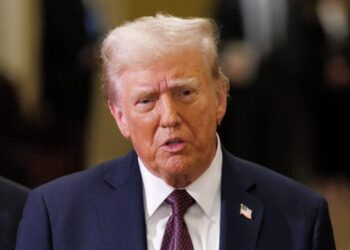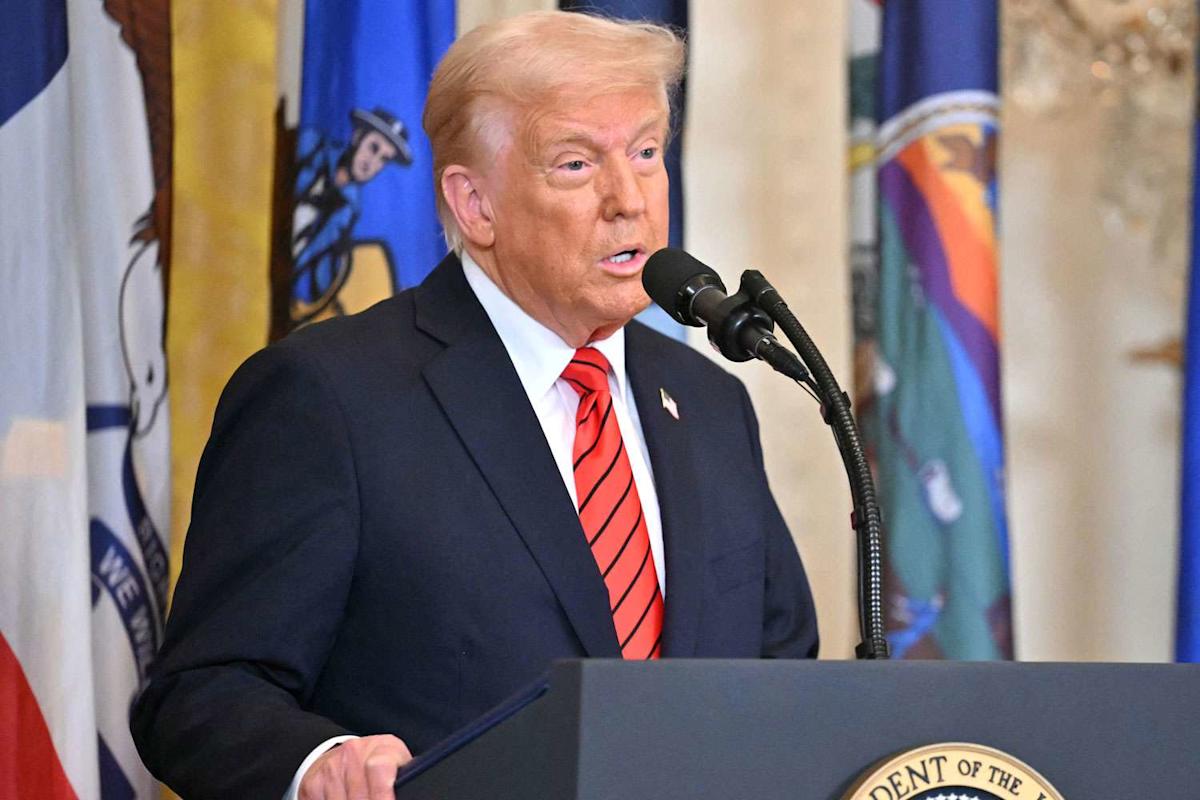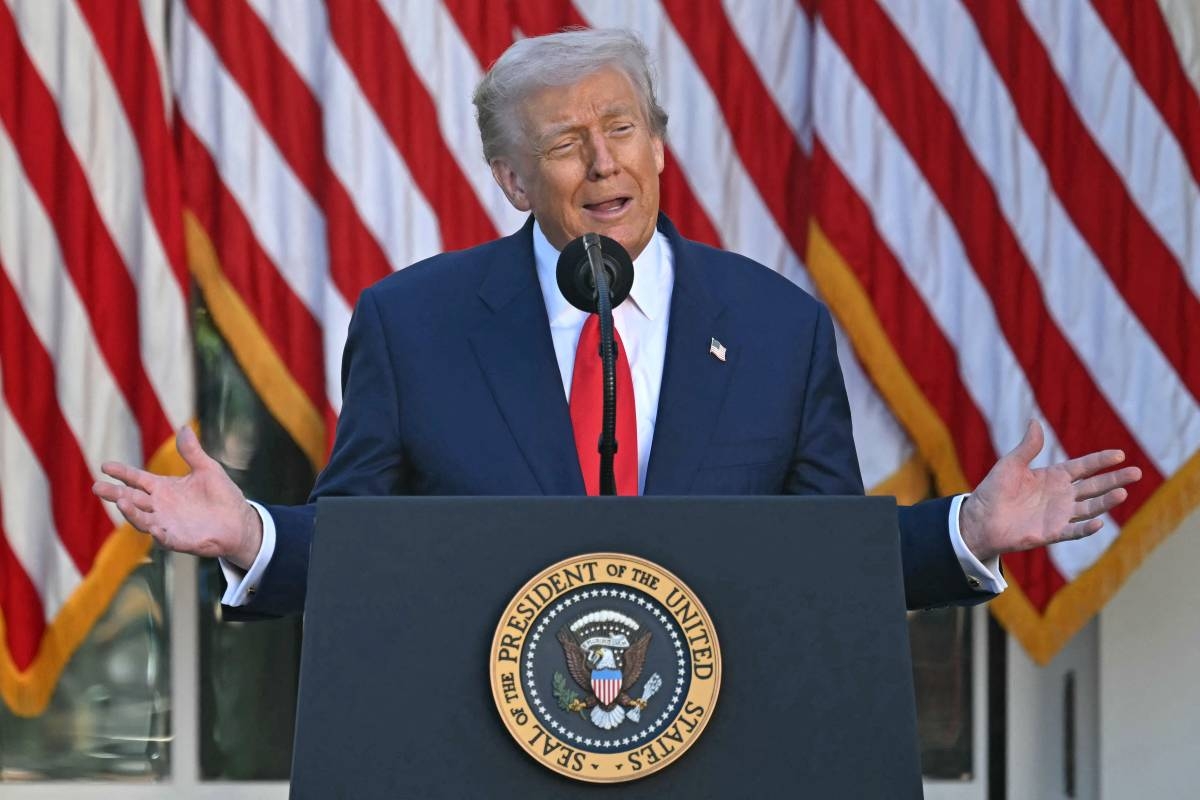
President Donald Trump has warned that the United States may carry out additional military strikes in Nigeria if attacks against Christians continue.
The warning was issued during an interview with The New York Times, where Trump was asked whether the Christmas Day missile strikes on Islamic State targets marked the beginning of a broader military campaign.
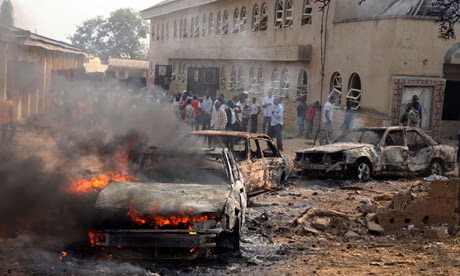
The airstrikes were carried out about a month after Trump threatened to deploy American troops to Nigeria, stating that they would go in “guns-a-blazing to wipe out the terrorists killing our cherished Christians,” amid repeated claims by some US politicians that Christians were facing genocide in the West African nation.
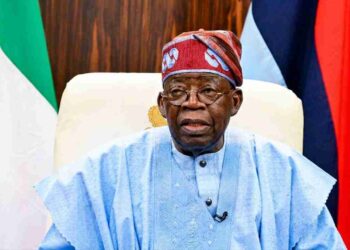
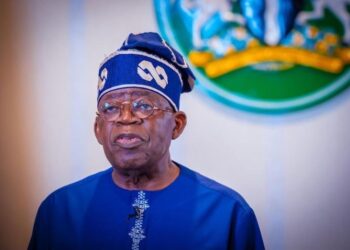
Nigeria, however, retained authority over key decisions linked to the single operation, according to Ademola Oshodi, Senior Special Assistant to President Bola Tinubu on Foreign Affairs and Protocol.
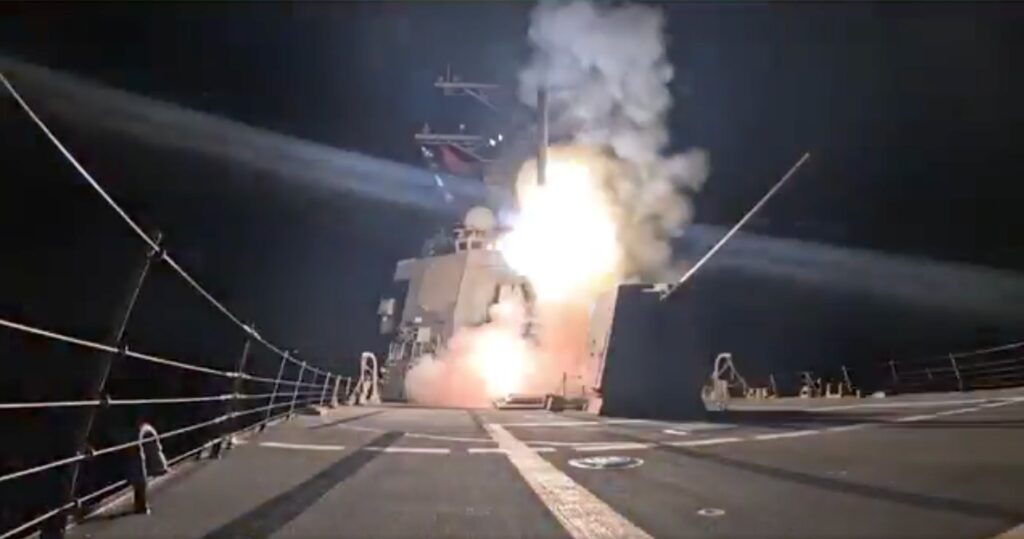
After the strikes, Trump suggested that further action remained possible and repeated that position in the New York Times interview published on Thursday.
“I’d love to make it a one-time strike,” he said. “But if they continue to kill Christians it will be a many-time strike.”
The Nigerian government has consistently rejected claims that Christians are being deliberately targeted for killings.
In October, Trump’s senior adviser on Arab and African affairs, Massad Boulos, said extremist groups such as Boko Haram and ISIS had killed more Muslims than Christians in Nigeria.
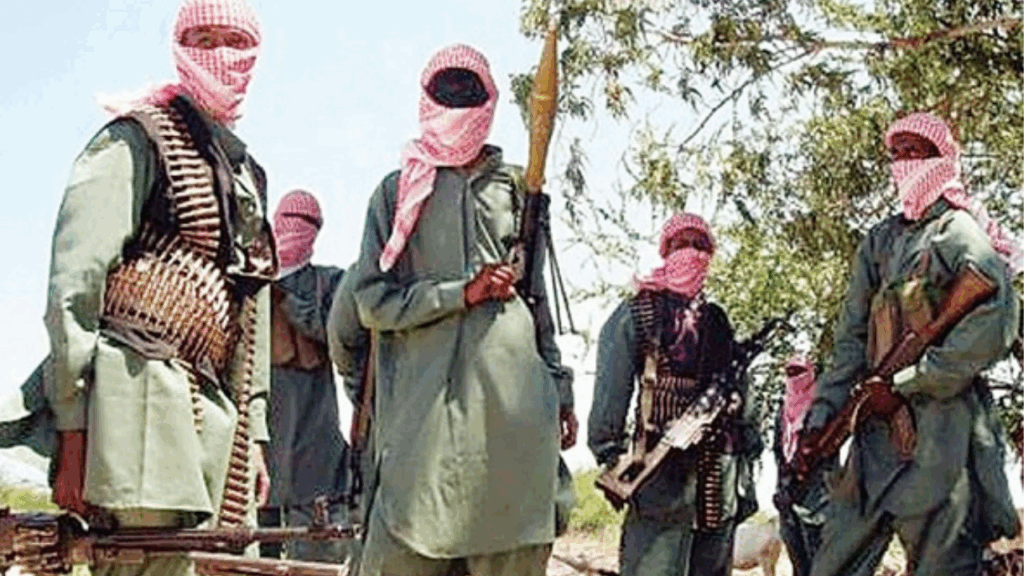
When questioned about his adviser’s statement, Trump replied, “I think that Muslims are being killed also in Nigeria. But it’s mostly Christians.”
What you should know
Security challenges in Nigeria have long drawn international attention, particularly due to violence linked to extremist groups such as Boko Haram and Islamic State affiliates.
While some foreign politicians frame the crisis as targeted attacks on Christians, Nigerian authorities insist the violence affects multiple religious and ethnic communities.
The issue has become increasingly sensitive in US–Nigeria relations, especially following direct US military action and public warnings from President Trump.
Nigeria maintains that it remains in control of its security decisions and continues to dispute narratives suggesting religious genocide, arguing that the conflict is complex and not limited to one faith group.