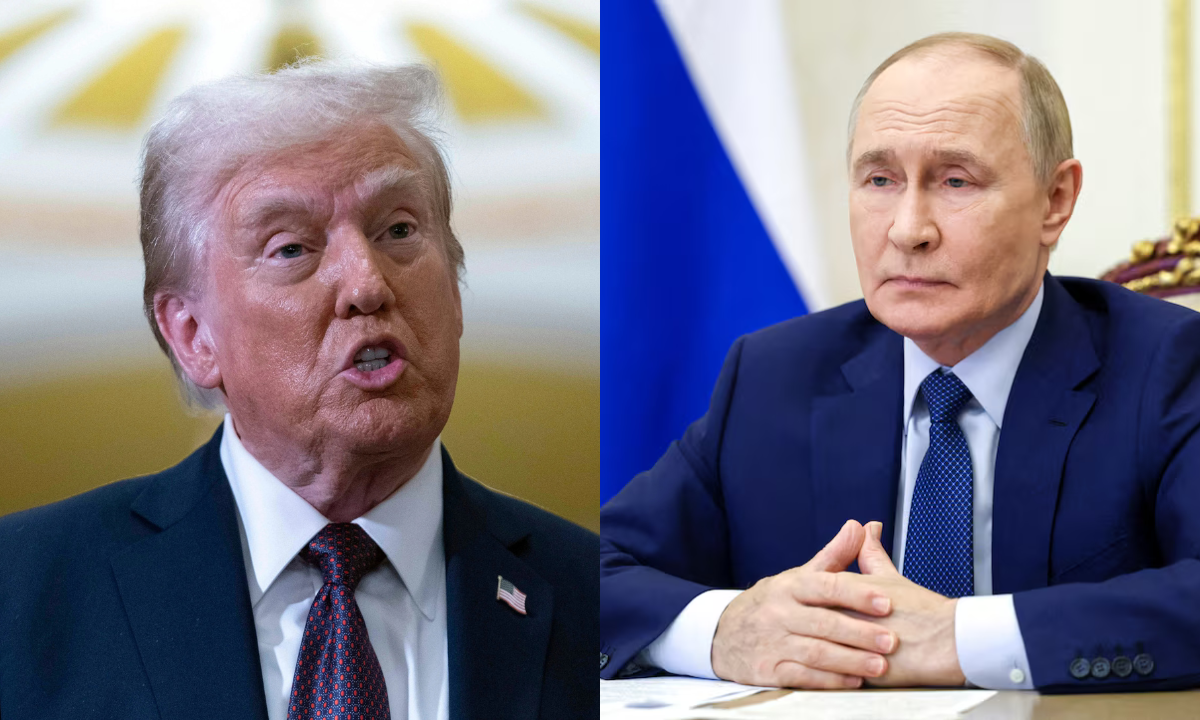
Donald Trump has said he believes Vladimir Putin may be providing limited assistance to Iran amid the ongoing war involving the United States and Israel.
Speaking in an interview with Fox News Radio aired on Friday, Trump suggested Moscow could be supporting Tehran during the conflict while also noting the geopolitical tensions surrounding the war in Ukraine.

“I think he might be helping him a little bit, yeah, I guess. And he probably thinks we’re helping Ukraine, right?” Trump said.
Several American media reports have claimed that Russia may have supplied targeting intelligence to Iran that could be used in attacks against US forces operating in the region.
Trump’s remarks came as Pete Hegseth disclosed that the United States and Israel had already struck more than 15,000 targets since launching a major air campaign against Iran on February 28.
“Between our air force and that of the Israelis, over 15,000 enemy targets have been struck. That’s well over 1,000 a day,” Hegseth told reporters, adding that Friday was expected to record the largest number of strikes since the campaign began.
According to the US defence chief, the sustained attacks have significantly weakened Iran’s ability to launch retaliatory strikes.
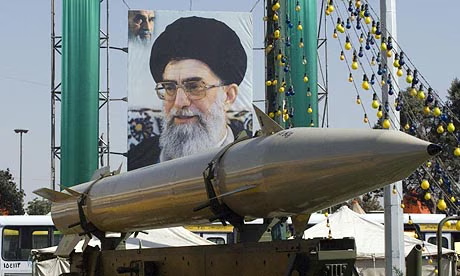
Iran’s “missiles, their missile launchers and drones (are) being destroyed or shot out of the sky,” he said, adding that the frequency of missile attacks had dropped by about 90 percent, while drone strikes had declined by roughly 95 percent.
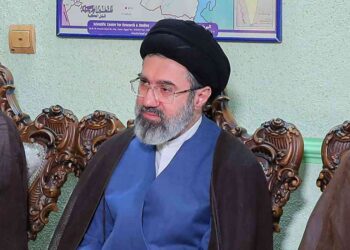
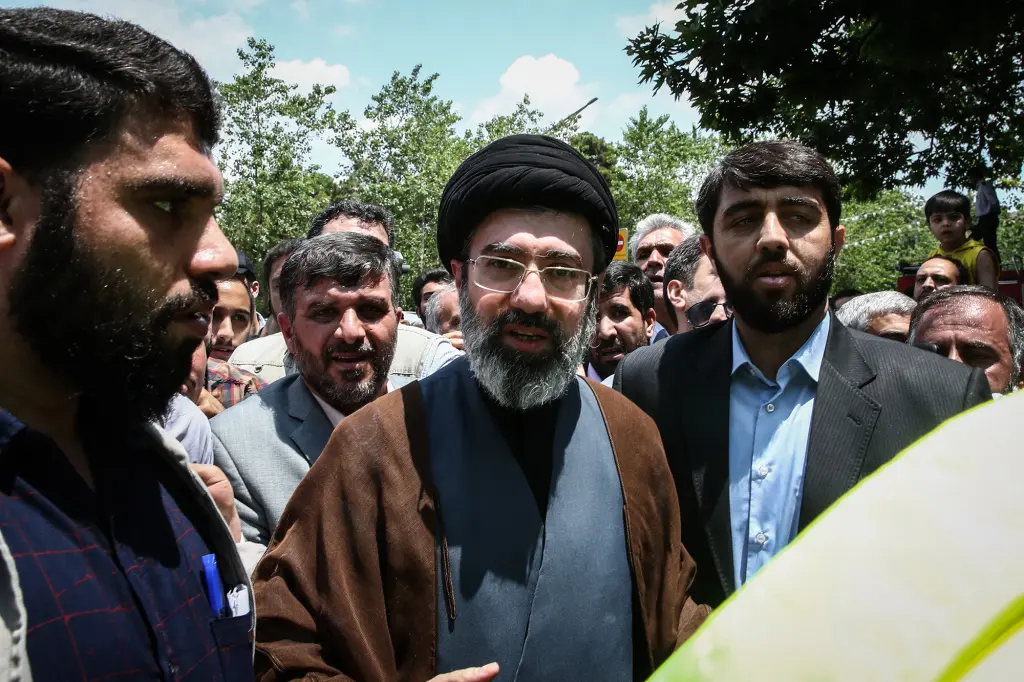
Hegseth also claimed that Iran’s new supreme leader, Mojtaba Khamenei, was “wounded and likely disfigured” following the February 28 strike that killed his father, Ali Khamenei.
Iranian authorities have confirmed that the younger Khamenei was injured during the attack but have not released further details, and he has not appeared publicly since taking over the country’s highest leadership position.
The conflict has also unsettled global energy markets after the Islamic Revolutionary Guard Corps effectively closed the Strait of Hormuz, a narrow waterway through which roughly one-fifth of the world’s oil supply normally passes.
Oil prices surged above $100 per barrel earlier in the week, while international stock markets experienced volatility amid fears that the disruption could persist.
However, Hegseth dismissed concerns that the situation in the strategic shipping corridor would become a long-term crisis.
“They are exercising sheer desperation in the Straits of Hormuz, something we’re dealing with, we have been dealing with it, and don’t need to worry about it,” he said.
Iranian officials have vowed to maintain pressure on maritime traffic in the area and warned that the conflict could escalate further if attacks against the country continue.
What you should know
The Strait of Hormuz is one of the most critical energy corridors in the world.
Around 20 percent of global oil shipments typically pass through the narrow waterway connecting the Persian Gulf to the Gulf of Oman.
Any disruption in the strait often triggers sharp movements in global oil prices and raises concerns about energy supply, shipping security and economic stability worldwide.