
President Donald Trump on Thursday filed a lawsuit against the United States Internal Revenue Service (IRS), demanding $10 billion in damages over what he described as the unlawful leakage of his tax returns, an act he claims caused serious harm to his business interests.
The suit, filed in a Miami federal court, was brought by Trump in his personal capacity alongside his two eldest sons, Eric Trump and Donald Trump Jr., as well as their family business, The Trump Organization.
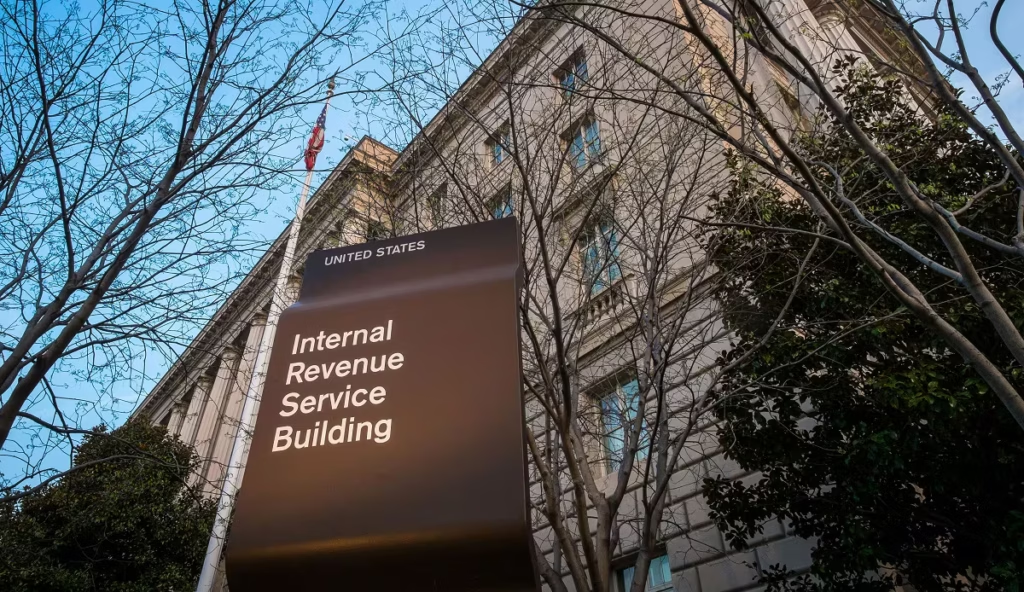
According to the filing, the IRS and the US Treasury Department “had a duty to safeguard and protect Plaintiffs’ confidential tax returns.”
Trump’s tax filings became a subject of intense public debate during his first term in office after he departed from long-standing political tradition by refusing to release them while running for president.
The lawsuit stated that the tax documents were leaked to the media by Charles “Chaz” Littlejohn, a former IRS employee who worked at the agency between May 2019 and September 2020.

“Defendants have caused Plaintiffs’ reputational and financial harm, public embarrassment, unfairly tarnished their business reputations, portrayed them in a false light, and negatively affected President Trump, and the other Plaintiffs’ public standing,” the filing said.
Littlejohn pleaded guilty in 2023 to releasing Trump’s tax information and is currently serving a five-year prison sentence.
In September 2020, The New York Times reported that Trump paid just $750 in federal income taxes in both 2016 and 2017, and paid no federal income tax at all in 10 of the previous 15 years, revelations that followed years of his refusal to make the records public.
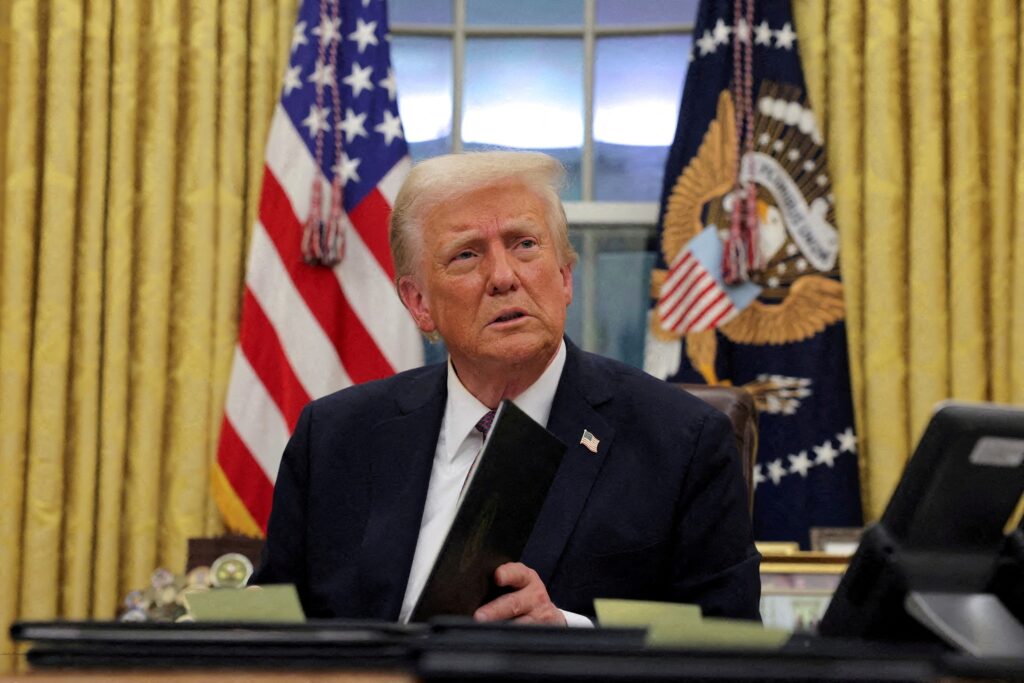
The lawsuit is not the first legal action Trump has taken against parts of the federal government under his leadership.
According to The New York Times, Trump previously sought $230 million in damages from the US Department of Justice over investigations into his handling of classified documents and alleged efforts to overturn the outcome of the 2020 presidential election.
What you should know
Donald Trump’s tax returns have long been a flashpoint in American politics, symbolising broader debates about transparency, accountability and the power of federal institutions.
The latest lawsuit underscores Trump’s long-standing claims that government agencies were weaponised against him during and after his first term in office.
While the individual responsible for leaking the tax documents has already been convicted and jailed, Trump’s legal action seeks to shift focus to institutional responsibility, arguing that systemic failures within the IRS and Treasury Department enabled the breach and caused lasting financial and reputational damage.