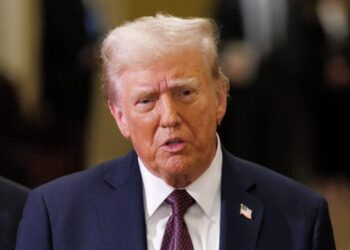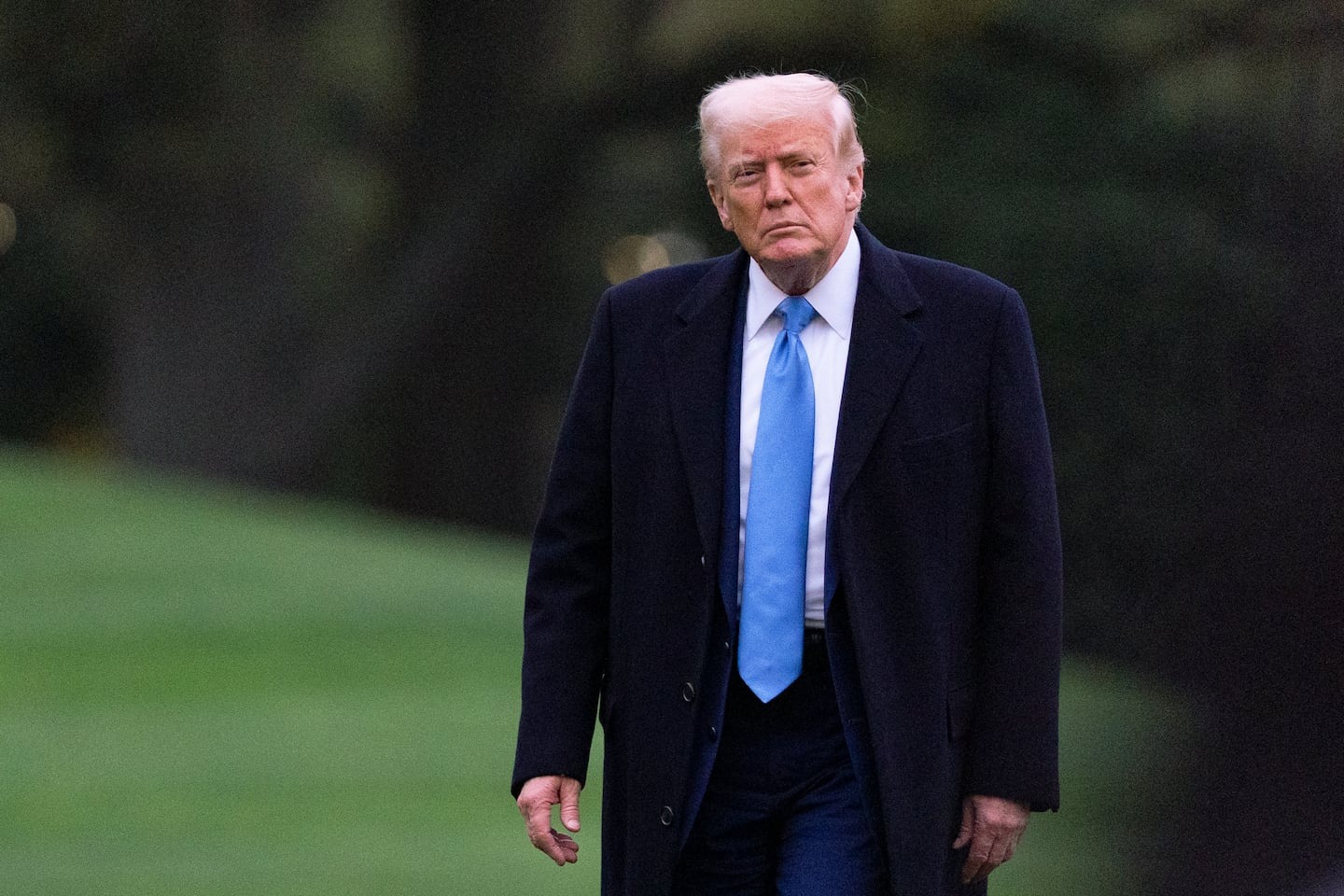
US President Donald Trump is set to host a high-level working lunch with five African heads of state at the White House on Wednesday, signaling renewed attention toward Africa’s Atlantic Coast as global powers intensify their competition on the continent.
The presidents of Senegal, Liberia, Guinea-Bissau, Mauritania, and Gabon are attending the closed-door gathering, which will take place in the White House’s State Dining Room.
While the White House has kept specific agenda items under wraps, officials from the visiting nations told AFP they expect discussions to focus heavily on commerce, investment, and regional security.
The invitation, extended personally by President Trump, underscores the administration’s pivot from traditional aid toward what officials call “mutual economic partnership.”
The meeting comes in the wake of the US government’s recent decision to shut down USAID, its decades-old foreign aid agency, framing the move as a departure from a “charity-based model.” Instead, the Trump administration has emphasized trade deals, reciprocal investment, and reducing dependency—themes expected to shape Wednesday’s engagements.
Liberia’s President Joseph Boakai accepted the White House invite with a forward-looking agenda. His press secretary, Kula Fofana, stated, “Our interest is to look more to trade and engagement partners who will invest,” emphasizing that Liberia is eager to move beyond aid dependency.
Gabon’s presidential spokesman, Theophane Biyoghe, echoed similar sentiments, describing the White House lunch as an opportunity to foster “synergies centred around the industrialisation of our economy.”
Though these nations lack the mineral-rich status of countries like the Democratic Republic of Congo, they remain strategically significant. Their Atlantic Coast locations place them at the heart of maritime routes and geopolitical attention, especially as global rivals Russia and China deepen their presence across Africa.
China has invested heavily in infrastructure in several of these countries, while Russia is providing diplomatic and military backing to the newly formed Alliance of Sahel States (AES) — composed of Mali, Burkina Faso, and Niger — which shares borders with several of Wednesday’s invitees.
Security is expected to feature prominently in the White House conversations. Guinea-Bissau, a frequent transit point for international drug traffickers, recently extradited four Latin American drug smugglers to US authorities.
President Umaro Sissoco Embalo, speaking to the press before his departure for Washington, described the visit as “very important” for his nation. “Economically, this is a great opportunity opening for us,” he said, adding hope for enhanced US support.
Though trade and cooperation are the official pillars of the meeting, there is also a backdrop of diplomatic tension. According to a leaked internal memo, four of the five nations—Gabon, Liberia, Mauritania, and Senegal—are reportedly under consideration for inclusion in a broader US travel ban policy. The discussions, therefore, may also be shadowed by immigration concerns.
In recent history, high-profile visits to the White House have not always unfolded smoothly. Ukrainian President Volodymyr Zelensky became caught in a political firestorm following his meeting with Trump, while South Africa’s Cyril Ramaphosa was confronted with a controversial video during his visit, depicting unfounded claims of “white genocide.”
In contrast, the African leaders attending Wednesday’s lunch are not scheduled for a joint press appearance with Trump. White House Press Secretary Karoline Leavitt did not indicate an official statement or joint media session, stating only that the president would “host leaders of five African nations for lunch.”
Despite the limited transparency, the lunch is being seen by the visiting governments as a key diplomatic opening. Whether the engagement results in lasting policy shifts or new partnerships remains to be seen.
What You Should Know
President Trump is meeting five West African leaders for a private lunch aimed at exploring trade, investment, and security cooperation.
The visit signals a shift from traditional US foreign aid toward strategic partnerships. However, the talks unfold amid sensitive issues, including immigration policy reviews and growing geopolitical competition with China and Russia.