A medical advisory committee in the United States, reshaped under President Donald Trump’s health secretary to reflect the views of vaccine sceptic Robert F. Kennedy Jr., has made its first major change to the standard childhood immunisation schedule.
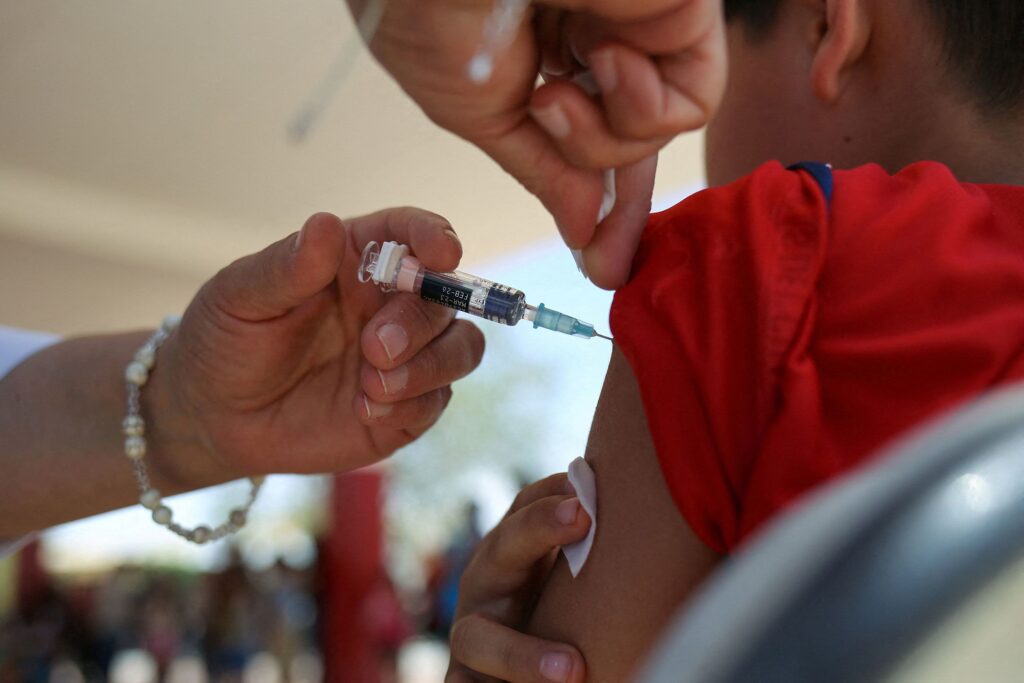
The panel, known as the Advisory Committee on Immunisation Practices (ACIP), voted on Thursday that children under four should no longer receive the combination MMRV vaccine, which covers measles, mumps, rubella, and varicella. Instead, parents are now to be offered the separate MMR and chickenpox shots.
The MMRV vaccine carries a minor risk of causing short-lived febrile seizures, though medical authorities have long deemed the shot safe. Pediatricians stressed that parents already had both options available and criticised the panel for reviving a debate they say was resolved years ago. “I’m still puzzled by why this came back as a point of discussion,” said Sean O’Leary, chair of the American Academy of Pediatrics’ infectious diseases committee. “The only thing I can think of is it’s another strategy to scare parents.”
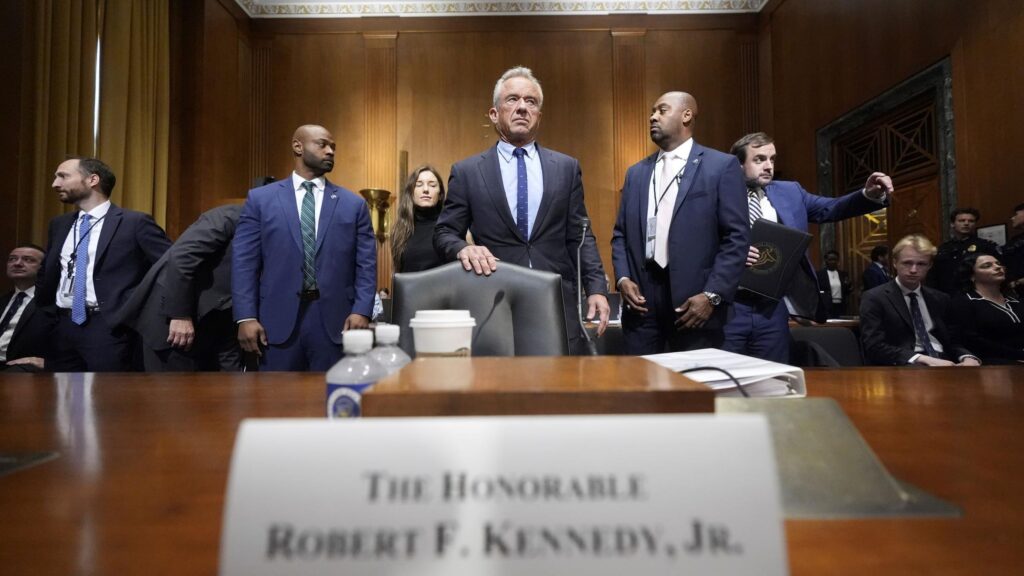
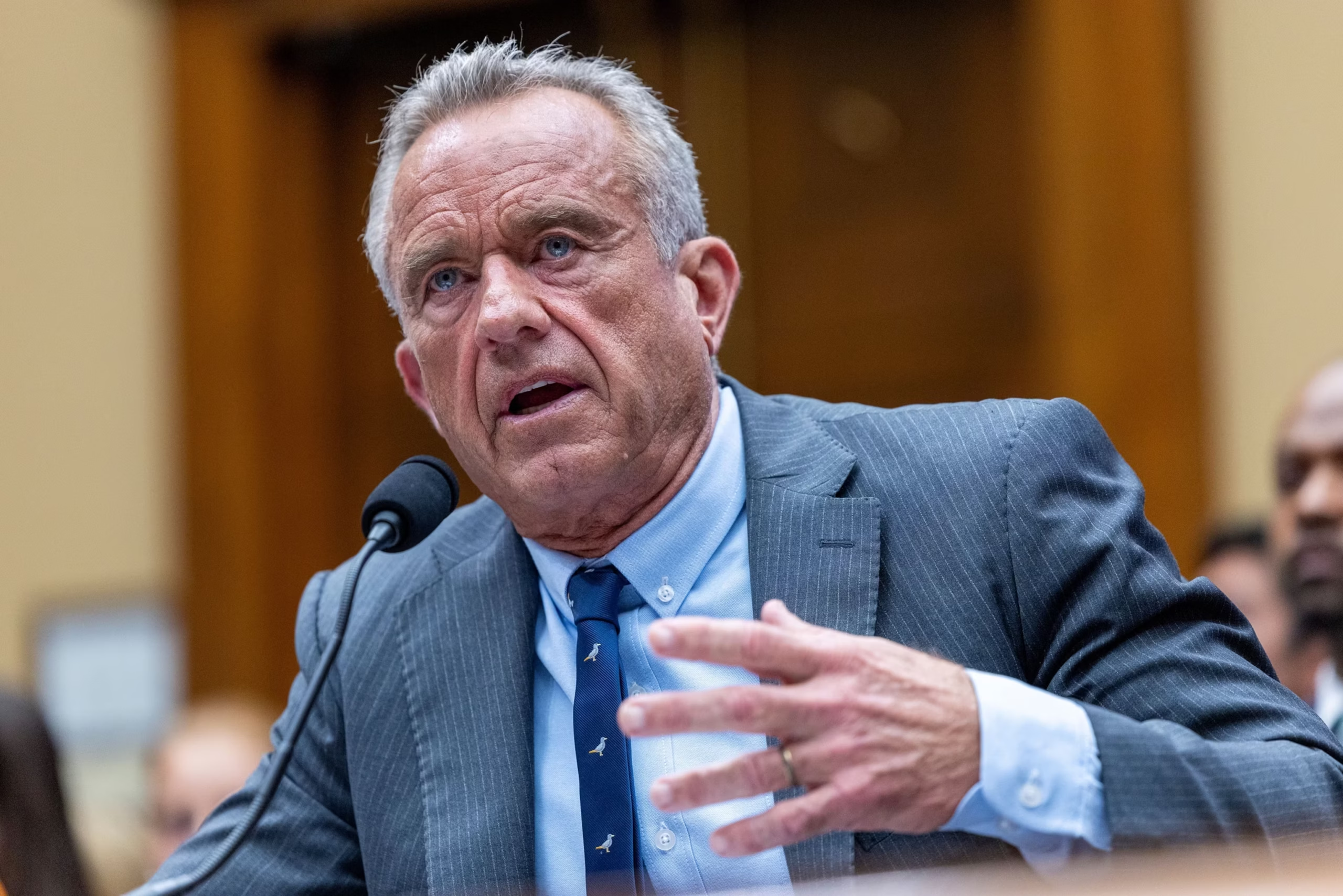
Kennedy, a vocal opponent of vaccines who has spread discredited claims such as a link between the MMR vaccine and autism, dismissed the entire previous ACIP membership and replaced them with individuals whose views align more closely with his own. That shift has prompted alarm among public health experts who say the committee’s work now risks undermining long-standing trust in vaccination.
During Thursday’s meeting, even the language of the panel’s resolution caused confusion, with some members abstaining because they were unclear on what exactly was being decided. The outcome leaves the MMRV shot still covered under the federal Vaccines for Children programme but no longer formally recommended for kids under four. Experts warned this partial coverage would create inconsistencies across federal health schemes, heightening parental confusion.
“Parents like me depend on a childhood vaccine schedule built on science and trust. Every change should strengthen, not weaken, the safety net that keeps our kids healthy,” said epidemiologist Syra Madad, who warned that the committee’s discussions risk eroding protections that are proven to work.
The panel postponed until Friday a decision on whether to abandon the long-standing requirement that newborns receive a hepatitis B shot within 24 hours of birth. Medical professionals say early vaccination is the most effective safeguard against maternal transmission of the highly infectious virus, which can cause chronic liver disease and cancer. “Amending the advice could amount to a devastating decision,” O’Leary cautioned, stressing the move would only fuel misinformation already plaguing US immunisation efforts. He went on to label the new committee “illegitimate.”
ACIP chair Martin Kulldorff defended the panel, insisting it remains “pro-vaccine” and open to scientific critique. But infectious disease expert Wilbur Chen accused the group of relying on misleading information rather than rigorous science. The committee is also expected to debate this season’s Covid-19 vaccination guidance, including eligibility and payment structures.
What You Should Know
The US Advisory Committee on Immunisation Practices, reshaped under Trump’s administration and influenced by Robert F. Kennedy Jr., has voted to stop recommending the MMRV combination shot for children under four.
Medical experts warn the move risks fuelling confusion and undermining vaccine trust, with further contentious votes, including on hepatitis B shots for newborns, still pending.