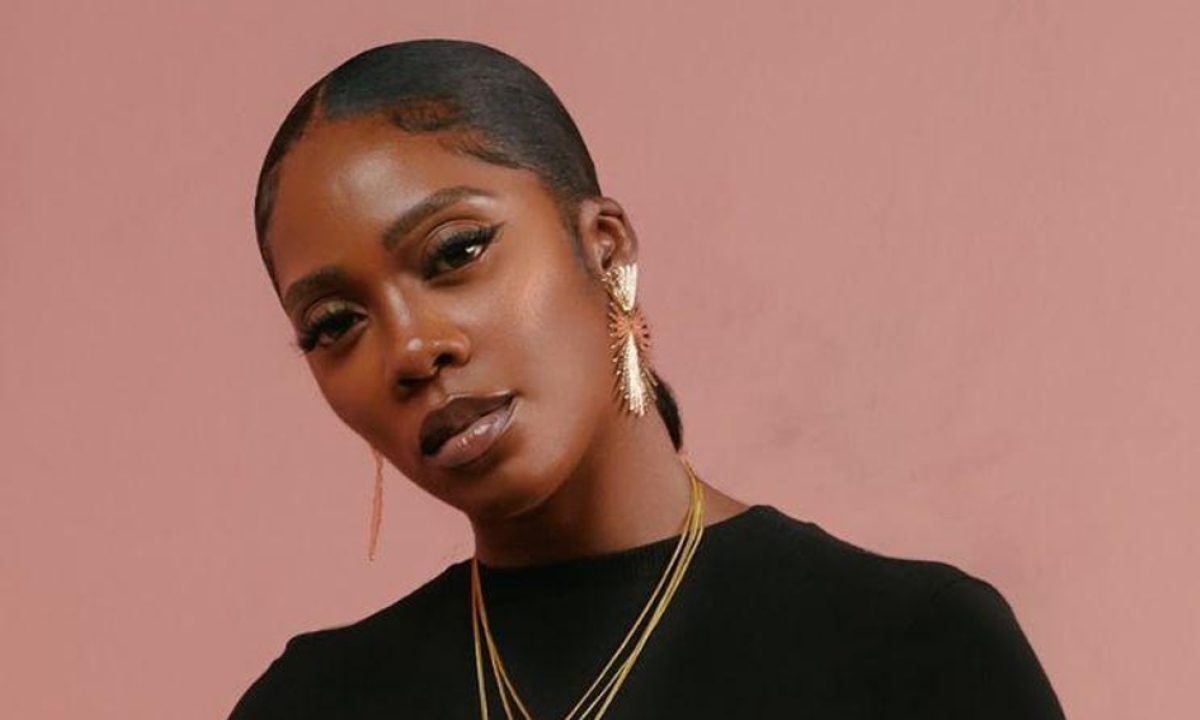
In a candid revelation that sheds new light on one of Nigeria’s entertainment industry’s most challenging scandals, Grammy-nominated singer Tiwa Savage has disclosed the mental strategy that enabled her to survive what she describes as the darkest period of her career.
Speaking in an intimate interview with British media personality Zeze Mills, published Friday on YouTube, the 45-year-old “All Over” hitmaker detailed how she navigated the devastating convergence of two life-altering events in October 2021: the death of her father and the malicious release of her private intimate video by an attempted blackmailer.
“My dad died, and my sex tape was released. The only way I could have survived was not to think about it,” Savage revealed, her voice carrying the weight of someone who has emerged from a profound trial by fire.
The timing of these dual tragedies created what industry observers can only describe as a perfect storm of personal and professional crises. The sex tape leak, orchestrated by someone attempting to extort the singer, thrust her into an unwanted spotlight just as she was grappling with the grief of losing her father—a devastating double blow that could have ended lesser careers.
Savage’s coping mechanism—deliberate mental compartmentalization—represents a stark departure from the typical celebrity response to scandal. Rather than engaging in damage control or public relations campaigns, the mother of one chose psychological self-preservation through what she describes as intentional non-engagement with the trauma.
“Being here on the couch with you is such a blessing,” Savage told Mills, her gratitude palpable as she reflected on having a platform to finally address the period that nearly derailed her career. “Just the fact that you even want to talk to me—people want to hear what I want to say after how many years. It feels good. I’ve gone through so much, but have I enjoyed the moment?”
The interview, which marks one of Savage’s most vulnerable public appearances since the scandal, revealed a woman who has emerged from crisis with hard-won wisdom about love and relationships. In perhaps her most striking admission, the singer confessed that her understanding of romantic love has fundamentally shifted.
“I’ve never felt true love except with my son. Looking back at my relationships, even my marriage, I realize it wasn’t love,” she declared, referencing her previous marriage to talent manager Tunji Balogun, with whom she shares her son Jamil.
This revelation carries particular weight given Savage’s status as one of Africa’s most prominent female artists, whose personal life has been subject to intense public scrutiny throughout her career. Her acknowledgment that what she previously believed to be love was “merely infatuation” suggests a profound reassessment of her romantic history.
Perhaps most poignantly, Savage expressed uncertainty about her romantic future, stating, “Maybe love isn’t for me because I have tried over and over again, so maybe love isn’t for me this lifetime.”
The interview represents a significant moment in Savage’s post-scandal rehabilitation, demonstrating not just her survival but also her willingness to engage with the painful period that threatened to define her career. Her strategy of psychological avoidance—while unconventional—appears to have preserved her mental health during a period when many public figures might have succumbed to the pressure.
Industry analysts note that Savage’s survival of the 2021 crisis, followed by her continued artistic output and international recognition, serves as a testament to both her resilience and the evolving nature of celebrity scandal in the digital age. Her story offers a rare glimpse into the private strategies employed by public figures navigating the intersection of personal tragedy and public humiliation.
As Savage continues to rebuild and redefine her narrative, her candid discussion of survival tactics provides insight into the often-hidden emotional labor required to maintain a career in the unforgiving glare of public attention. Her journey from victim of exploitation to a woman comfortable enough to discuss her darkest hour publicly represents a masterclass in personal recovery and professional resurrection.
WHAT YOU SHOULD KNOW
Nigerian superstar Tiwa Savage survived the devastating combination of her father’s death and a malicious sex tape leak in 2021 through deliberate mental compartmentalization—choosing not to think about the trauma.
Her strategy of psychological avoidance, while unconventional, preserved her mental health and career during what she calls her darkest hour. The scandal, orchestrated by blackmailers, could have ended her career, but Savage’s intentional non-engagement with the crisis allowed her to emerge stronger.
Her story demonstrates that sometimes survival requires stepping away mentally from overwhelming circumstances rather than confronting them head-on—a powerful lesson in crisis management and personal resilience.