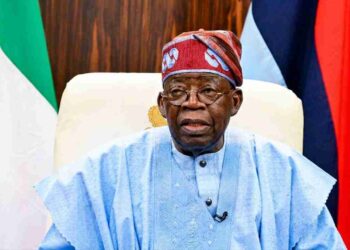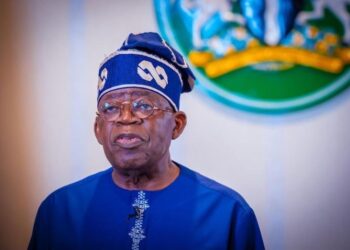
President Bola Tinubu on Thursday urged state governors to place greater emphasis on improving the lives of Nigerians, particularly in rural communities, by increasing investments in rural electrification, mechanised agriculture, poverty reduction, and infrastructure.
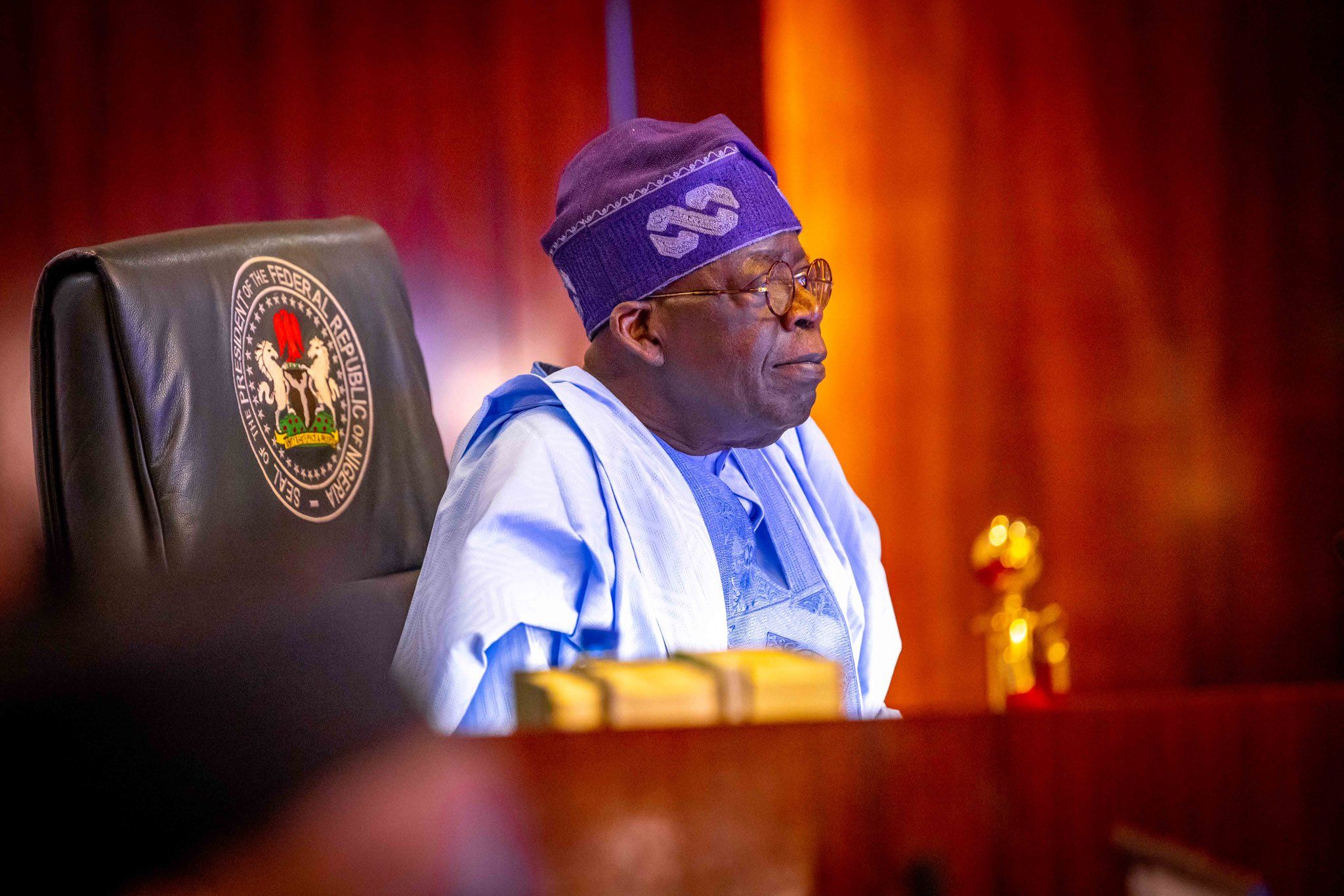
The president’s message came during the 150th session of the National Economic Council (NEC), held at the State House Council Chambers in Abuja, following a presentation by Minister of Budget and Economic Planning, Abubakar Bagudu, on the Renewed Hope Ward Development Programme (RHWDP).
“I want to appeal to you; let us change the story of our people in the rural areas,” Tinubu was quoted as saying in a statement issued by Stanley Nkwocha, the Senior Special Assistant to the President on Media and Communications (Office of the Vice President). He added, “The economy is working. We are on the path of recovery, but we need to stimulate growth in the rural areas. We know the situation in the rural areas, let us collaborate and do what will benefit the people.”
President Tinubu called on state governments to work closely with the federal government to bring economic development to rural communities nationwide. “We have to embrace mechanisation in agriculture, fight insecurity and improve school enrolment through school-feeding,” he noted.
As part of his directive, Tinubu instructed NEC to form a committee to fast-track the execution of key legacy projects, notably the Lagos-Calabar and Sokoto-Badagry Super Highways. Additionally, he ordered the relocation of the Office of the Surveyor-General of the Federation to the presidency to streamline implementation of these initiatives.
During the NEC meeting, members gave full backing to the RHWDP, a newly introduced ward-level development framework intended to drive Nigeria’s economic growth through targeted interventions in the country’s 8,809 administrative wards across all 36 states.
Bagudu’s presentation positioned the RHWDP as a cornerstone of the Tinubu administration’s Renewed Hope Agenda, which aims to transform Nigeria into a $1 trillion economy by 2030. Achieving that goal would require a sustained annual growth rate of 15 per cent, compared to the current rate of under four per cent.
The RHWDP is grounded in legal provisions from the 1999 Constitution and the Fifth Alteration Act, which support policy initiatives for food security and improved production methods.
Key objectives of the programme include bolstering economic activity at the grassroots level, with a minimum of 1,000 economically active individuals targeted in smaller wards, and 2,000 in larger ones. A National Steering Committee, comprising representatives from all six geopolitical zones, will oversee the implementation. The Ministry of Budget and Economic Planning will serve as the secretariat for the project.
What You Should Know
The Renewed Hope Ward Development Programme (RHWDP) reflects President Tinubu’s broader vision of inclusive economic growth by targeting Nigeria’s rural communities.
It is structured to directly impact the country’s 8,809 administrative wards, ensuring equitable development across all states. Anchored in constitutional mandates, the RHWDP supports mechanised agriculture, food security, education, and infrastructure.
The programme also sets ambitious growth targets necessary for achieving a $1 trillion economy by 2030. With support from both federal and state governments, RHWDP could mark a pivotal shift in national development planning—moving from centralized strategies to grassroots-driven transformation.