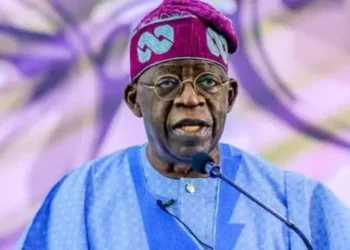
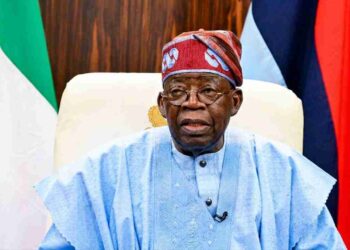
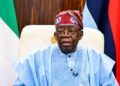
President Bola Tinubu has once again stepped in to calm the long-running political crisis in Rivers State involving Governor Siminalayi Fubara and his predecessor, Nyesom Wike.
The latest move came after months of tension that nearly pushed the state into another round of impeachment threats, stalled lawmaking, and deep political division. The dispute had earlier forced Tinubu to declare a six-month emergency rule in Rivers State in March 2025, during which Fubara was suspended from office.
Sources close to the matter said the president acted shortly before leaving Nigeria for an official visit to Türkiye on January 26. He ordered that all impeachment plans against Fubara must stop immediately, but attached firm conditions aimed at restoring calm in the state.
Tinubu reportedly told Governor Fubara that Wike remains the main political authority in Rivers State and must be treated as such. The president was said to be unhappy that the crisis had dragged on despite earlier peace efforts and warned that continued fighting would damage governance and stability in the oil-producing state.
At the same time, Tinubu directed Wike to step away from any move to remove Fubara from office and allow the governor to run the affairs of the state without disruption.
The rift between both men began not long after Fubara took office in May 2023.
Wike, who played a key role in Fubara’s rise to power, was believed to have wanted strong control over the state’s political structure from Abuja, while the governor pushed back in a bid to act independently. This struggle quickly split political actors in Rivers State, with most lawmakers siding with Wike.
Several impeachment attempts were later initiated by lawmakers loyal to Wike, keeping Fubara under constant threat. Multiple peace meetings were held, but none brought lasting relief, eventually leading to the emergency rule imposed by the president.
Supporters of Wike have accused Fubara of turning against his benefactor, while allies of the governor argue that the state should not be controlled by a former governor now serving as Minister of the Federal Capital Territory. In the latest settlement effort, Tinubu reportedly compared the situation to Lagos politics, pointing out that serving governors still respect political structures and senior figures.
He was said to have reminded Fubara that political seniority matters and that Wike, as an elder in Rivers politics, deserves respect. As part of the agreement, Fubara was asked to accept Wike as the political leader of Rivers State with final say on party matters.
All internal party issues in the state are expected to pass through Wike under the new arrangement. The deal also covered the upcoming Rivers State House of Assembly by-elections. Tinubu directed that candidates backed by Wike should be accepted by the ruling party for the vacant seats.
The Independent National Electoral Commission has fixed February 21, 2026, for elections in Ahoada East II and Khana II constituencies. One seat became vacant after the former lawmaker resigned to become chief of staff to the governor, while the other has remained empty since the death of its representative in September 2023.
Discussions about Fubara’s future political plans were also raised during the talks but were set aside. Tinubu reportedly told both camps that it was too early to talk about the 2027 governorship race, insisting that peace and stability must come first.