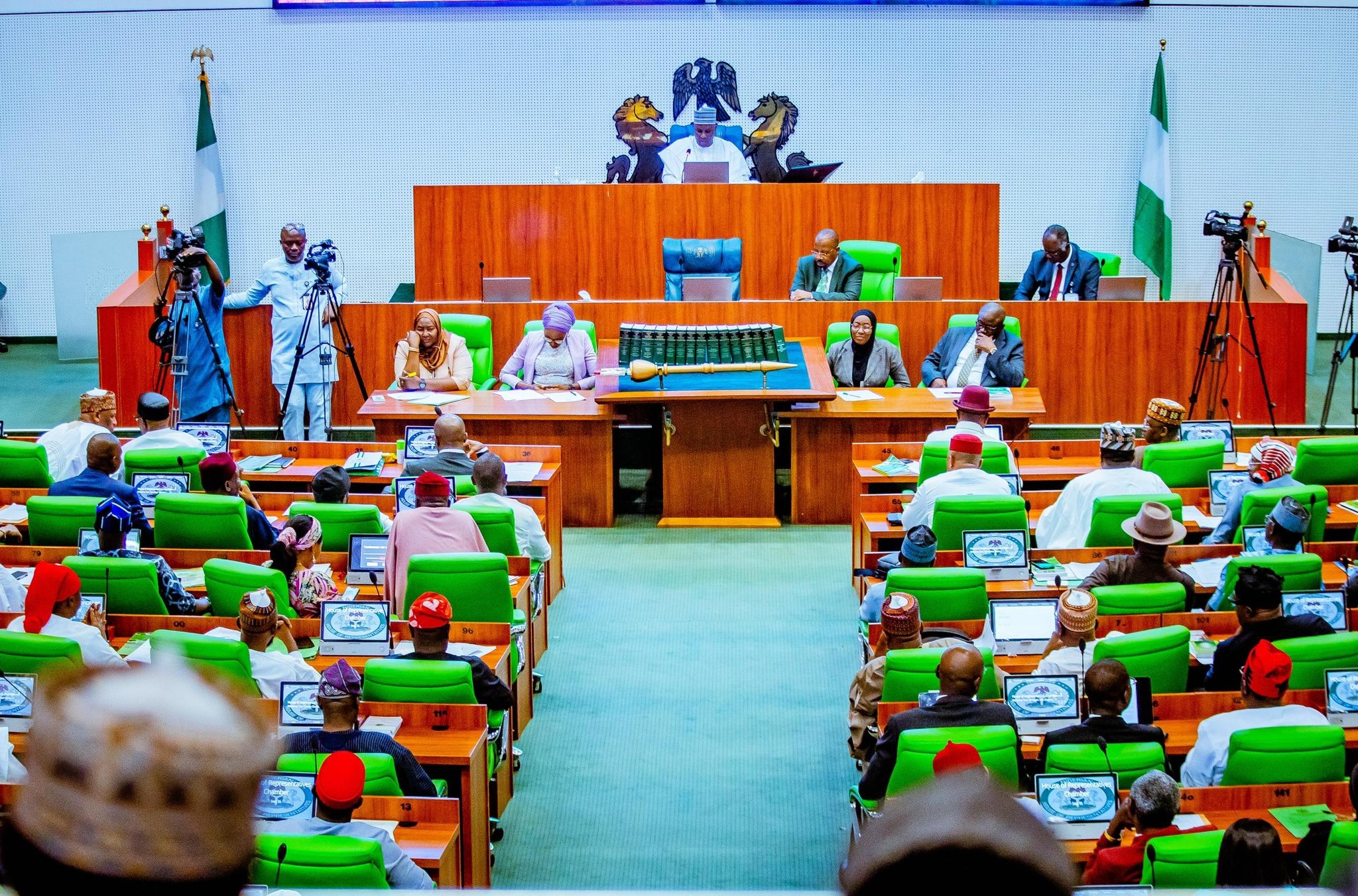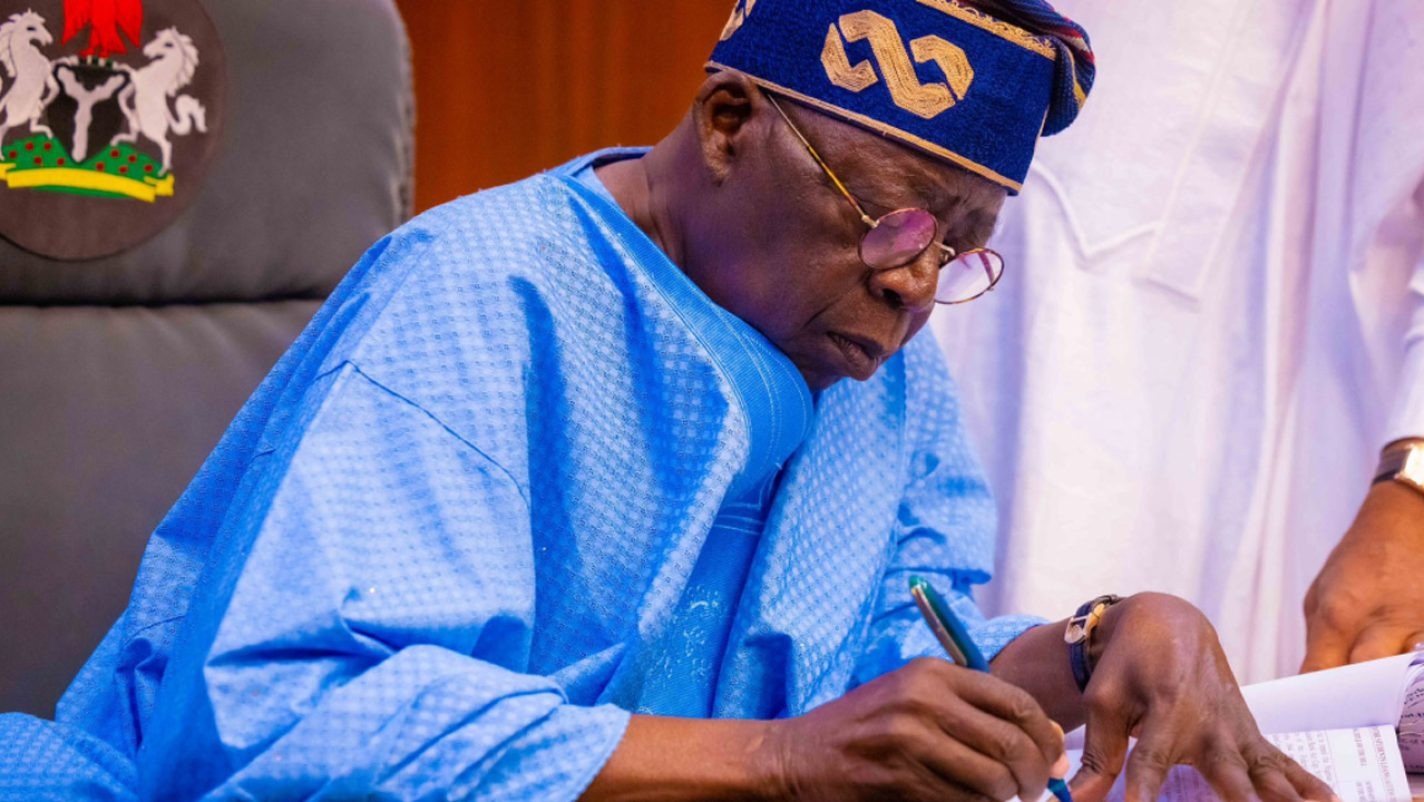
President Bola Tinubu has formally requested the Senate’s authorization to send Nigerian military personnel to the Republic of Benin in response to the recent failed coup attempt in the neighbouring country.
His appeal was conveyed through a letter read during Tuesday’s plenary session. In the correspondence, President Tinubu noted that Benin’s leadership urgently sought exceptional air assistance from Nigeria’s Armed Forces after a faction of soldiers attempted to depose President Patrice Talon.
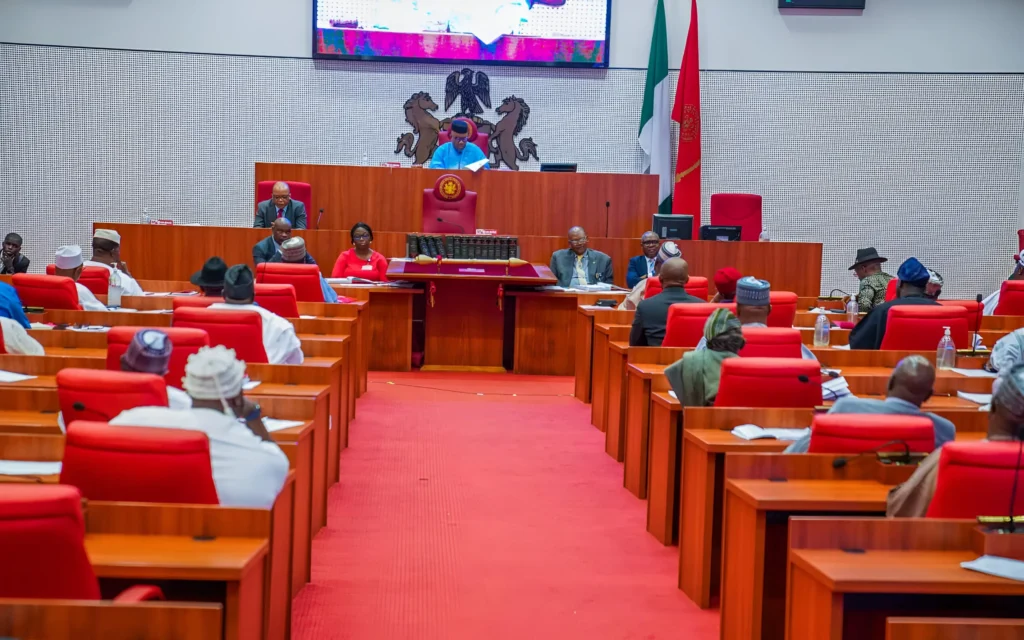
Referencing Section 30 (5) of Part II of the 1999 Constitution (as amended), the President stated that he had already consulted the National Defence Council prior to forwarding the request to legislators. He emphasized that the Senate’s approval was now essential to endorse a regional peacekeeping operation.
President Tinubu cautioned that Benin was confronting “an attempted unconstitutional seizure of power and the destruction and destabilization of democratic institutions”. He appealed to lawmakers to act promptly, adding that Nigeria maintains a longstanding obligation to support Benin through existing Economic Community of West African States security mechanisms. He stressed that the unfolding events required “urgent external intervention” to help restore order and prevent a further slide into instability.
Senate President Godswill Akpabio assigned the matter to the Committee of the Whole for immediate deliberation. The attempted coup in Benin occurred on Sunday when a faction of military personnel proclaimed the removal of President Patrice Talon. Those soldiers, identifying themselves as the “Military Committee for Refoundation” (CMR), declared via national television that they had resolved that “Mr Patrice Talon is removed from office as president of the republic”.
The effort was quickly subdued as loyalist forces reasserted authority. Sources close to the president reported that “The regular army is regaining control. The city (Cotonou) and the country are completely secure”, adding that “It’s just a matter of time before everything returns to normal. The clean-up is progressing well.” The attempted takeover followed recent coups in both Madagascar and Guinea-Bissau and mirrors similar power seizures in Benin’s northern neighbours, Niger and Burkina Faso.
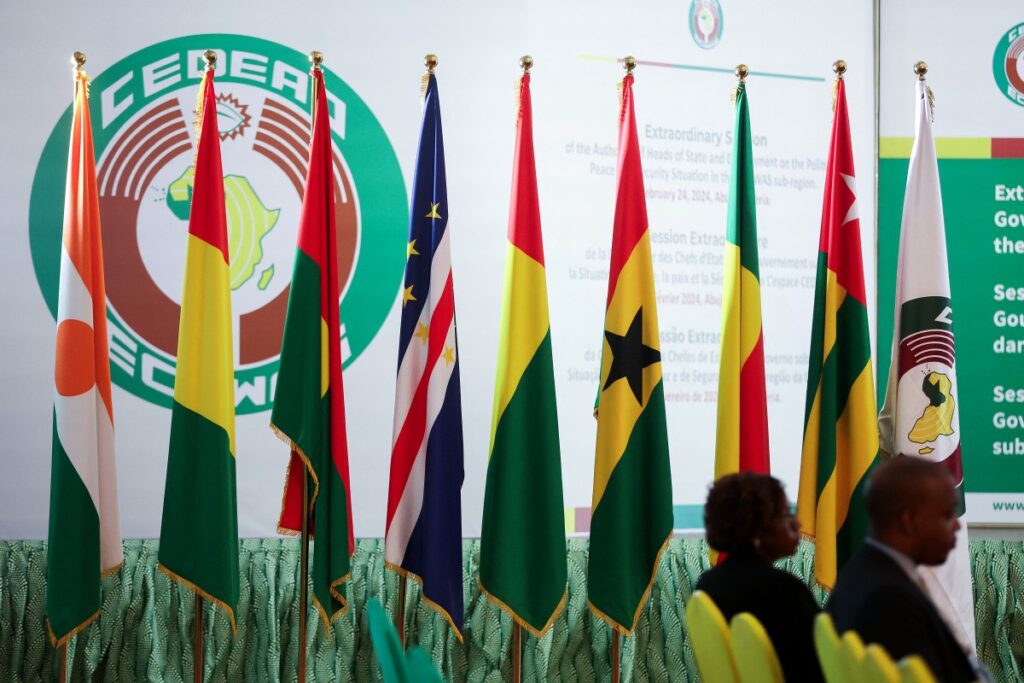
In reaction to the situation, ECOWAS announced it would deploy its standby force to Benin. According to the bloc, “After consultation among members of the Mediation and Security Council at the level of Heads of State and Government, the Chair of ECOWAS Authority of Heads of State and Government has ordered the deployment of elements of the ECOWAS Standby Force to the Republic of Benin with immediate effect.”
The organisation further stated that “The Regional Force shall be made up of troops from the Federal Republic of Nigeria, the Republic of Sierra Leone, the Republic of Côte d’Ivoire, and the Republic of Ghana. The Force shall support the Government and the Republican Army of Benin to preserve constitutional order and the territorial integrity of the Republic of Benin”.
What you should know
Benin’s attempted coup has triggered urgent regional military and diplomatic responses, placing Nigeria at the forefront of efforts to stabilise the country.
President Tinubu’s request reflects Nigeria’s security commitments under ECOWAS and the growing concern over recurring coups across West Africa. The swift suppression of the coup attempt by loyalist forces indicates that Benin’s institutions remain intact, though the situation underscores lingering political tension as President Talon prepares to exit office in April.
ECOWAS’ rapid deployment decision signals a renewed attempt to assert regional authority after previous inaction during similar crises in Niger and elsewhere.