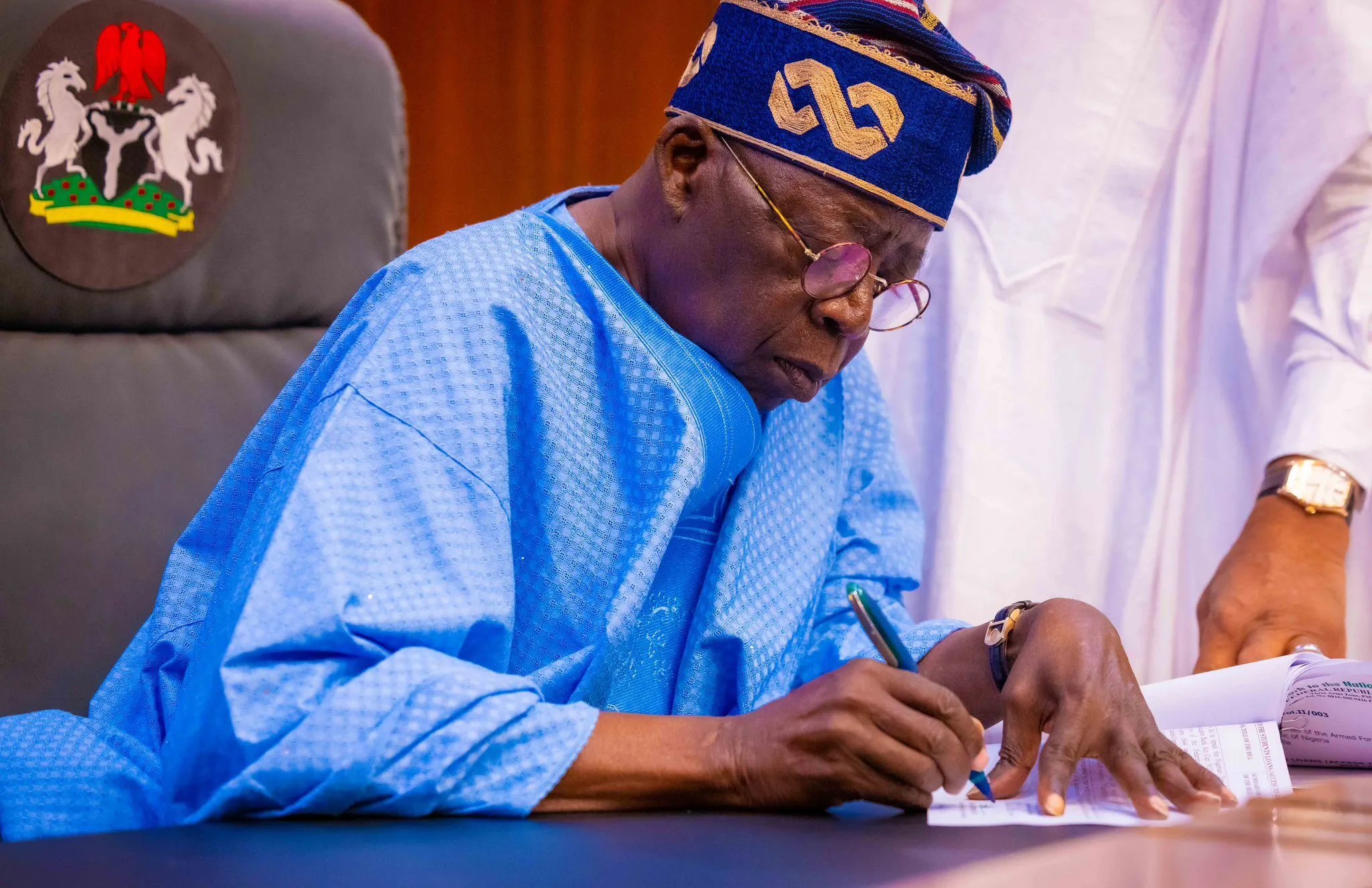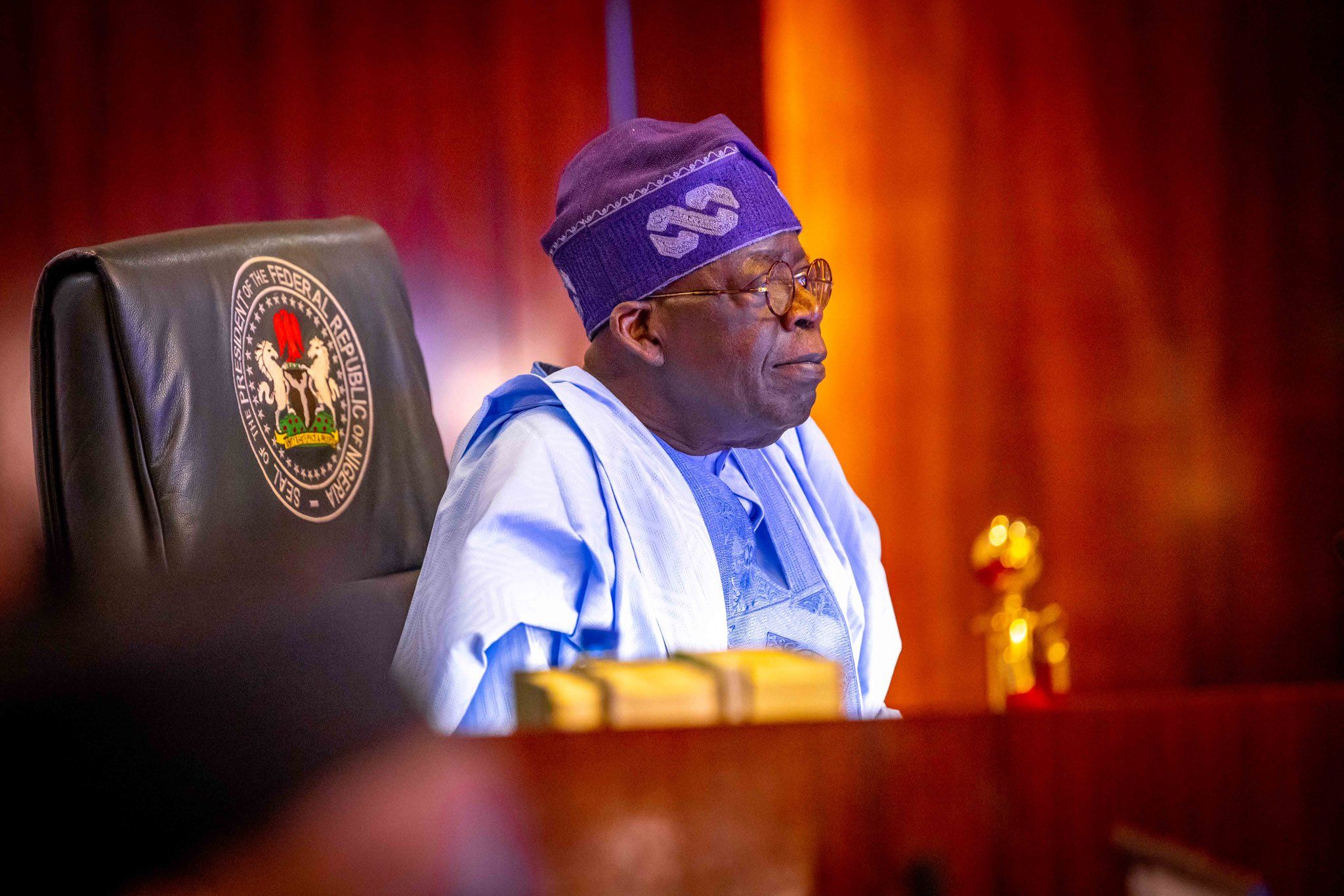
President Bola Tinubu has withheld his assent to the 2025 Amendment Bill seeking changes to the operational structure of the National Drug Law Enforcement Agency (NDLEA), citing constitutional issues and the need for transparent governance.
The President’s decision was formally communicated to the House of Representatives during plenary, where Speaker Abbas Tajudeen read the letter on the floor.
The rejection was made in accordance with Section 58(4) of the 1999 Constitution of the Federal Republic of Nigeria (as amended), which grants the President the authority to decline assent to any bill passed by the National Assembly.
In his letter, Tinubu specifically raised objections to a clause in the bill that proposed allowing the NDLEA to retain a share of funds generated from drug-related crime proceeds.
President Tinubu argued that permitting the agency to keep part of such funds would conflict with Nigeria’s current legal and administrative approach to the management of assets and money recovered through criminal prosecution.
He stressed that the existing structure already ensures accountability by directing all confiscated proceeds to a dedicated account known as the Confiscated and Forfeited Properties Account.
Highlighting the importance of oversight, Tinubu noted that disbursement of any such funds to enforcement agencies must be subject to executive authorization, including the President’s approval, as well as the consent of the Federal Executive Council (FEC) and the National Assembly. “There is no compelling reason to change the current process, which promotes transparency, as it involves executive and legislative oversight,” the President wrote.
The NDLEA Amendment Bill 2025 was passed by both the Senate and the House of Representatives with the aim of bolstering the agency’s operational autonomy and addressing its financial challenges.
Lawmakers had hoped the bill would strengthen the agency’s fight against the growing menace of drug trafficking by ensuring more sustainable funding mechanisms. However, Tinubu’s rejection of the bill highlights his administration’s priority for strict oversight and alignment with existing anti-corruption safeguards.
The decision is expected to spark debate within the National Assembly and among policy experts about balancing agency independence with fiscal accountability. It also raises questions about how best to support critical law enforcement bodies without compromising Nigeria’s commitment to transparency and due process in the management of public funds.
What you should know
President Tinubu has declined to sign the NDLEA Amendment Bill 2025 into law, objecting to a provision that would let the agency keep part of funds from drug-related crimes. He insists all such proceeds must follow the current oversight process involving the President, Federal Executive Council, and National Assembly.