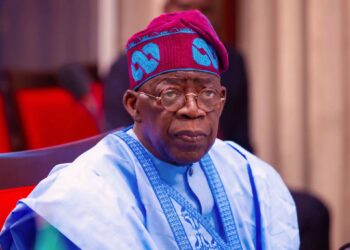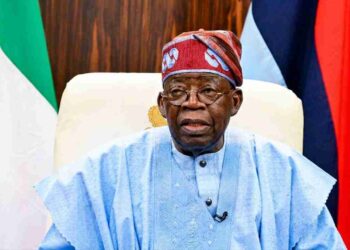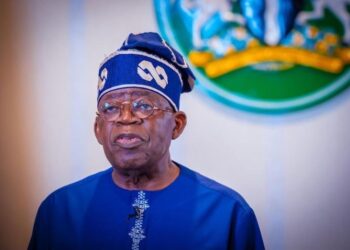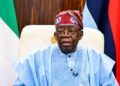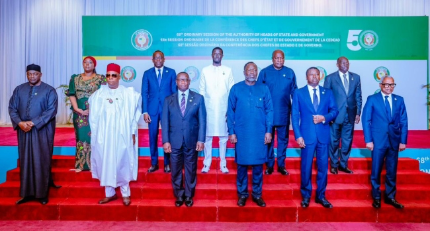
President Bola Tinubu has stressed the urgency of unity and joint responsibility among West African nations in tackling the region’s most pressing challenges, including terrorism, violent extremism and unconstitutional seizures of power.
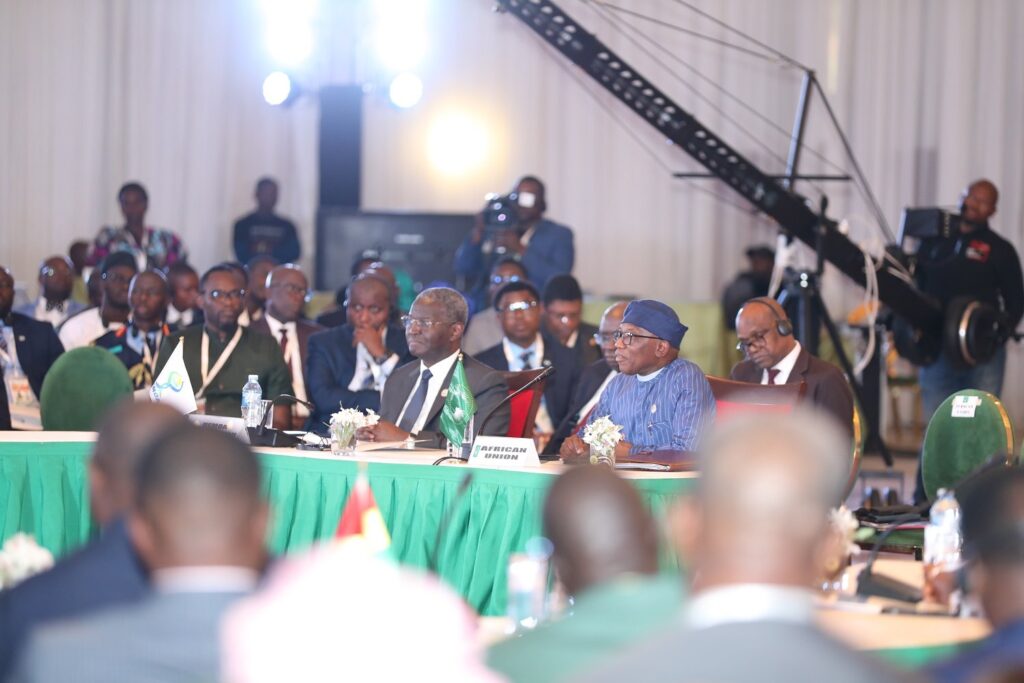
His position was conveyed in a welcome address delivered on his behalf by Vice President Kashim Shettima at the 68th Ordinary Session of the Economic Community of West African States (ECOWAS) Authority of Heads of State and Government, held at the State House Conference Centre in Abuja.
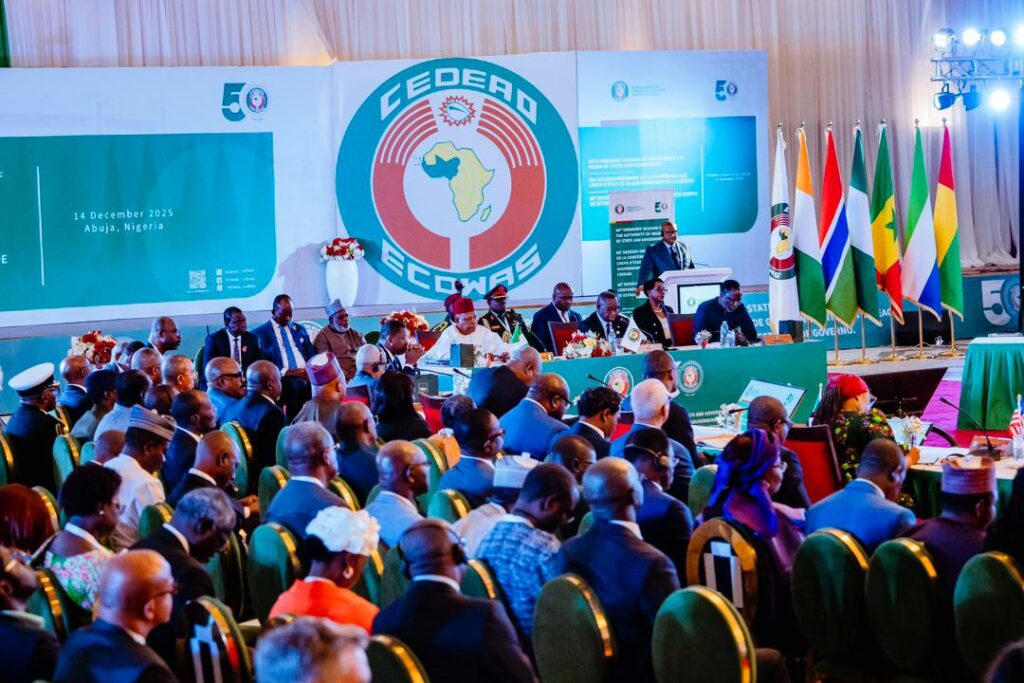
According to Tinubu, no country in the sub-region can secure lasting peace and stability in isolation. He reassured regional leaders that Nigeria remains fully committed to collective action aimed at protecting the shared destiny of West Africa and strengthening the institutions that bind the bloc together.
Echoing this message, ECOWAS Chairman and President of Sierra Leone, Julius Bio, also underscored the importance of coordinated regional responses, particularly through integrated intelligence sharing and harmonised border management.
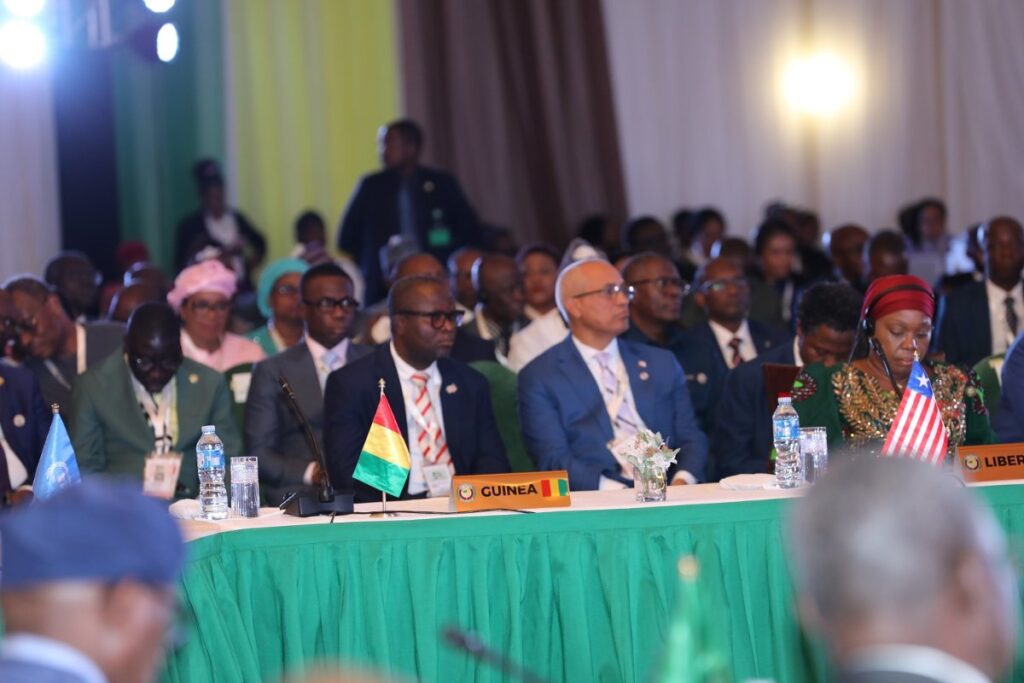
Bio condemned the unconstitutional change of government in Guinea-Bissau and the attempted disruption of democratic order in the Republic of Benin, praising the swift deployment of ECOWAS forces, with Nigeria playing a leading role, to defend constitutional governance.
He maintained that credible leadership and accountable governance remain essential pillars for regional stability and long-term development. As part of efforts to enhance regional integration and expand opportunities for citizens, Bio announced that from January 2026, ECOWAS will introduce a major policy aimed at reducing the cost of air travel across West Africa.
Under the new framework, member states agreed to abolish air transport taxes and cut passenger and security charges by 25 percent, a move expected to improve mobility, boost trade and promote inclusion across the sub-region.
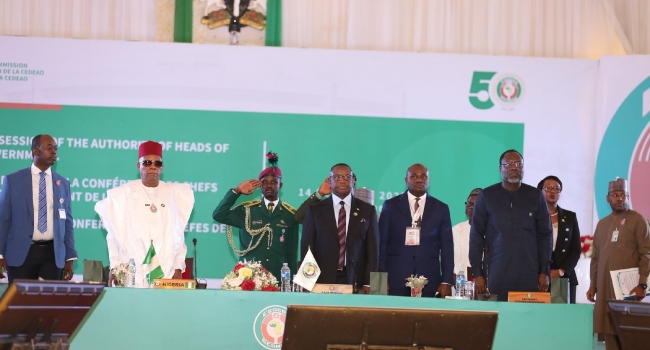
The summit comes against the backdrop of heightened political uncertainty, following a successful coup in Guinea-Bissau in November and a foiled military takeover attempt in Benin just a week ago, developments that have unsettled the ECOWAS bloc.
The region has also struggled with a wave of coups between 2020 and 2023 in Burkina Faso, Guinea, Mali and Niger, all of which remain under military rule.
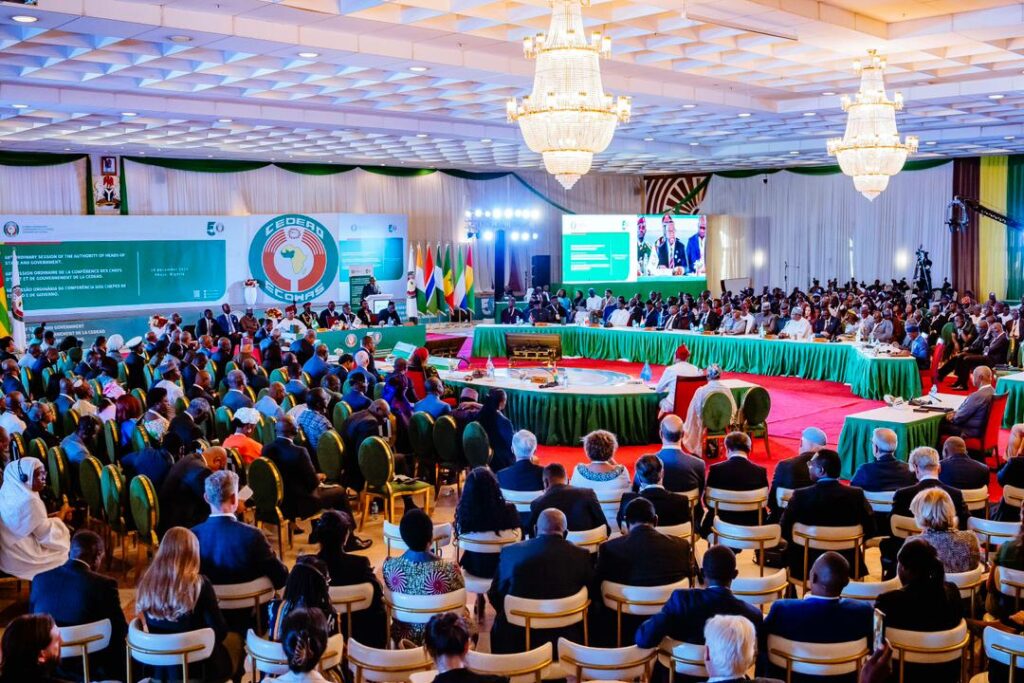
Reflecting on these developments, ECOWAS Commission President Alieu Touray told leaders at the opening ceremony in Abuja that, “The events of the last few weeks have shown in concrete terms what regional solidarity means,” reinforcing the bloc’s resolve to respond collectively to threats against democracy and security.
What you should know
The 68th ECOWAS summit focused heavily on security threats, democratic backsliding and regional cooperation at a time when West Africa faces renewed instability.
President Tinubu, through Vice President Shettima, reaffirmed Nigeria’s commitment to collective security, while ECOWAS leaders pushed for stronger intelligence sharing and coordinated border controls.
The meeting also produced a significant economic decision to reduce air travel costs from 2026, aimed at improving regional integration. Recent coups and attempted power seizures have heightened the urgency for ECOWAS to act decisively in defending constitutional order and regional stability.