A widening disagreement between the United States and several European nations over the direction of the Ukraine conflict is poised to dominate the G20 summit opening in South Africa on Saturday, a meeting further defined by Donald Trump’s decision not to attend.
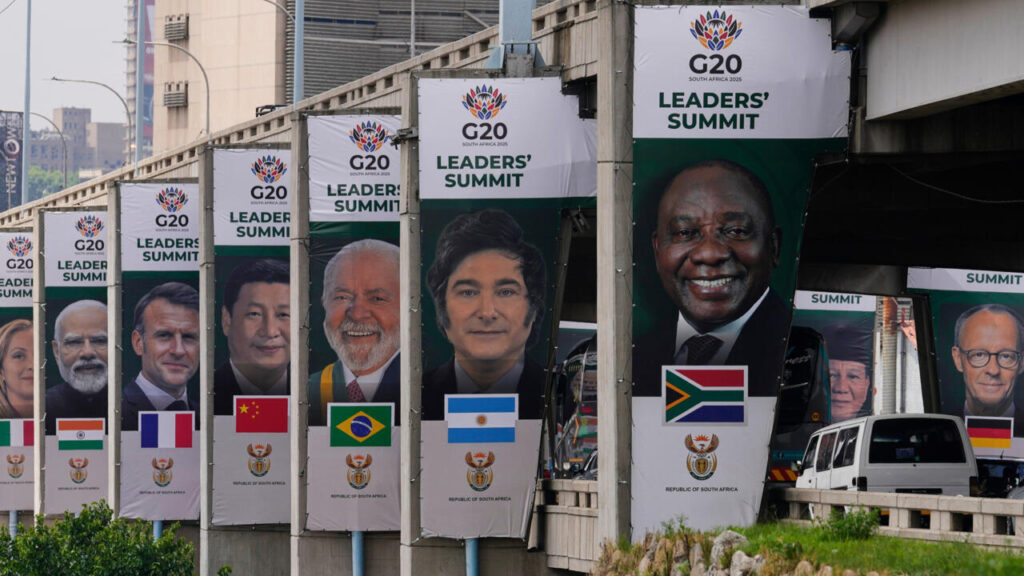
The Johannesburg summit has drawn major world leaders, including French President Emmanuel Macron, Indian Prime Minister Narendra Modi, Chinese Premier Li Qiang, Brazilian President Luiz Inacio Lula da Silva, and Turkish President Recep Tayyip Erdogan, yet Trump’s absence has added a political edge to the gathering.
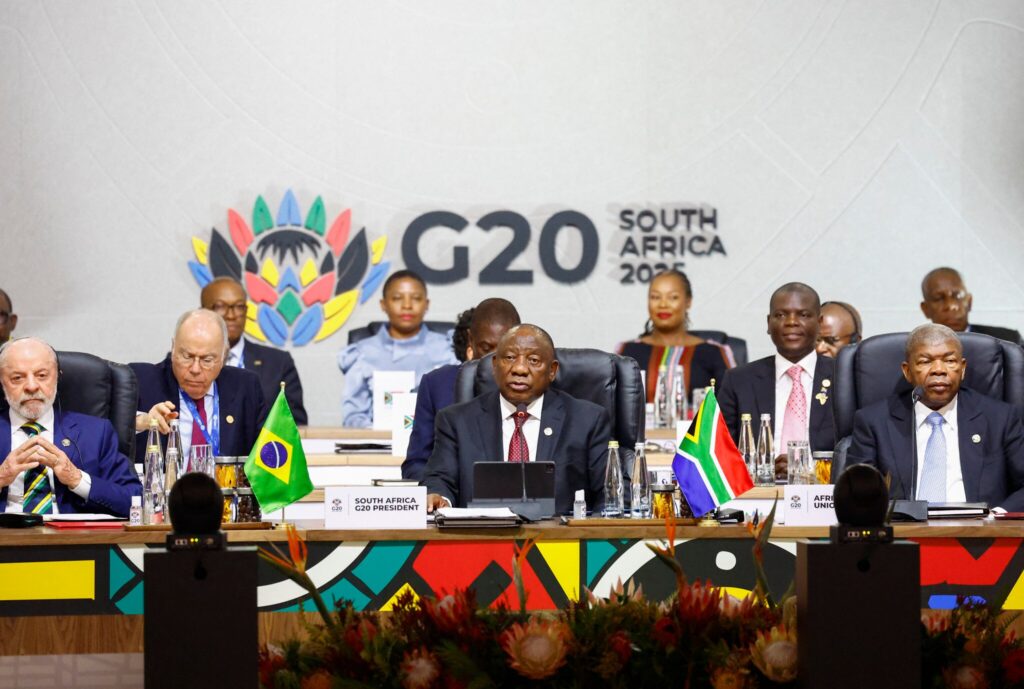
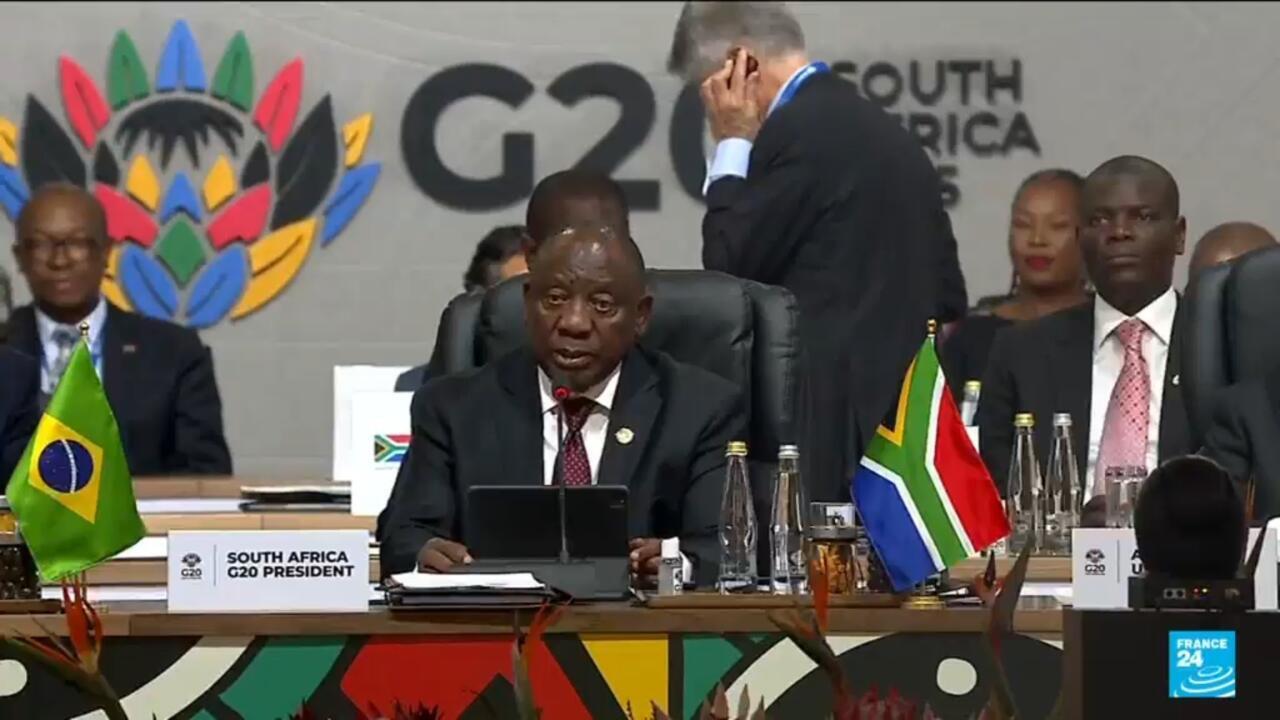
The US government has said Trump is boycotting the summit because South Africa’s priorities, especially its push for stronger global cooperation on trade and climate, run against US policy positions.
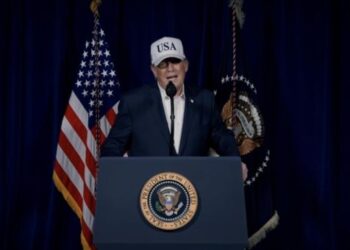
Despite not being present, the US president has continued to influence discussions, especially after unveiling an unexpected unilateral proposal to end the war in Ukraine in a manner largely aligned with Russia’s interests. This move prompted urgent discussions between European leaders, with Macron, German Chancellor Friedrich Merz, and UK Prime Minister Keir Starmer insisting after a joint call with Ukrainian President Volodymyr Zelensky that any peace initiative must have the “joint support and consensus of European partners and NATO allies”.
European Commission chief Ursula von der Leyen said that on Saturday, leaders from Europe would hold a meeting on the sidelines of the summit to reaffirm the position “that there should be nothing about Ukraine without Ukraine.” She added that this conversation would continue at an EU-Africa Union summit in Angola scheduled for Monday and Tuesday. Meanwhile, Trump has publicly warned that Ukraine has a limited window to accept his administration’s 28-point plan, telling Fox News Radio that “Thursday is, we think, an appropriate time”.
Another major obstacle for the G20 summit has been an impasse at the COP30 climate negotiations taking place in Brazil. The talks were scheduled to end on Friday after nearly two weeks of debate, but sessions were expected to extend because several petro-states were objecting to any mention of phasing out fossil fuels in the final agreement. Despite these setbacks, South Africa, as host nation, remained hopeful that its core proposals—including reducing global economic inequality, easing debt burdens for low-income countries, securing support for clean-energy transitions, and forming a pact on critical minerals—would gain traction.
President Cyril Ramaphosa expressed optimism late Friday, saying, “As South Africa, we are hoping that we will have the leaders’ declaration adopted, which will set a new and continuing agenda for the world, particularly the G20.” Negotiators from participating countries concluded work on a final draft document for leaders to review, according to sources who could not disclose what the draft contained. However, the likelihood that the summit would produce a traditional joint declaration remained unclear, especially given the US boycott and Washington’s warning that the G20 should not issue a statement in its name.
Ramaphosa, who has pushed back against both the US absence and the Trump administration’s accusations of a “white genocide” in South Africa, joined other leaders in emphasizing the vital role the G20 plays in fostering multilateral dialogue. European Council president Antonio Costa reinforced this sentiment during a pre-summit press briefing, saying, “Multilateralism is our best, maybe our only defence against disruption, violence and chaos. And South Africa put multilateralism to work.”
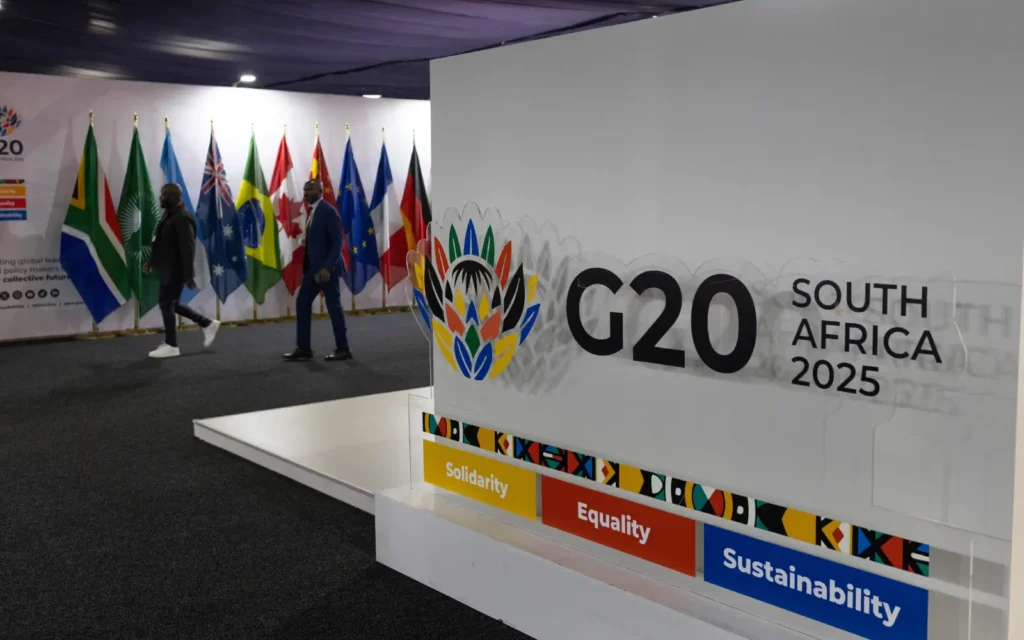
The US boycott mirrored Trump’s earlier decision not to send an official delegation to COP30. Washington has indicated it will only dispatch its charge d’affaires from its embassy to the summit’s closing handover ceremony, as the United States prepares to host the next G20 meeting at a Trump-owned golf club in Florida. The G20, made up of 19 nations along with the European Union and the African Union, represents roughly 85 percent of global GDP and nearly two-thirds of the world’s population, making the stakes of this year’s tensions especially significant.
What You Should Know
The G20 summit in Johannesburg is unfolding under strained global politics, with the United States boycotting and tensions rising over Trump’s unilateral Ukraine peace proposal.
European leaders insist Ukraine must be part of any negotiated plan, while climate negotiations at COP30 are stuck over fossil fuel disagreements.
South Africa remains hopeful for consensus, even as doubts linger about a joint declaration due to the US stance.