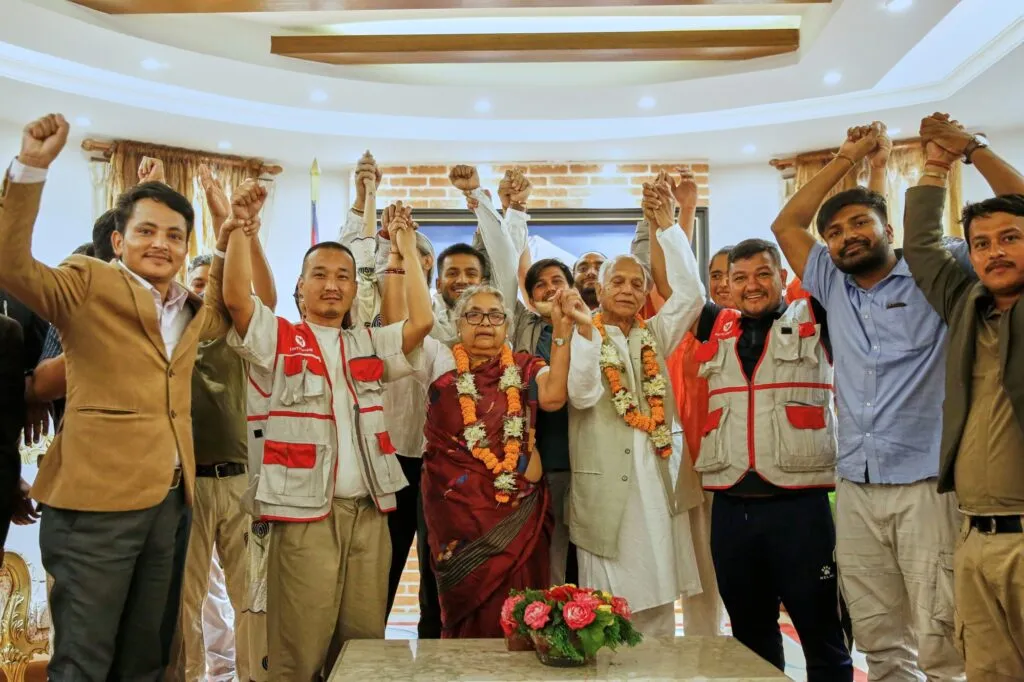
Nepal’s former chief justice, Sushila Karki, was sworn in on Friday as the country’s new prime minister, tasked with overseeing a six-month transition leading to elections after violent anti-corruption protests forced the government to collapse.
The outgoing prime minister resigned on Tuesday, hours before parliament was set ablaze by demonstrators.
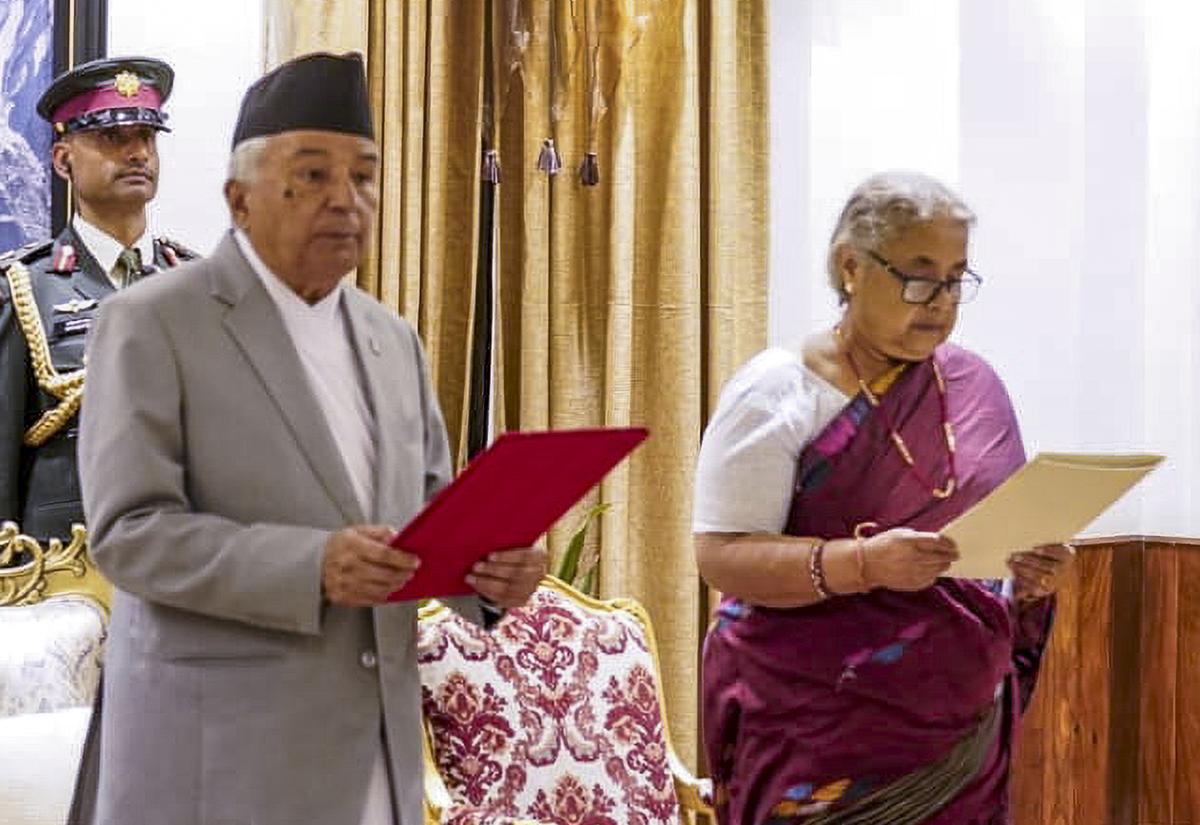
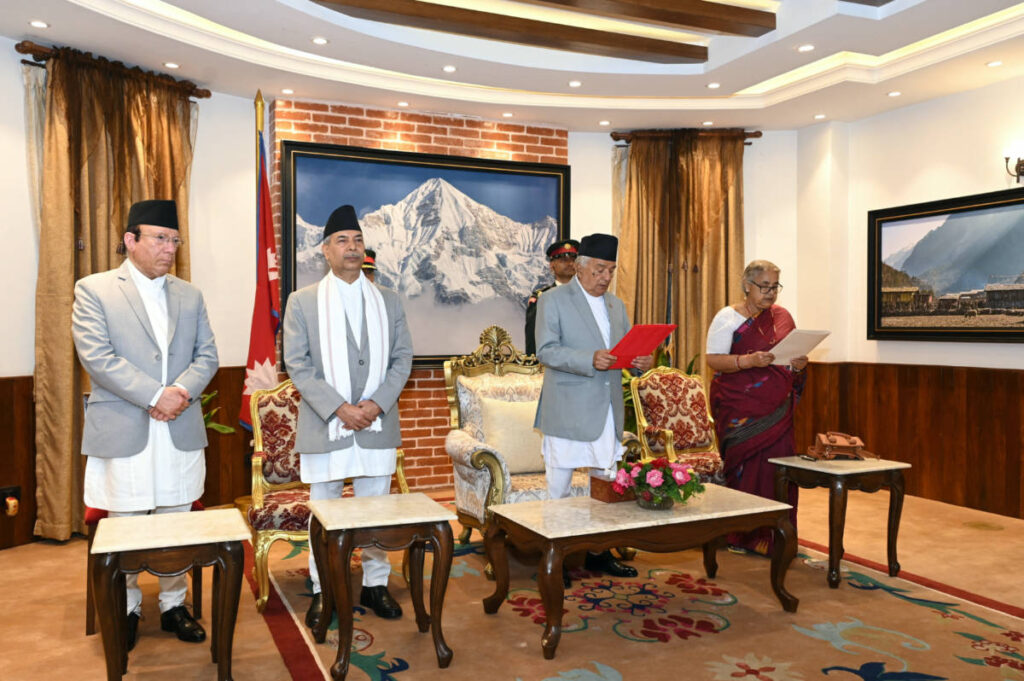
“I, Sushila Karki… take an oath in the name of the country and the people to fulfil my duty as the prime minister,” the 73-year-old, who is Nepal’s first female chief justice, declared during the ceremony conducted by President Ram Chandra Paudel.
Paudel responded: “Congratulations! We wish you success, wish the country success.” Diplomats and former leaders witnessed the modest ceremony inside the presidential palace.
Following her appointment, parliament was dissolved and elections scheduled for March 5, 2026.
Power Shift
The Himalayan nation of 30 million has been rocked by chaos after security forces clashed with young protesters in rallies against corruption. At least 51 people were killed, marking the deadliest unrest since Nepal abolished its monarchy and ended a civil war in 2008.
The army restored order on Wednesday with a strict curfew.
Karki’s appointment followed two days of negotiations led by army chief General Ashok Raj Sigdel and President Paudel, who also engaged with leaders of “Gen Z,” the youth-driven protest movement. Thousands of activists on Discord rallied behind Karki as their preferred leader.
Dressed in a red sari, Karki took her oath, smiling and bowing in traditional greetings, though she gave no additional speech.
“It is a moment of victory… finally, the power vacuum has ended,” said Amrita Ban, one of the Gen Z protesters.
Youth group Hami Nepal celebrated on Instagram, urging unity: “Honour the lives of those who sacrificed themselves for this moment.”
India welcomed the interim government, expressing hopes for peace and stability.
‘Make a Better Nepal’
The protests, triggered by a controversial social media ban and deep frustration with corruption and economic stagnation, intensified the country’s woes. The World Bank reports one in five young Nepalis remain unemployed, with GDP per capita at just $1,447.
Police killed at least 21 protesters, mostly during Monday’s crackdown. On Tuesday, demonstrators torched parliament, government offices, and a Hilton Hotel.
Amid the chaos, former prime minister KP Sharma Oli, 73, resigned and went into hiding. Authorities said over 12,500 prisoners escaped during the turmoil, with many still missing. More than 100 looted weapons have been recovered by the military.
By Friday, Kathmandu’s streets were quieter under continued army patrols, though residents cautiously ventured out during brief pauses in the curfew to gather supplies.
“I was very afraid, and stayed locked inside my home with family,” said Naveen Kumar Das, a 45-year-old painter-decorator.
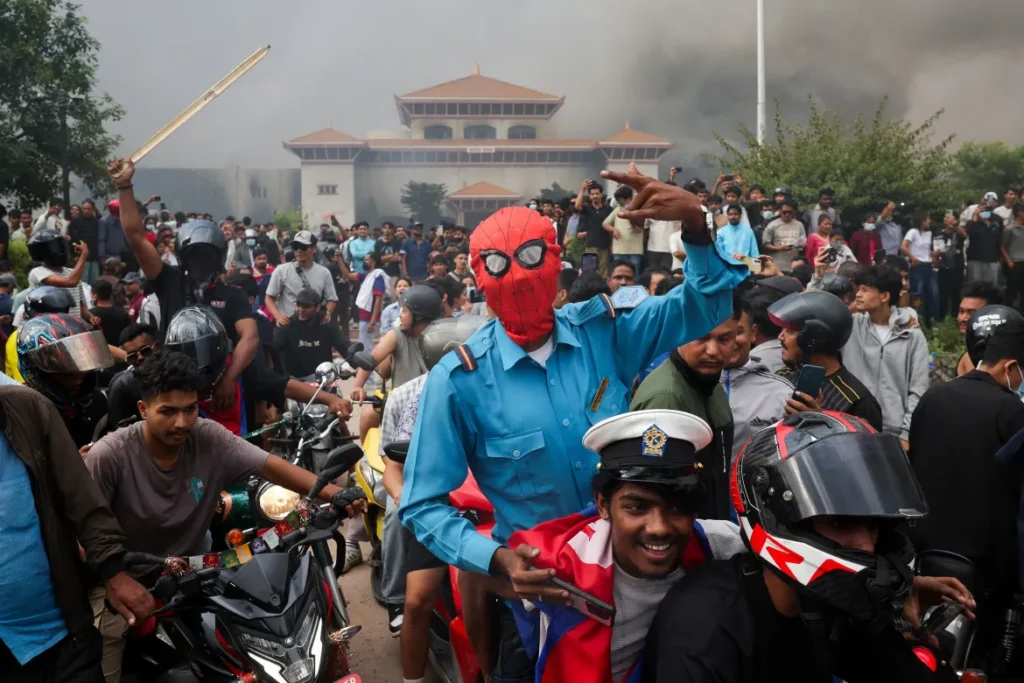
For many protesters, however, hope remains alive. “We started this movement so we could make a better Nepal,” said 24-year-old James Karki.
What You Should Know
Sushila Karki, Nepal’s former chief justice, has become the country’s new prime minister after mass anti-corruption protests toppled the government.
Her appointment, backed by young activists, marks a historic transition as Nepal prepares for 2026 elections amid deep political unrest, economic hardship, and demands for reform.