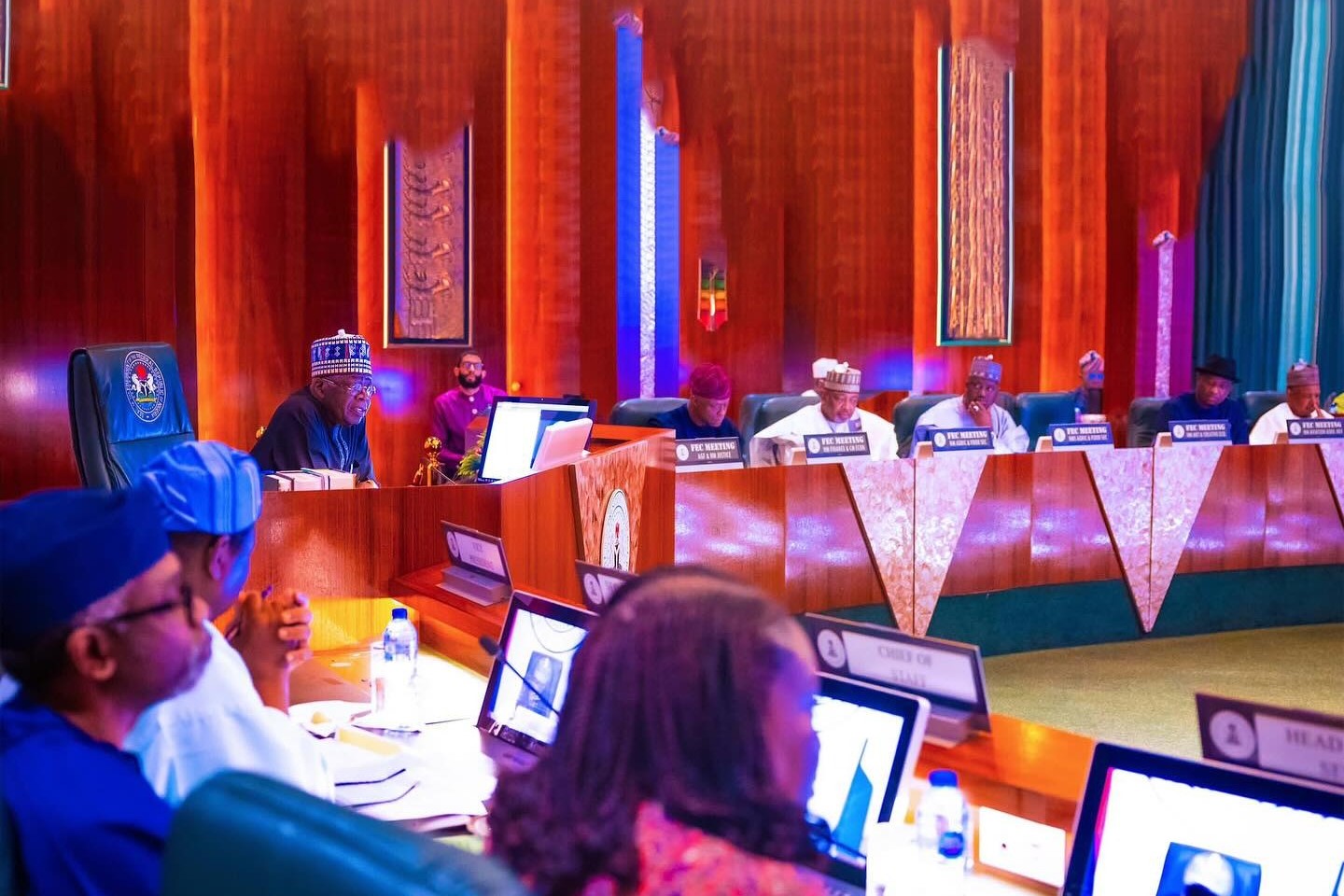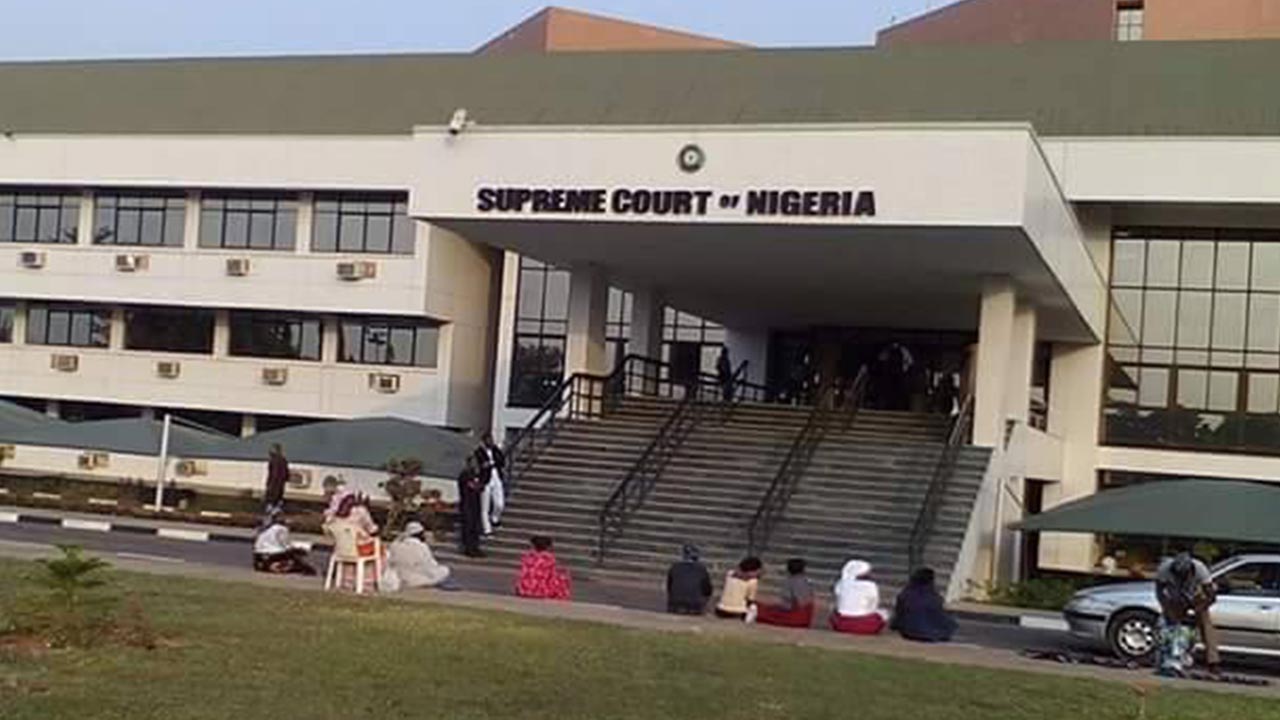
The Supreme Court has ruled that the President possesses the constitutional authority to proclaim a state of emergency in any state where there is a serious threat to public order, chaos, or a complete breakdown of law and order.
In a closely divided judgment of six justices against one, the apex court determined that once a state of emergency is declared, the President may suspend elected officials, provided such suspension is not indefinite and remains within a clearly limited timeframe.
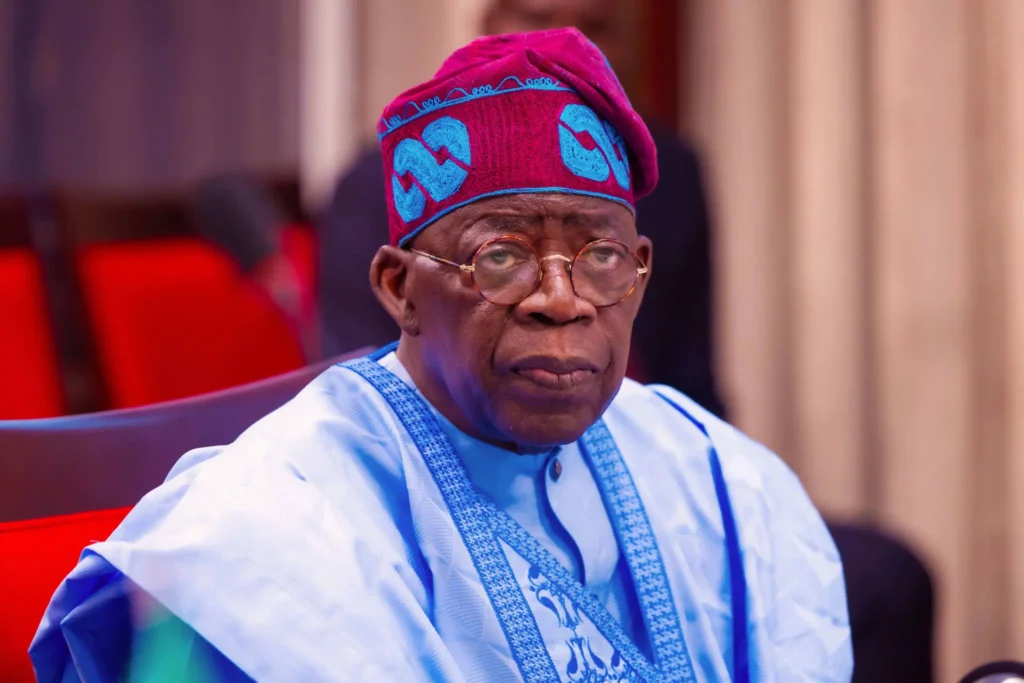
Delivering the lead majority judgment, Justice Mohammed Idris explained that Section 305 of the 1999 Constitution grants the President the power to adopt extraordinary steps to restore peace and stability in areas placed under emergency rule.
Justice Idris observed that Section 305 does not expressly define or limit the type of extraordinary actions the President may take, thereby allowing the President a measure of discretion in determining appropriate interventions during such periods.
The ruling arose from a suit instituted by Adamawa State alongside 10 other states governed by the Peoples Democratic Party, who questioned the legality of the state of emergency declared by President Bola Tinubu in Rivers State.

During that emergency declaration, elected officials of the state, including Governor Siminalayi Fubara, were suspended for a six-month period.
Earlier in the judgment, Justice Idris upheld the preliminary objections raised by the defendants, namely the Attorney General of the Federation and the National Assembly, challenging the competence of the suit.
He held that the plaintiff states failed to establish a valid cause of action that could invoke the original jurisdiction of the Supreme Court. On that basis, he struck out the suit for lack of jurisdiction. Nevertheless, he proceeded to consider the substantive issues raised and ultimately dismissed the case on its merits as well.
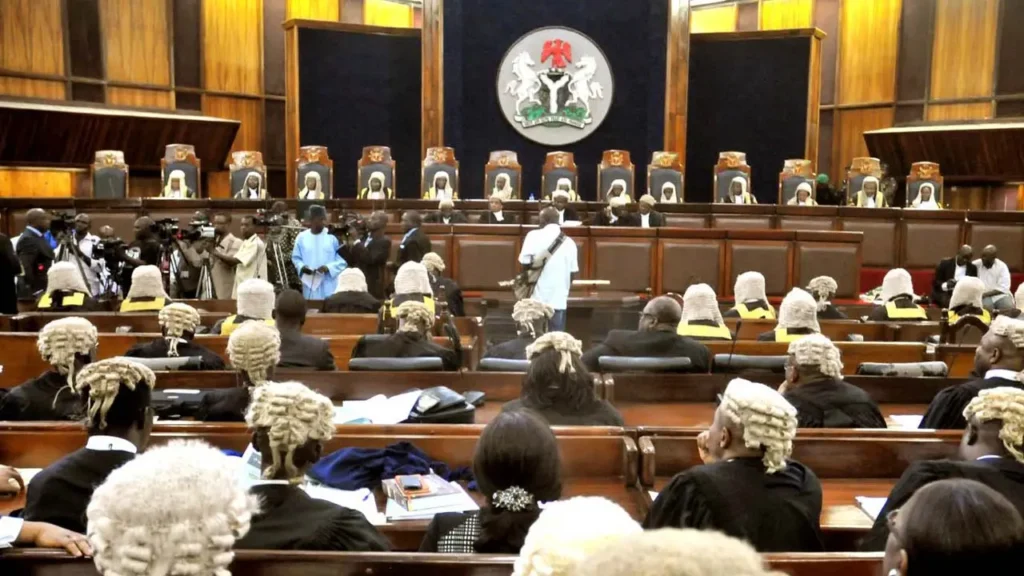
In a dissenting opinion, Justice Obande Ogbuinya disagreed with the majority in part. He ruled that while the President indeed has the power to declare a state of emergency, such authority does not extend to the suspension of elected state officials, including governors, deputy governors, and members of state legislatures.
The judgment has further clarified the scope and limits of presidential emergency powers, reinforcing both executive authority and constitutional restraint.
What you should know
The Supreme Court’s decision clarifies the scope of presidential emergency powers under Section 305 of the Constitution.
While affirming that the President can declare a state of emergency and take extraordinary measures to restore order, the court emphasized that any suspension of elected officials must be temporary and limited in duration. The ruling arose from a challenge by 11 PDP-led states over the emergency declaration in Rivers State.
Although the case was struck out on jurisdictional grounds, the court still addressed the substantive issues, producing a split decision that reflects ongoing constitutional debate over the balance between emergency powers and democratic governance.