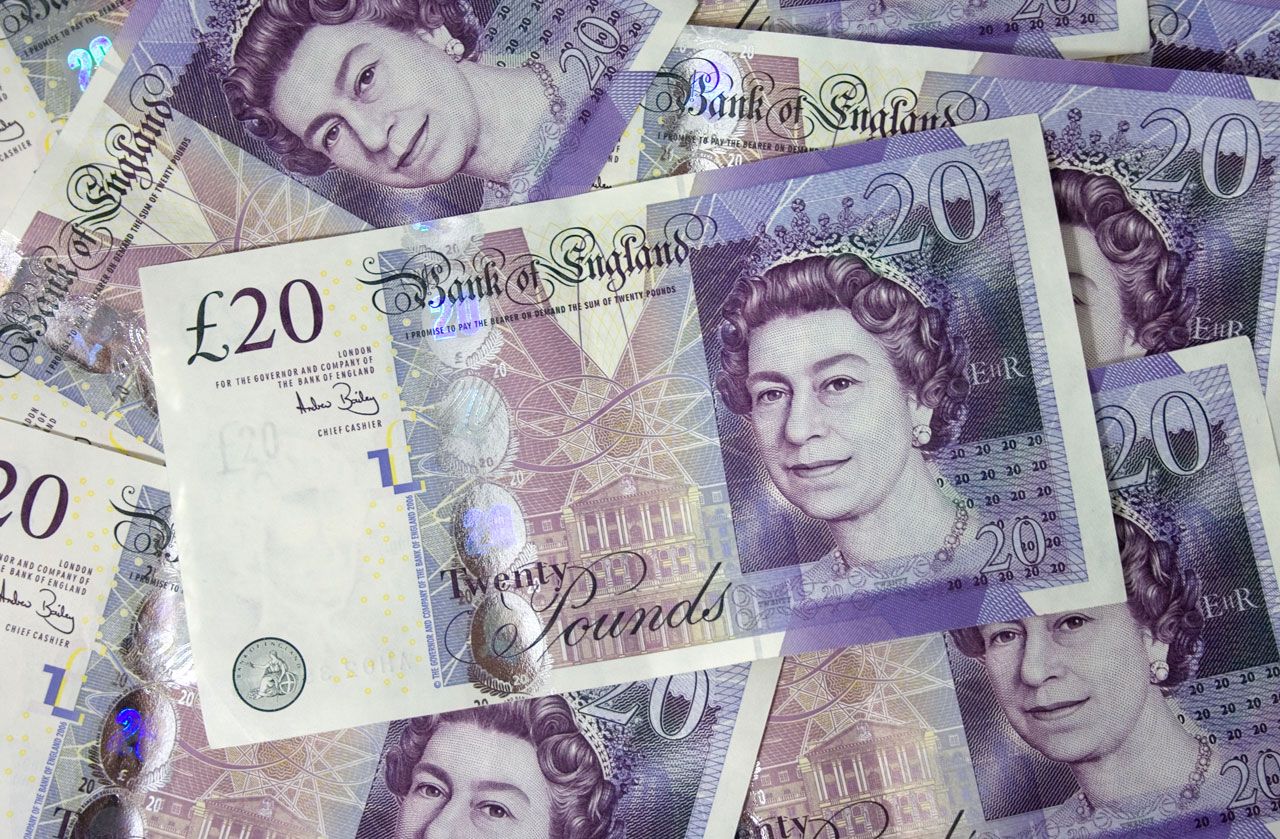
The pound sterling posted modest gains against a weakening U.S. dollar on Friday, as currency markets grappled with disappointing economic data and positioned themselves ahead of critical policy statements from Britain’s central bank chief.
Sterling climbed 0.1% to $1.3449 by mid-morning trading at 1040 GMT, though it slipped an identical margin against the euro to 87.25 pence, reflecting continued caution among investors navigating Britain’s uncertain fiscal landscape.
Economic Headwinds Mount
The gains came despite fresh evidence of economic deceleration, with Friday’s Purchasing Managers’ Index survey revealing that British business activity expanded at its weakest pace in five months during September. The slowdown reflects a growing hesitancy among companies and consumers alike, who are deferring major spending commitments while bracing for potential tax increases in the upcoming autumn budget.
“We’re seeing a clear pattern of wait-and-see behavior,” noted one senior currency strategist. “Businesses are essentially hitting pause until they understand the full implications of what’s coming in November.”
The cooling activity follows Thursday’s Bank of England survey, which painted an even more concerning picture: British firms reported their weakest hiring intentions since the depths of the pandemic in 2020, while simultaneously projecting the fastest consumer price inflation since early 2024—a troubling combination that complicates the central bank’s policy calculus.
All Eyes on Bailey
Market attention was firmly fixed on Bank of England Governor Andrew Bailey, who was scheduled to deliver a keynote address at a farewell symposium for Dutch central bank chief Klaas Knot later Friday. Traders and analysts were parsing every word for clues about the BoE’s monetary policy trajectory.
Matthew Ryan, head of market strategy at Ebury, suggested that if Bailey addresses monetary policy directly, he would likely align with the more hawkish members of the Monetary Policy Committee. “We think that he will indicate to markets that persistent inflation pressures are likely to put pay to further cuts during the rest of the year,” Ryan said.
Current market pricing reflects expectations that the BoE will hold rates steady at its November 6 meeting, with traders anticipating just two additional rate cuts throughout 2025—a notably cautious outlook that underscores concerns about sticky inflation.
Budget Looms Large
Adding to sterling’s challenges is the approaching budget statement from Finance Minister Rachel Reeves, scheduled for eight weeks hence. The October announcement has cast a long shadow over currency markets, with speculation mounting about potential tax increases and spending adjustments as the new Labour government seeks to address Britain’s fiscal position.
Ipek Ozkardeskaya, senior analyst at Swissquote Bank, described the pound—often referred to as “cable” in foreign exchange markets—as “unappealing” given the mounting budget pressures. She pointed to elevated yields on British government bonds, known as gilts, which have been diverging from U.S. 10-year Treasury yields in recent sessions.
“That’s a drag on sterling, as higher yields narrow fiscal headroom, raise the chance of further tax hikes or spending cuts, and lower UK growth expectations,” Ozkardeskaya explained, highlighting the self-reinforcing nature of Britain’s fiscal challenges.
The combination of slowing growth, persistent inflation concerns, and fiscal uncertainty has left sterling in a precarious position, supported primarily by broader dollar weakness rather than any particular strength in Britain’s economic fundamentals.
As markets await clarity from both Threadneedle Street and the Treasury, the pound’s trajectory remains hostage to policy decisions that could reshape the UK’s economic outlook for months to come.
WHAT YOU SHOULD KNOW
Business activity is slowing to five-month lows, companies are freezing hiring and major spending decisions, yet inflation remains stubbornly high—leaving the Bank of England in a bind. With Finance Minister Rachel Reeves’ budget just eight weeks away and potential tax hikes looming, both businesses and currency traders are in a wait-and-see mode.
Sterling’s modest gains mask deeper concerns about Britain’s economic trajectory, as markets brace for difficult fiscal choices ahead that could either steady the ship or amplify the headwinds.