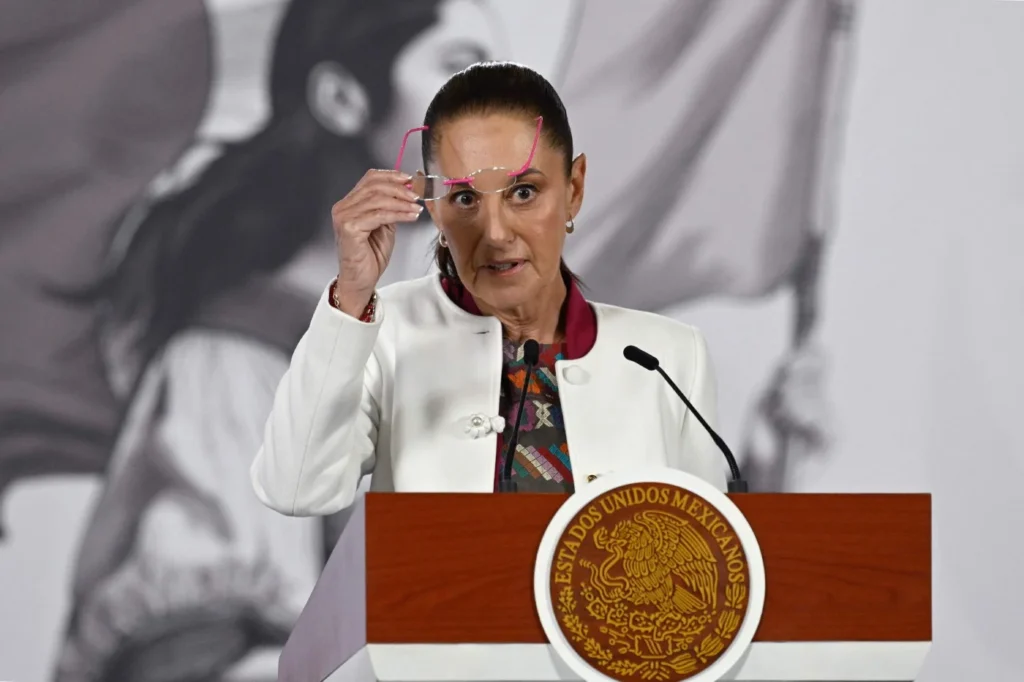
Mexico’s President, Claudia Sheinbaum, on Monday firmly rejected suggestions that the Americas fall under the control of any single nation, responding to remarks by US President Donald Trump in which he asserted Washington’s dominance over the hemisphere following a US military operation that resulted in the capture of Venezuela’s leader.
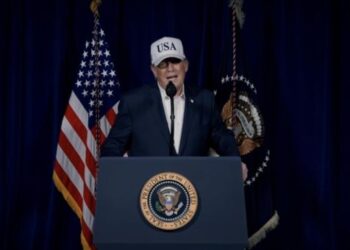
Trump, reacting to the weekend operation that targeted leftist Venezuelan President Nicolas Maduro, framed the action as a modern reinterpretation of the Monroe Doctrine, the 1823 policy announced by former US President James Monroe that sought to block European influence in Latin America.
Speaking at a news conference, Trump said, “The Monroe Doctrine is a big deal, but we’ve superseded it by a lot, by a real lot. They now call it the Donroe document,” effectively attaching his name to the long-standing foreign policy principle. He went further to declare that “American dominance in the Western Hemisphere will never be questioned again.”
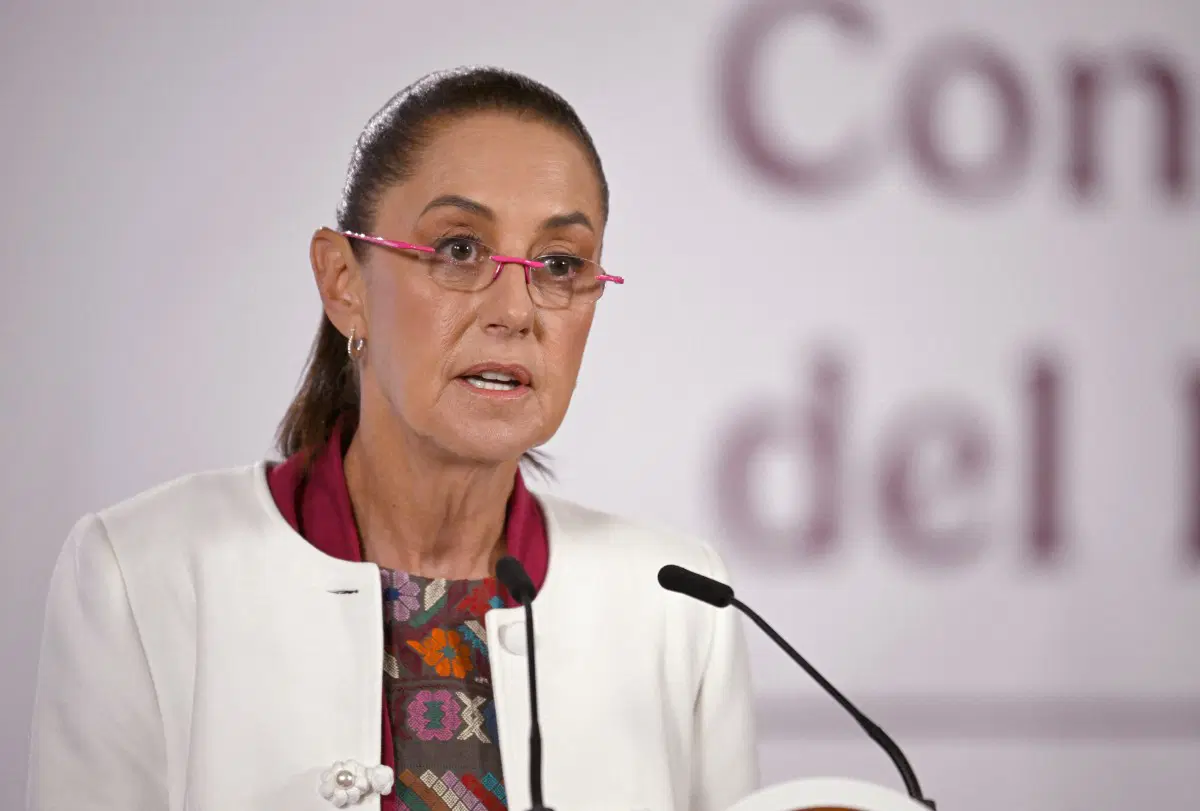
Sheinbaum responded sharply to the comments, emphasizing national sovereignty and regional independence. “The Americas do not belong to any doctrine or any power. The American continent belongs to the peoples of each of the countries that comprise it,” she said, distancing Mexico and the wider region from Washington’s assertions.
The remarks followed a dramatic US military action early Saturday, when American forces carried out strikes on Caracas, Venezuela’s capital, and captured Maduro along with his wife. Both were flown to New York, where they are expected to face trial on allegations related to drug trafficking.
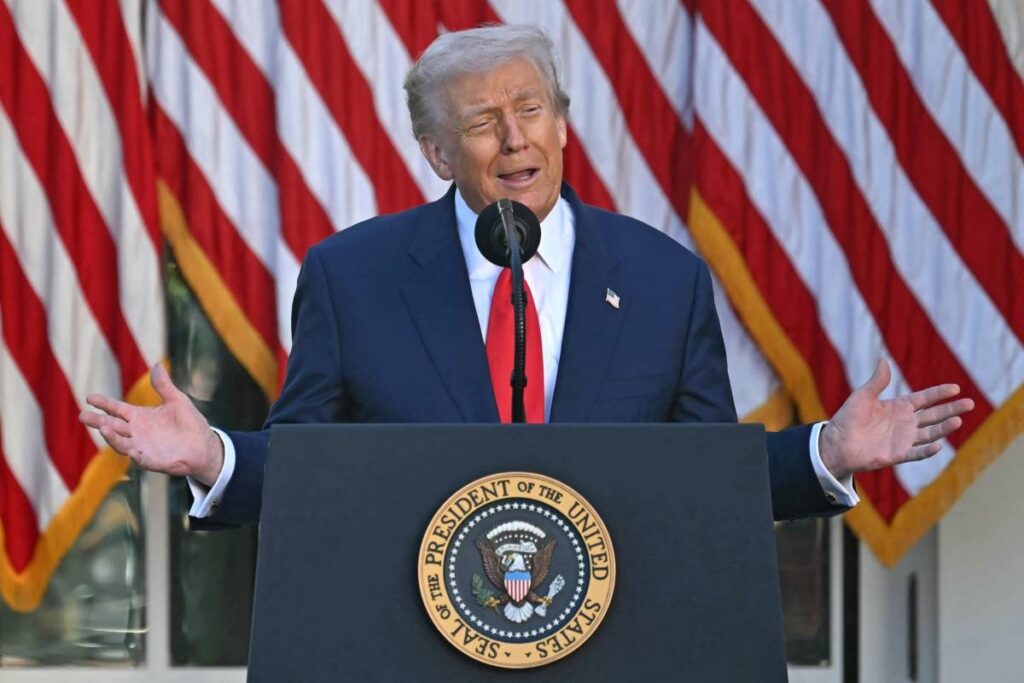
In the aftermath of the operation, Trump has also issued warnings toward other left-leaning governments across the region. Countries mentioned include Cuba, Colombia and Mexico, with the US president specifically urging Mexico to intensify efforts against drug trafficking or face further consequences.
What you should know
This exchange highlights growing tensions between the United States and several Latin American countries following a rare and aggressive US military action against a sitting head of state.
Trump’s reference to an expanded version of the Monroe Doctrine signals a more assertive US posture in the region, while Sheinbaum’s response reflects broader concerns among Latin American leaders about sovereignty and foreign intervention.
The situation raises questions about regional stability, international law and how other governments in the Americas may respond to Washington’s increasingly forceful approach.