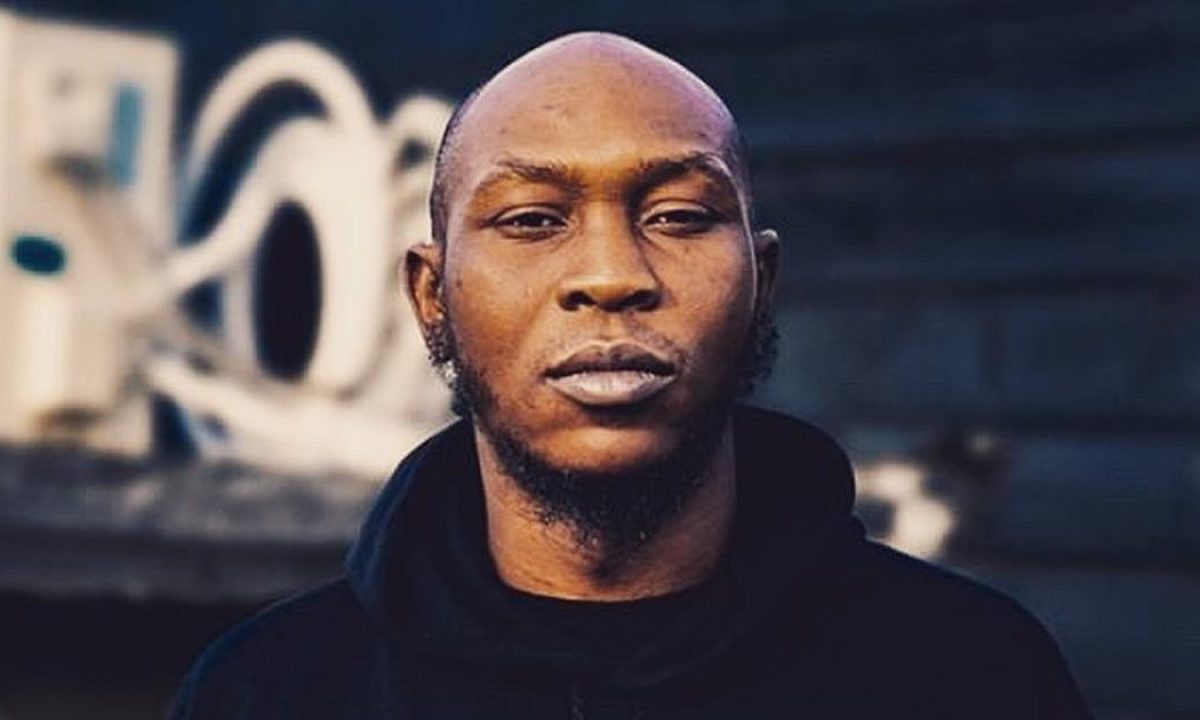
Grammy-nominated musician Seun Kuti has ignited fresh controversy in Nigeria’s music industry by sharply rebuking fans who draw parallels between contemporary Afrobeats star Wizkid and his legendary father, Fela Anikulapo-Kuti, the pioneering architect of the Afrobeat genre.
In a candid Instagram livestream that has since sparked widespread debate across social media platforms, the younger Kuti delivered a scathing assessment of what he characterized as disrespectful comparisons, specifically targeting Wizkid’s devoted fanbase, commonly known as “Wizkid FC.”
“Wizkid FC, keep Fela’s name out of your mouths,” Kuti declared during the broadcast, his tone conveying both frustration and protective reverence for his father’s artistic legacy. The saxophonist and bandleader accused fans of attempting to position the “Ojuelegba” hitmaker as a modern equivalent to the late Afrobeat maestro, a claim he dismissed as fundamentally inappropriate.
Kuti’s critique extended beyond mere artistic comparison, delving into what he perceives as a deeper crisis of understanding within contemporary fan culture. “You try to claim that your fake artist is the new Fela. Then, when you people saw that the shoes were too big to fill and people like me also did not allow you to get away with those insults… It is actually an insult,” he stated emphatically.
The musician, who has dedicated much of his career to preserving and advancing his father’s musical and political legacy through his own work with the Egypt 80 band, distinguished between what he called principled defiance and simple ignorance. “I like it when people don’t have respect as a form of defiance. If your lack of respect came from a place of defiance, I will respect it. But your lack of respect came from a place of ignorance,” Kuti explained, suggesting that the comparisons stem from a fundamental misunderstanding of both artists’ contributions.
Expanding his criticism to address broader dynamics within Nigeria’s booming music industry, Kuti lamented how fan rivalries have created toxic divisions that affect professional relationships between artists. “The overzealousness of some fans has significantly affected the music industry negatively. Some artists can’t even collaborate because of fan rivalries,” he observed, pointing to an increasingly fractious environment that prioritizes partisan loyalty over artistic appreciation.
In perhaps his most provocative assessment, Kuti questioned the spiritual satisfaction Wizkid’s fans derive from their idol’s music. “I think Wizkid FC is the most ignorant fanbase in the world,” he declared. “Can’t you enjoy their music without comparing it to something else? Do you know why you cannot enjoy your artist’s music without comparing it to something else? It is because the music does not fill your spirit. You can pretend to be enjoying it, but spiritually, you are not satisfied.”
The controversy highlights ongoing tensions between generations of Nigerian musicians and competing visions of what constitutes authentic Afrobeat versus the commercially successful but stylistically distinct Afrobeats genre that has achieved global prominence in recent years. While Fela’s Afrobeat was characterized by complex polyrhythmic structures, extended instrumental passages, and explicitly political messaging, contemporary Afrobeats artists like Wizkid have crafted a more melodic, pop-oriented sound that blends African rhythms with global influences.
The debate, however, continues to rage across Nigerian social media, with passionate defenders and critics weighing in on both the substance of Kuti’s arguments and the manner in which he delivered them.
As Nigeria’s music industry continues its unprecedented global ascent, questions about artistic legacy, generational respect, and the role of fan culture in shaping public discourse remain subjects of intense debate within the creative community.
WHAT YOU SHOULD KNOW
Seun Kuti has firmly rejected comparisons between Wizkid and his father, the legendary Fela Kuti, calling such parallels disrespectful and insulting to the Afrobeat pioneer’s legacy.
His central argument is twofold: first, that Wizkid’s contemporary Afrobeats style is fundamentally different from Fela’s politically charged, complex Afrobeat sound; and second, that the obsessive fan culture driving these comparisons reflects ignorance rather than genuine musical appreciation.
Kuti suggests that fans who constantly compare their favorite artists to legends may be compensating for a lack of spiritual fulfillment from the music itself. The controversy underscores growing tensions between generations in Nigeria’s music industry and raises important questions about respecting artistic legacies while celebrating contemporary success.