Serbia’s upcoming World Cup qualifying match against Albania will no longer take place in Belgrade, with the Serbian Football Association (FSS) confirming that the fixture has been moved to the southern city of Leskovac due to security concerns.
UEFA approved the request to shift the October 11 game away from the capital after both Serbia and Albania agreed to the change.
“The key reason is security, not only for the fans but above all for the players and everyone else involved in the match,” the FSS said in a statement released late Monday. It emphasized that such fixtures carry “the highest level of risk” and require strict measures to prevent a repeat of past incidents.
The FSS was referring to a notorious clash in 2014, when a drone carrying a flag promoting a “Greater Albania” depicting an expanded Albanian state that included Kosovo hovered over the pitch. The episode sparked chaos as angry fans stormed the field, leading to the abandonment of the match.
Kosovo, which declared independence from Serbia in 2008, remains a central source of tension between the two nations following the brutal 1998-1999 conflict between ethnic-Albanian fighters and Serbian forces, which ended with Belgrade’s withdrawal.
When the sides met in Tirana earlier in the current qualifying campaign, the game ended goalless but saw Albania sanctioned by FIFA for fan misconduct, including “discriminatory behaviour” and the use of fireworks.
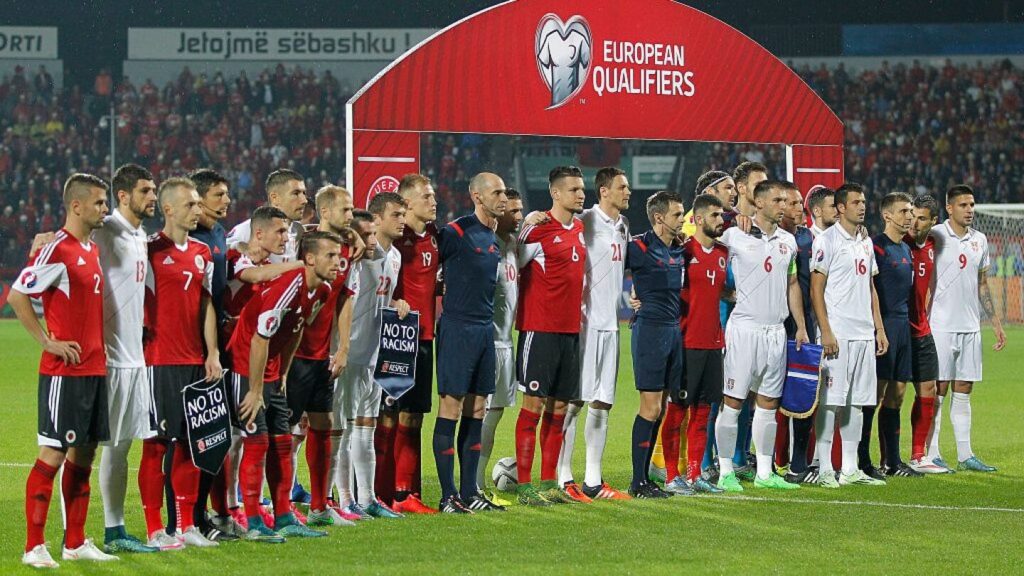
Their 2015 meeting in Elbasan was played under heavy security, with tensions so high that reports emerged of Serbia’s team bus being pelted with stones before the game.
Serbian football has also faced recent scrutiny. FIFA sanctioned the FSS over “discrimination and racist abuse” from fans during a June clash with Andorra, while last week’s 5-0 loss to England in Belgrade was marred by hostile scenes in the stands.
According to the FSS, “Relocating and organising the match in Leskovac significantly reduces the risk of potential incidents.” The newly built Dubocica Stadium, opened two years ago, seats just over 8,000 spectators, a sharp reduction compared to the 52,000-capacity Belgrade venue originally slated to host the match.
As it stands, England lead the qualifying group, Albania sit second, and Serbia are third, making the October encounter crucial for both sides.
What you should know
The Serbia-Albania rivalry extends far beyond football, rooted in historical and political disputes, particularly over Kosovo.
With past matches overshadowed by violence, fan misconduct, and political provocations, UEFA approved moving next month’s qualifier to Leskovac for safety. The smaller venue aims to limit risks while Serbia pushes to keep pace in its World Cup qualifying group.