The Socio-Economic Rights and Accountability Project (SERAP) has urged the Attorney General of the Federation, Lateef Fagbemi, to take immediate steps to enforce a court judgment directing him and President Bola Tinubu to publicly release the names of individuals indicted in the alleged mismanagement of ₦6 trillion linked to abandoned projects and the operations of the Niger Delta Development Commission (NDDC) between 2000 and 2019.
The judgment, delivered on Monday, 10 November, by Justice Gladys Olotu, followed a Freedom of Information suit marked FHC/ABJ/CS/1360/2021, which was instituted by SERAP. In the ruling, the court also ordered the Attorney General and the President “to publish and make available to the public the NDDC forensic audit report submitted to the federal government on September 2, 2021.”

In a letter dated 13 December 2025 and signed by SERAP’s deputy director, Kolawole Oluwadare, the organisation criticised what it described as continued inaction by the authorities. According to the group, “The continuing failure and/or refusal to publicly acknowledge the judgment and immediately enforce it makes a mockery of the country’s legal and judicial processes and the rule of law.”
SERAP drew attention to Section 287(1) of the 1999 Constitution, noting that court decisions “shall be enforced in any part of the Federation by all authorities and persons.” The organisation stressed that this provision leaves no room for discretion or exception, insisting that failure to act amounts to a serious violation of the Constitution and an attack on the rule of law.
The letter further warned that ignoring the ruling could expose responsible officials to contempt proceedings, including personal liability. SERAP maintained that compliance would reinforce constitutional supremacy, strengthen Nigeria’s international obligations, and demonstrate respect for judicial authority.
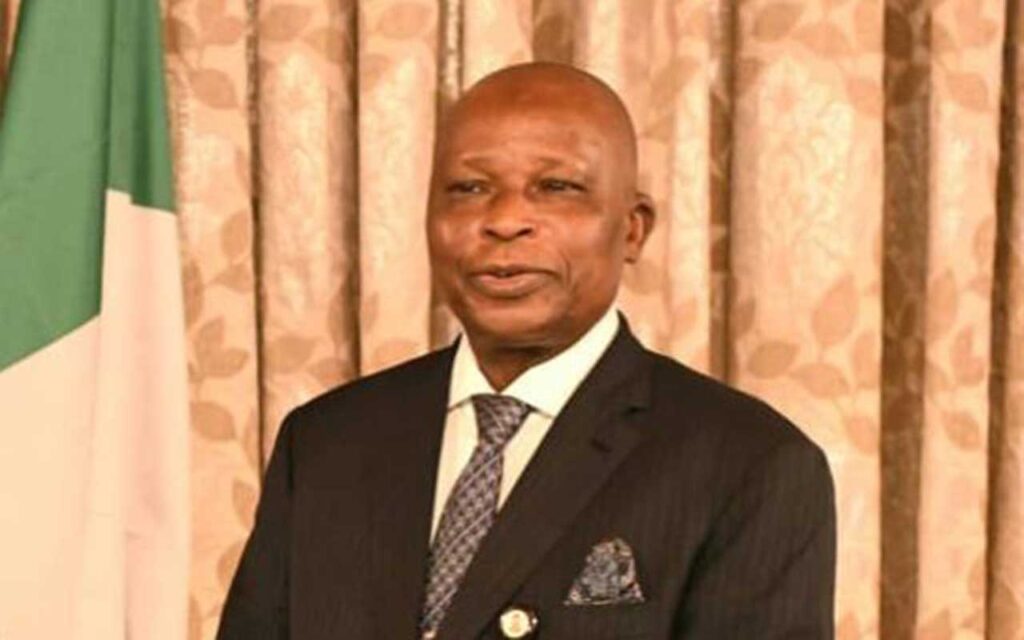
Emphasising the responsibilities of the Attorney General as the Chief Law Officer of the Federation, SERAP stated that he is duty-bound to uphold the Constitution, advise the government to align its actions with court decisions, and act in the public interest. It argued that the judgment by Justice Olotu is “not advisory; it is final, binding, and immediately enforceable” against both the Attorney General and the President.
The organisation expressed concern that continued non-compliance was encouraging corruption and impunity within ministries, departments, and agencies, and was inconsistent with Nigeria’s international human rights commitments. It described the situation as unacceptable, warning that disobedience to court orders undermines the integrity of the legal system.
SERAP said that prompt enforcement of the judgment would signal a genuine commitment by the Tinubu administration to ending long-standing impunity for corruption, restoring public confidence, and improving transparency and accountability in the management of national resources, particularly within the NDDC.
The group also cited the Supreme Court’s position in Governor of Lagos State v. Ojukwu (1986), recalling the court’s warning that “The rule of law presupposes that the state is subject to the law. The government should be the first to obey the law,” and that a government which disobeys court orders “invites anarchy.”
SERAP concluded by giving the Attorney General seven days to act on the judgment, warning that failure to do so would compel the organisation to consider contempt proceedings to enforce compliance. It also referenced Justice Olotu’s finding that the NDDC forensic audit report and the names of those indicted qualify as public records under the Freedom of Information Act and are not exempt from disclosure, as they relate directly to the management of public funds.
What you should know
The court ruling at the centre of SERAP’s demand relates to allegations of massive financial mismanagement within the NDDC over nearly two decades.
By law, information concerning the use of public funds falls under public records and must be disclosed upon request. SERAP argues that releasing the forensic audit report and the names of those indicted is essential to fighting corruption, strengthening accountability, and rebuilding trust in government institutions.
The organisation believes that continued refusal to comply not only violates the Constitution but also weakens Nigeria’s credibility in upholding the rule of law and its international obligations.