The Senate has begun an investigation into operational lapses and rising security concerns within Nigeria’s railway system, following mounting complaints over poor service delivery across major routes.
The probe was initiated after a lawmaker raised a personal explanation during plenary on Thursday, drawing attention to the worsening condition of key rail corridors nationwide.
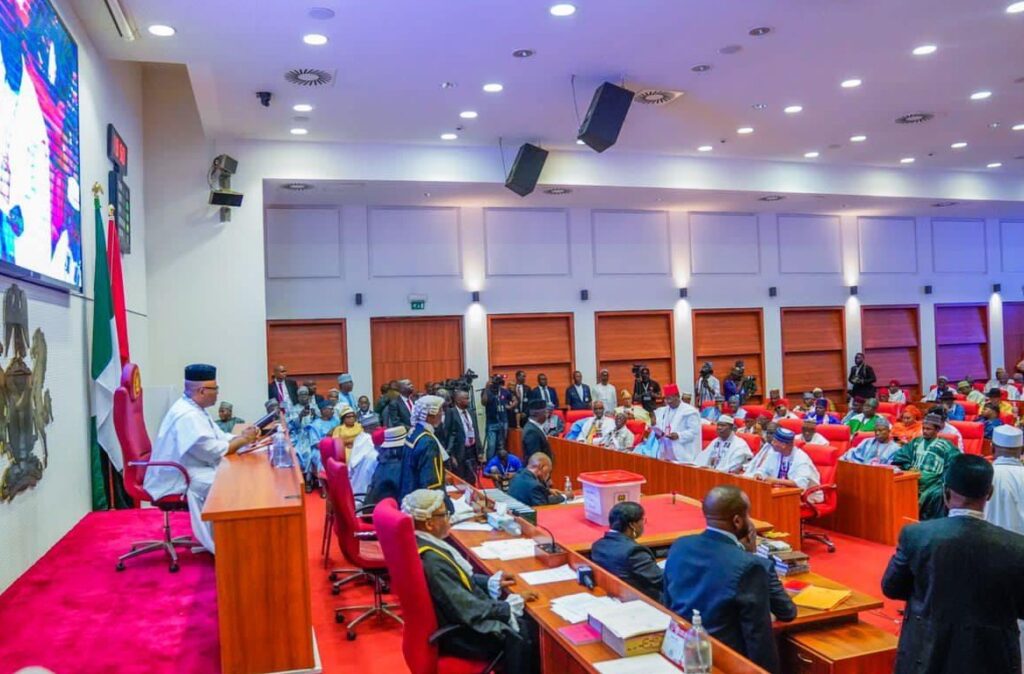
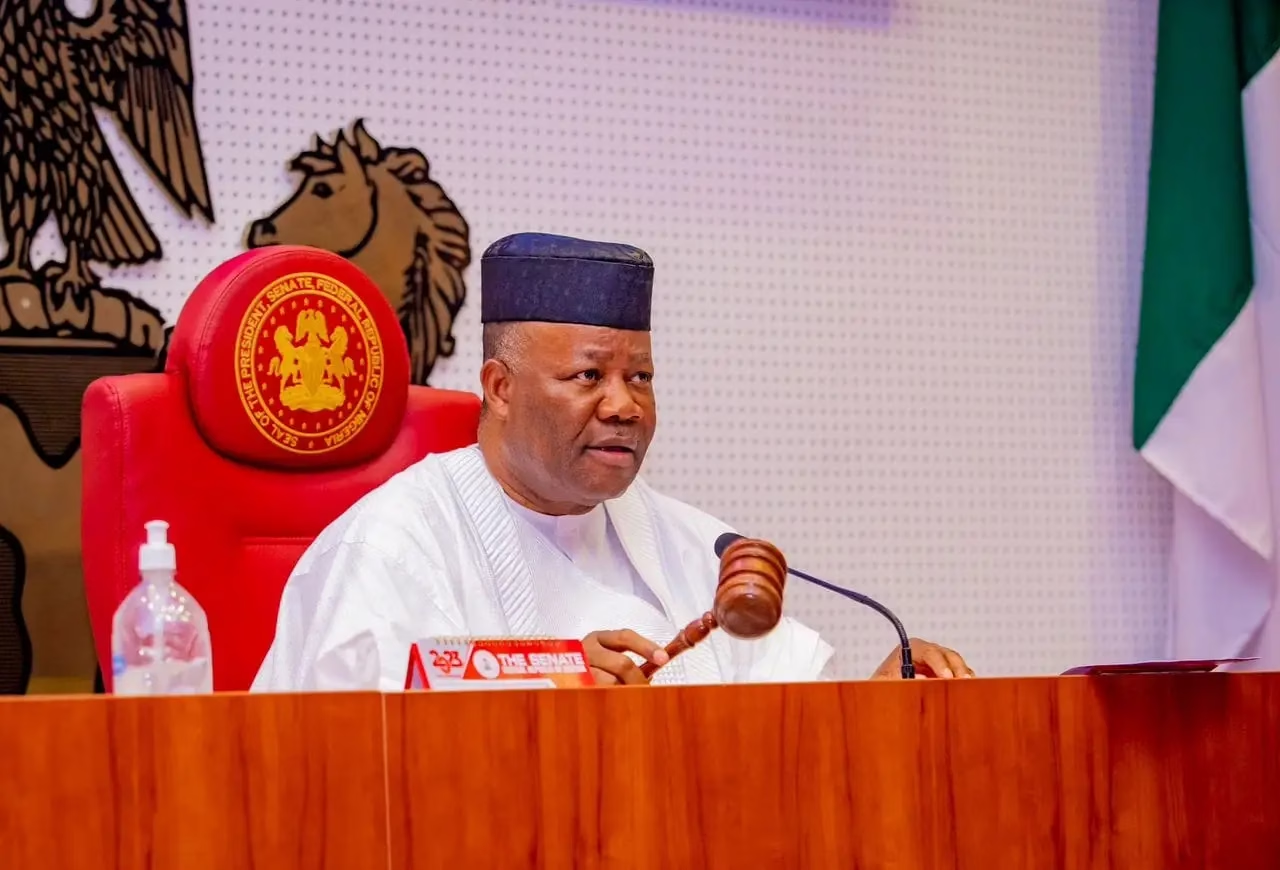
In response, Senate President Godswill Akpabio announced the inauguration of an ad hoc committee tasked with conducting a comprehensive assessment of the railway sector.
The committee is expected to review the implementation of rail projects, funding patterns, operational efficiency and the overall quality of service delivery, and has been given six weeks to submit its findings to the Senate.
Originally set up in November 2025, the committee is chaired by Senator Adams Oshiomhole.
While commenting on the current state of rail services, Akpabio voiced concern over the declining efficiency of the Abuja–Kaduna train service, noting that travel time on the route has worsened significantly. He lamented that the journey had slowed to the extent that a bicycle or Keke Napep could now reach Kaduna faster than the train.
The issue was earlier raised by Senator Abdul Ningi, who alerted the Senate to the poor state of the Abuja–Kaduna–Kano rail line and alleged that the project contract was badly executed.
Ningi further claimed that although the rail line had generated more than 1.8 billion naira in revenue, there had been no visible improvement in service quality.
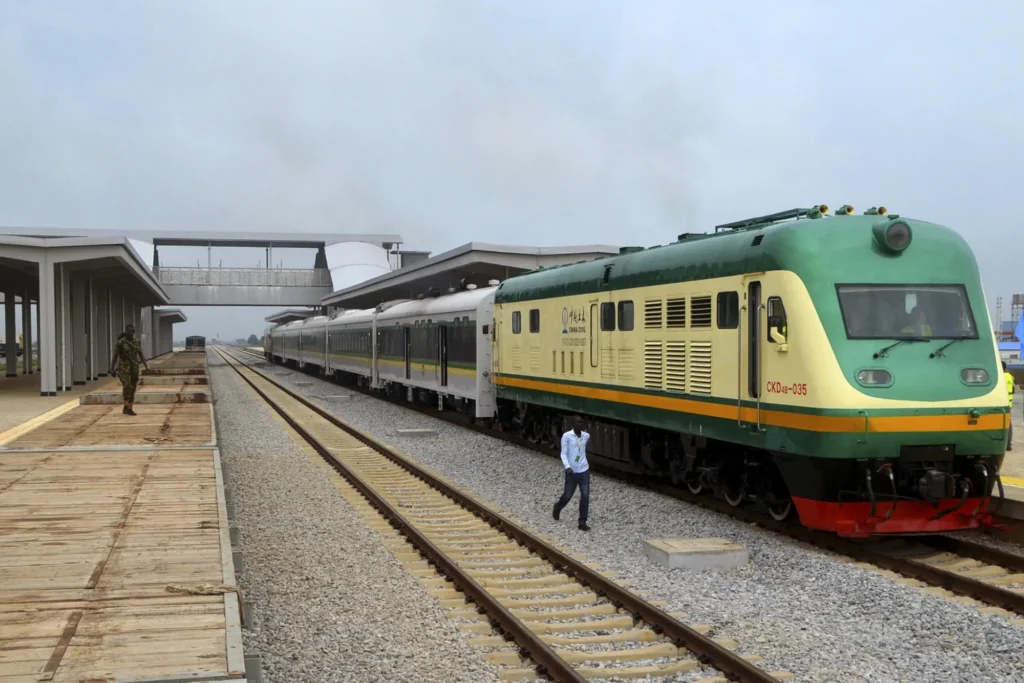
He explained that the travel time between Abuja and Kaduna, which initially stood at about one and a half hours, has now increased to roughly three and a half hours for the same distance.
He also noted a sharp reduction in train operations on the route, stating that services have been cut to a single daily trip, with a departure from Abuja at 7:00 a.m. and a return journey from Kaduna, unlike the multiple daily trips that were previously available.
What you should know
The Senate’s investigation into the Nigerian railway system is driven by growing public frustration over declining efficiency, safety concerns and reduced services on major routes such as Abuja–Kaduna.
Lawmakers are particularly worried that despite significant revenue generation and heavy investment in rail infrastructure, service delivery has continued to deteriorate.
The ad hoc committee’s findings could influence future funding, contract reviews and reforms within the Nigerian Railway Corporation, with the goal of restoring public confidence, improving travel times and enhancing security for passengers.