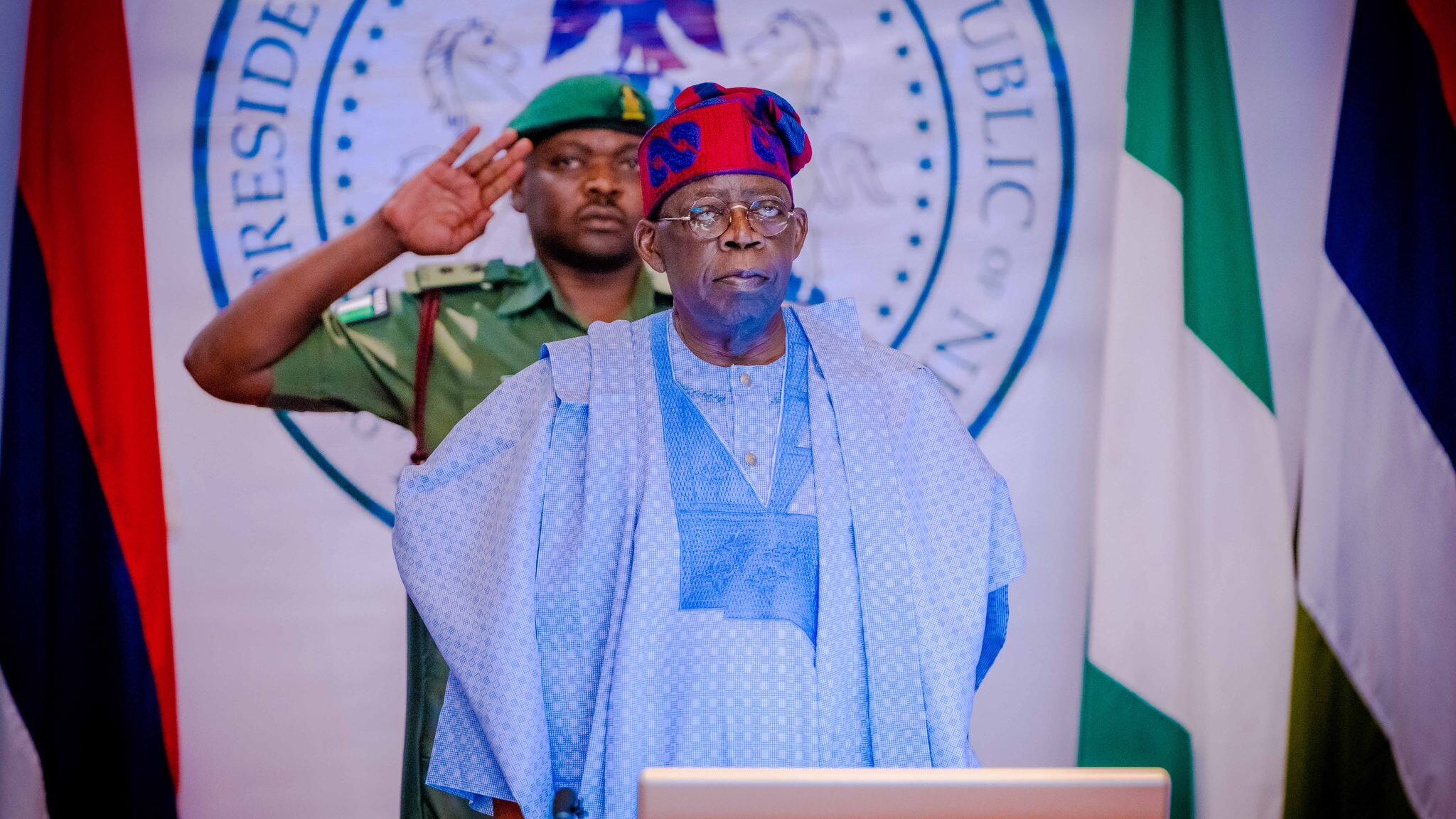
The Senate has instructed its Committee on Police Affairs to look into allegations that President Bola Tinubu’s directive removing police escorts from VIPs is being enforced unevenly across the country.
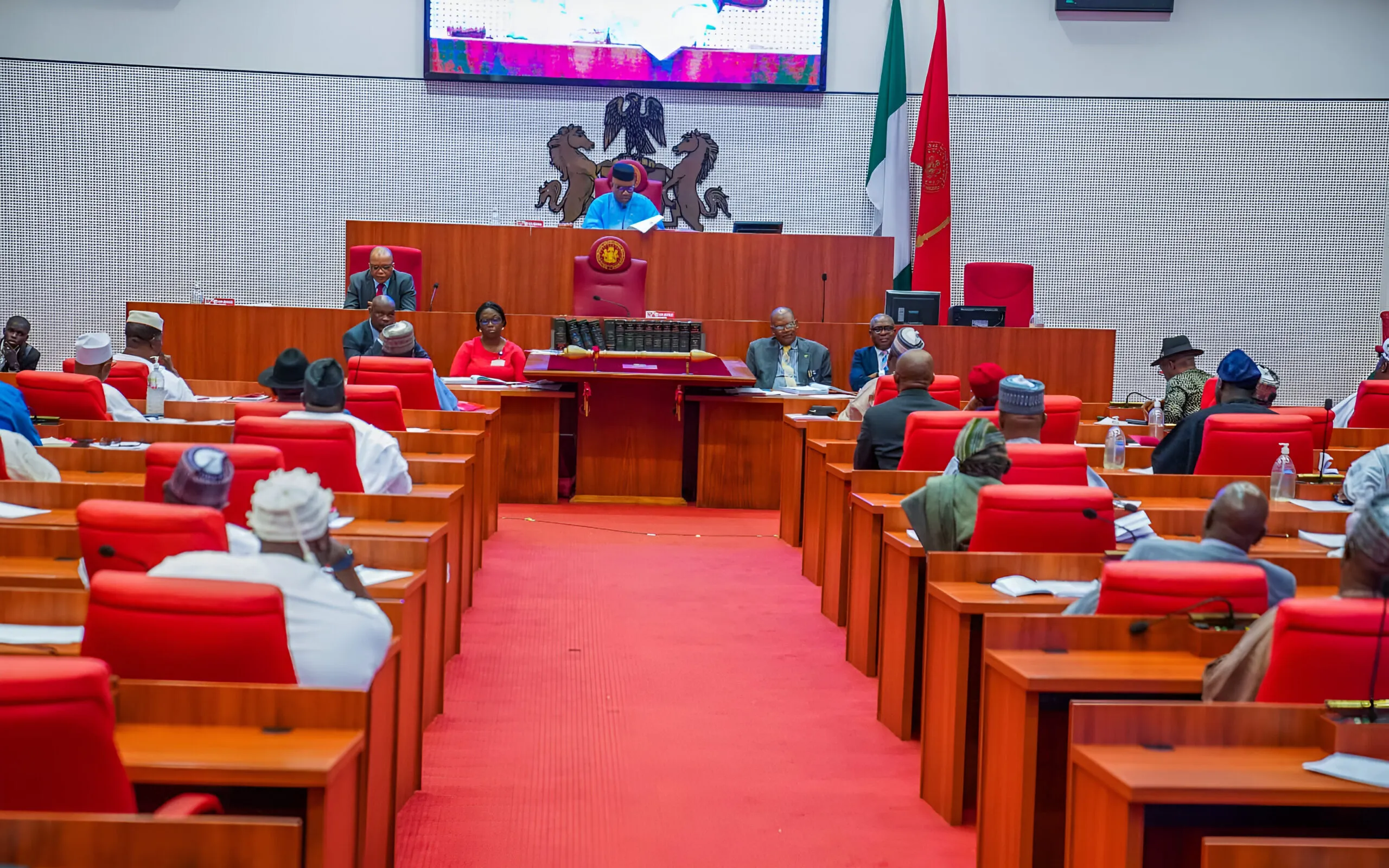
This decision came after Senator Abdul Ningi of Bauchi Central, during plenary, invoked Order 9 to voice his frustration that his only police orderly had been withdrawn, even as other prominent personalities reportedly continued to enjoy full security details.
He argued that ministers, business moguls, political families, and entertainers still moved around with escorts, raising concerns that the order was being applied in a discriminatory manner.
Ningi warned that such selective enforcement could expose legislators to danger and weaken the intent behind the President’s policy, which was announced in November to enhance police efficiency and improve public safety.
He insisted that although he had no reservations about following the President’s instruction, it must be implemented without bias. He maintained that it would be unacceptable for governors, ministers, and influential private individuals to remain fully protected while the National Assembly faced the brunt of the policy. To him, such a development “is unheard of in any democracy,” and must be treated with urgency.
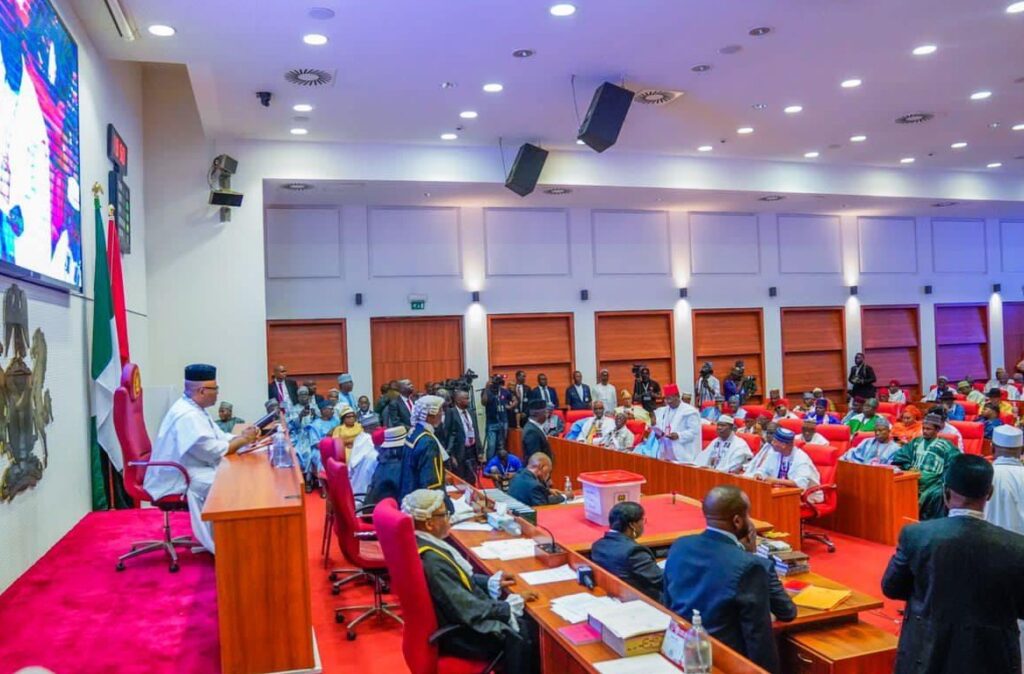
Deputy Senate President Barau Jibrin responded by confirming that the Senate leadership had already deliberated on the matter and recognized that the order seemed to be enforced selectively. He explained that the leadership expected a formal response on the removal of senators’ police orderlies and emphasized that the directive was issued “in good faith” to strengthen internal security.
Jibrin assured senators that steps were being taken to restore their protection. He described the President as attentive and confident that he would address the issue. While affirming the Senate’s support for the President’s security reforms, he stressed that any breach of the directive required a thorough inquiry.
He directed the Committee on Police Affairs to investigate why some individuals still retained police escorts despite the presidential instruction. The committee was given four weeks to present its findings.
What You Should Know
This development reflects rising tension between lawmakers and security agencies over the enforcement of the President’s directive aimed at reducing police assignments to VIPs.
The Senate believes the order was intended to free up personnel for public security, but lawmakers argue that its application has been unfairly targeted at them. The controversy highlights long-standing debates about the extensive use of police escorts by political elites and affluent groups in Nigeria.
As the investigation proceeds, the outcome may reshape how security resources are distributed among public officials, influential individuals, and state institutions.