The Nigerian Senate has taken a decisive step toward aligning the nation’s military laws with global child protection standards by passing the Armed Forces (Repeal and Re-enactment) Bill, 2025, for second reading.
The bill prohibits the recruitment of anyone under 18 into the military, in line with the Child Rights Act (2003), the UN Convention on the Rights of the Child, and the African Charter on the Rights and Welfare of the Child.
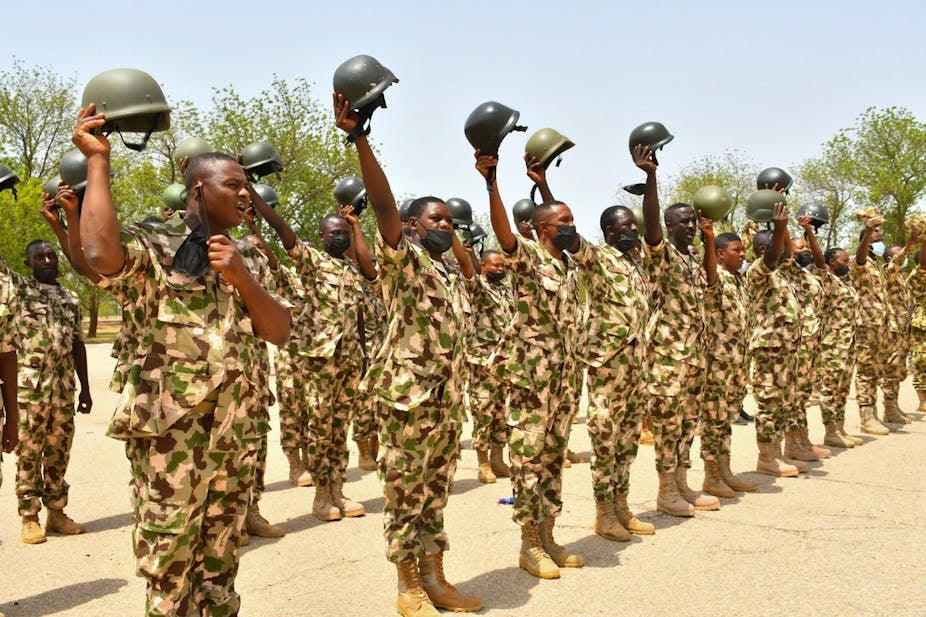
Sponsored by Senator Abdulaziz Yar’Adua (Katsina Central), the bill seeks to repeal the outdated Armed Forces Act of 2004 and replace it with a more modern, constitutionally compliant framework. Yar’Adua said the reform was “long overdue,” emphasizing that the military’s guiding laws have lagged behind Nigeria’s democratic progress and security realities.
The proposed legislation introduces several key reforms, including expanding the definition of military offences, updating penalties, and criminalizing interference in courts-martial to safeguard judicial independence. It also permits legally trained military officers to represent the Armed Forces in civil courts and establishes a standing litigation fund for timely legal processes.
Additionally, obsolete fines as low as ₦200 or ₦500 will be replaced with penalties proportional to offenders’ salaries, making sanctions more meaningful and reflective of current economic realities.

The bill also clarifies the military’s chain of command, placing day-to-day operations under the Chief of Defence Staff while maintaining civilian oversight by the President, as outlined in Section 218 of the Constitution.
The legislation has been referred to the Senate Joint Committee on Army, Navy, and Air Force, which is expected to present its report within four weeks.
What You Should Know
The Armed Forces (Repeal and Re-enactment) Bill, 2025, marks a major step in modernizing Nigeria’s military laws.
By banning underage recruitment, it aligns national defense practices with international child protection standards. The bill also introduces judicial safeguards, modern penalties, and clearer command structures to ensure greater professionalism and accountability in the Armed Forces.
Senator Abdulaziz Yar’Adua’s proposal aims to strengthen civilian control, promote human rights, and bring Nigeria’s military governance in line with democratic and global best practices.