Summary
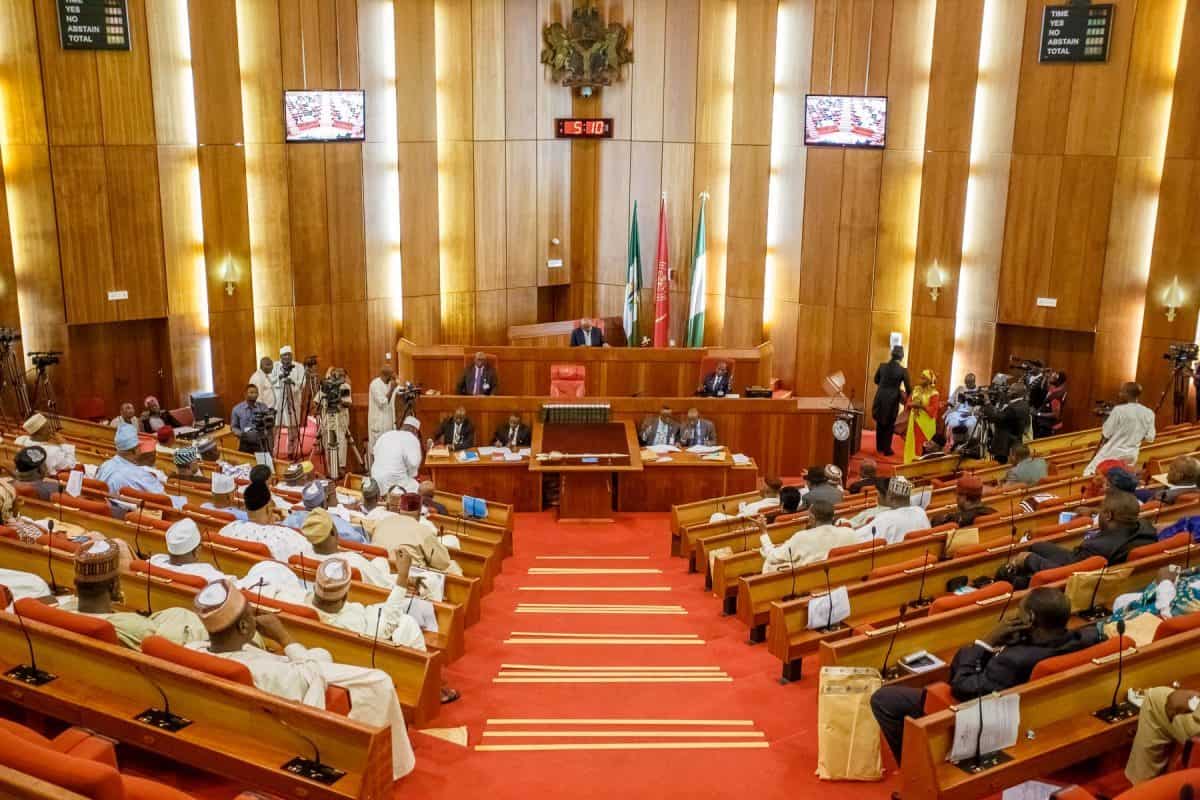
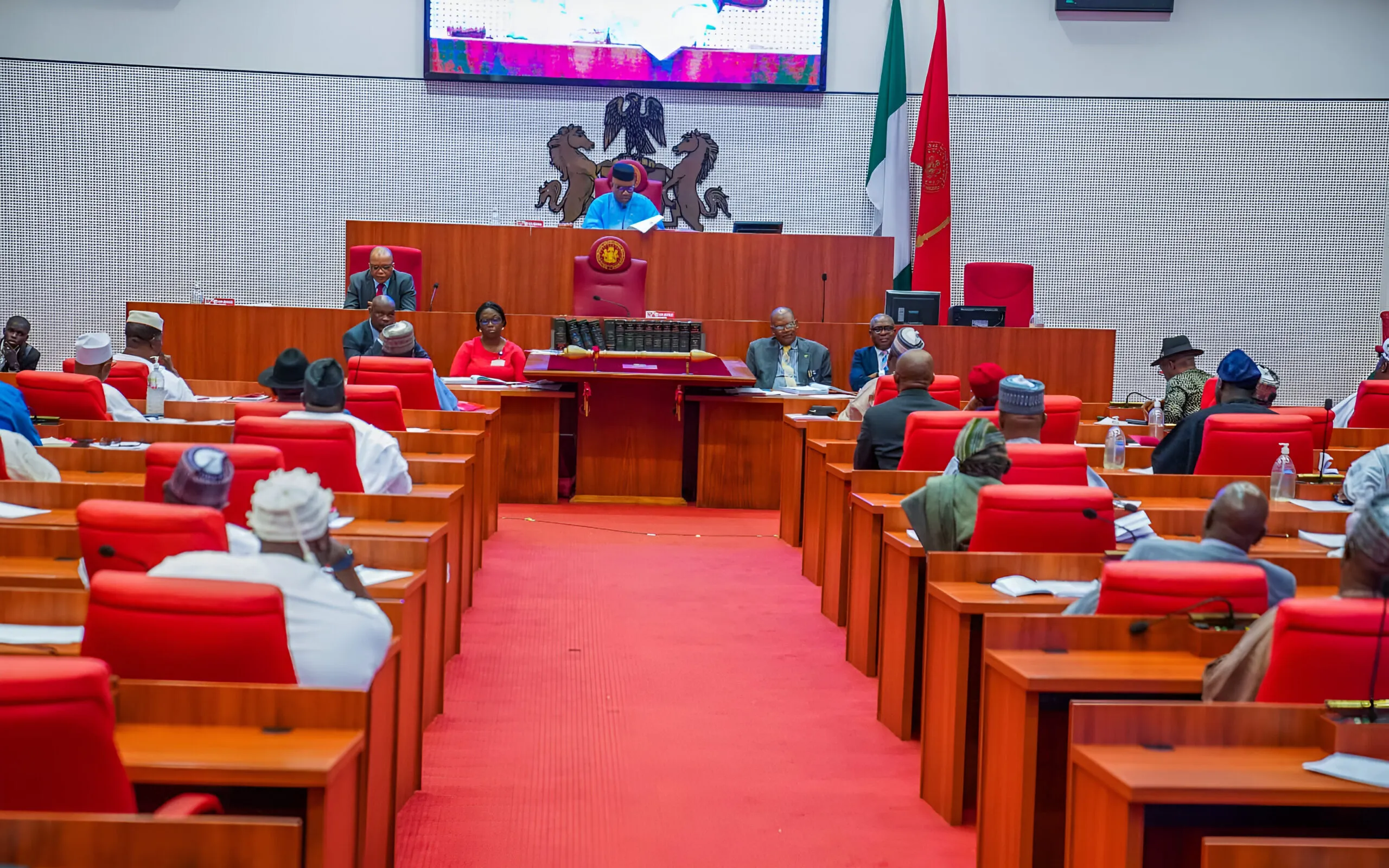
The Senate has opened an intense and emotionally charged debate over Nigeria’s fast-deteriorating security situation, following a motion presented by Senator Lola Ashiru of Kwara South, which emphasized the urgent necessity for sweeping federal action to address worsening violence in Kwara, Kebbi, and Niger states.
His motion drew attention to recent attacks—especially the abduction of schoolchildren in Kebbi—and concerns surrounding alleged troop withdrawals and compromised operations in several affected areas.
Deputy Senate President Barau Jibrin argued that although Nigeria’s current security challenges are severe, they remain solvable. However, he stressed that the nation would require strategic support from international allies to confront the escalating crisis. According to him, “We should seek assistance from overseas,” adding that meaningful collaboration with global security partners is now essential.

Senate Leader Opeyemi Bamidele described the present wave of insecurity as a defining moment that demands a break from the country’s usual approach. He cautioned that Nigeria is at risk of losing control unless bold and deliberate measures are taken immediately. While he applauded the successful rescue of abducted victims, he raised concerns over the absence of any official statement regarding neutralized terrorists during the operation.
Bamidele also criticized lawmakers in the House of Representatives who, during Tuesday’s plenary, suggested a shutdown of the National Assembly as a reaction to the security crisis. He described the idea as unnecessary grandstanding and warned that such rhetoric amounted to abandoning legislative responsibility when the country most needs leadership. He insisted that the Senate must also examine its internal mechanisms. According to him, “If we are calling on the President to rejig the security architecture, we must also look into our own arrangement. I am not impressed with our Committee on Security and Intelligence. We should rejig it ourselves.”
Opposition Senator Enyinnaya Abaribe rejected attempts to blame previous administrations, insisting that the current government must accept responsibility for today’s failings. He referenced troubling reports that troops withdrew shortly before the Kebbi school abductions. He demanded an explanation, stating, “Who asked them? Nobody knows. If I were the Commander-in-Chief, I would demand answers.”
Senate President Godswill Akpabio expressed alarm over emerging reports suggesting internal compromise, pointing to claims that the location of a brigadier general killed in Borno may have been leaked. He also questioned how bandits were able to storm the Kebbi school despite earlier security warnings and training initiatives for students.
Tension rose on the Senate floor when Senator Seriake Dickson accused the majority caucus of downplaying the severity of Nigeria’s declining global reputation. His remarks triggered a heated reaction from members of the All Progressives Congress (APC), leading to his microphone being muted as the chamber erupted in disorder.
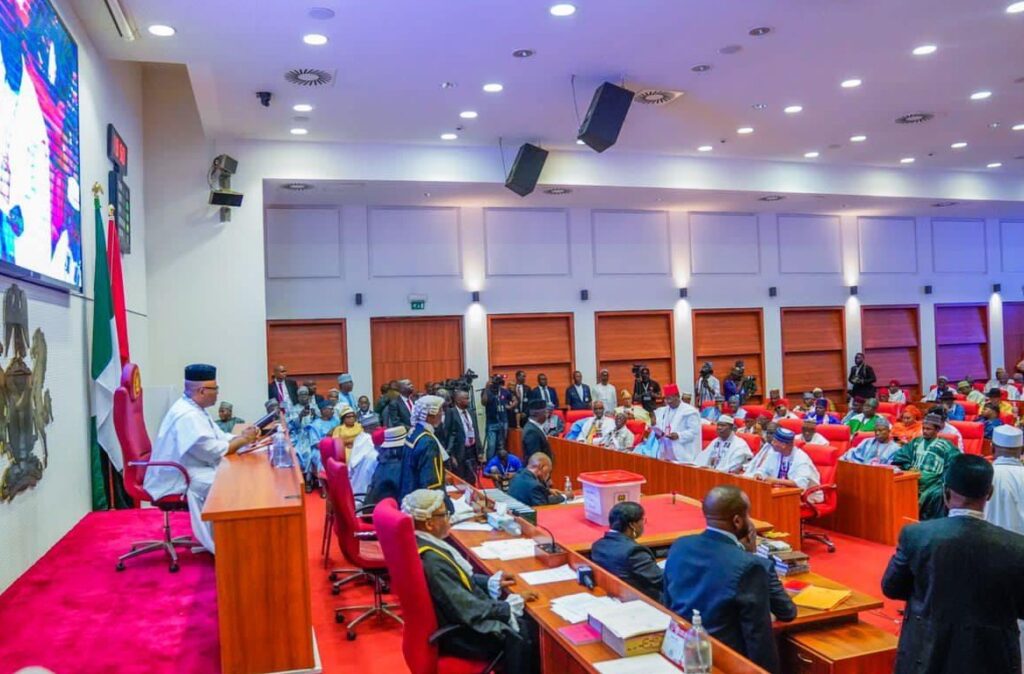
As some lawmakers continued to insist that security agencies know the whereabouts and intentions of bandits, Akpabio rebuked attempts to frame the crisis using religious or sectional narratives. He maintained that such framing is “orchestrated to damage the image of democracy,” stressing that attacks in Nigeria target all citizens regardless of faith or ethnicity. “This country is under attack,” he warned.
Senator Adams Oshiomhole came to President Bola Tinubu’s defense, asserting that the president is doing everything possible under extremely challenging conditions. He called for a full investigation into the troop withdrawal that took place before the Kebbi school attack. “Who ordered the military to withdraw? That person should be tried for terrorism.” His request was adopted as part of the Senate’s formal resolutions.
Oshiomhole also criticized inconsistencies in the justice system, noting that a convicted terrorist named Hassan received a 20-year sentence, while individuals who acted in self-defense against a bandit were sentenced to death. Meanwhile, some senators are now advocating for the death penalty to be introduced specifically for kidnapping offenses, arguing that kidnappers should face the most severe punishment.
What You Should Know
Nigeria’s Senate is grappling with the nation’s escalating security breakdown, highlighted by recent attacks and the abduction of schoolchildren in Kebbi.
Lawmakers are divided, with some calling for international support, institutional reforms, and accountability over alleged military withdrawals. Senate leaders insist that both the government and the legislature must overhaul their security structures, while opposition voices emphasize that current failures must be owned by the sitting administration.
Concerns about internal sabotage, inconsistent justice outcomes, and political posturing dominated the session. The debate underscores Nigeria’s urgent need for coordinated, transparent, and decisive security reforms to restore public confidence.