The Senate has granted approval for President Bola Tinubu’s request to deploy Nigerian military personnel to the Republic of Benin as part of urgent regional efforts to stabilise the country after last weekend’s failed coup attempt.
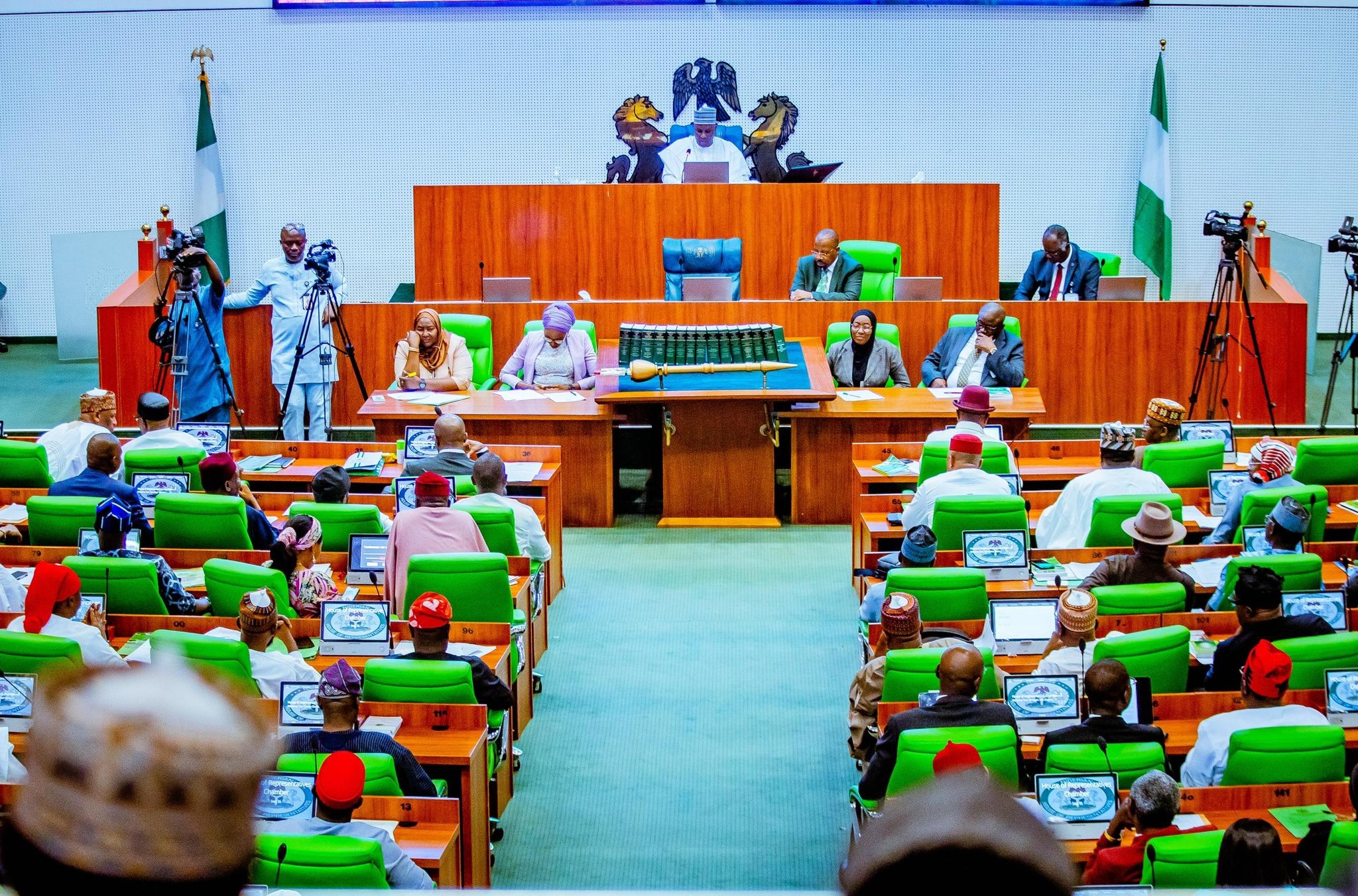
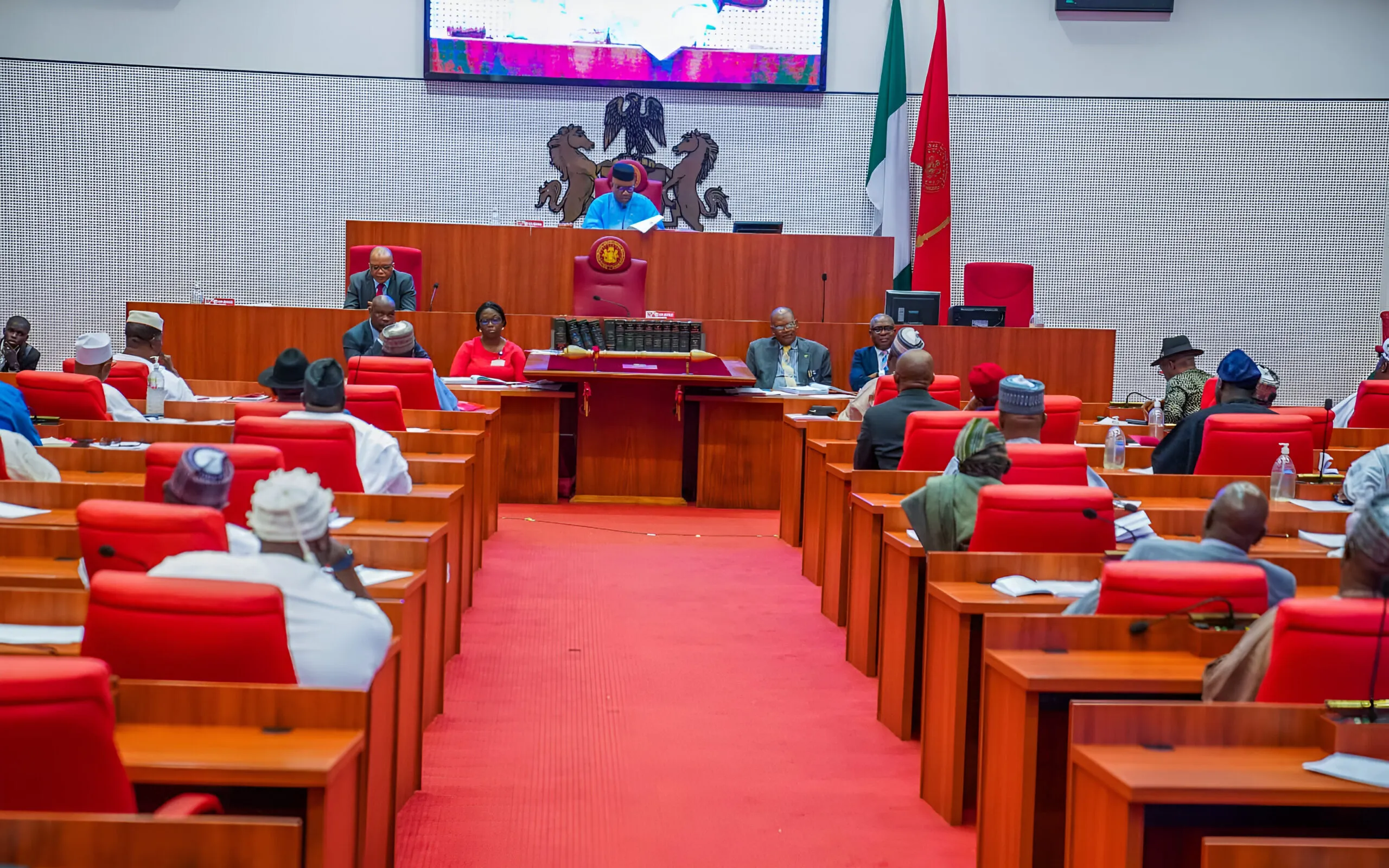
The endorsement was formally announced on Tuesday during plenary, with Senate President Godswill Akpabio confirming that lawmakers had reviewed the request in the Committee of the Whole in accordance with Section 5, Part II of the 1999 Constitution. After deliberation, senators unanimously backed the deployment, giving full legislative support to the regional security mission.
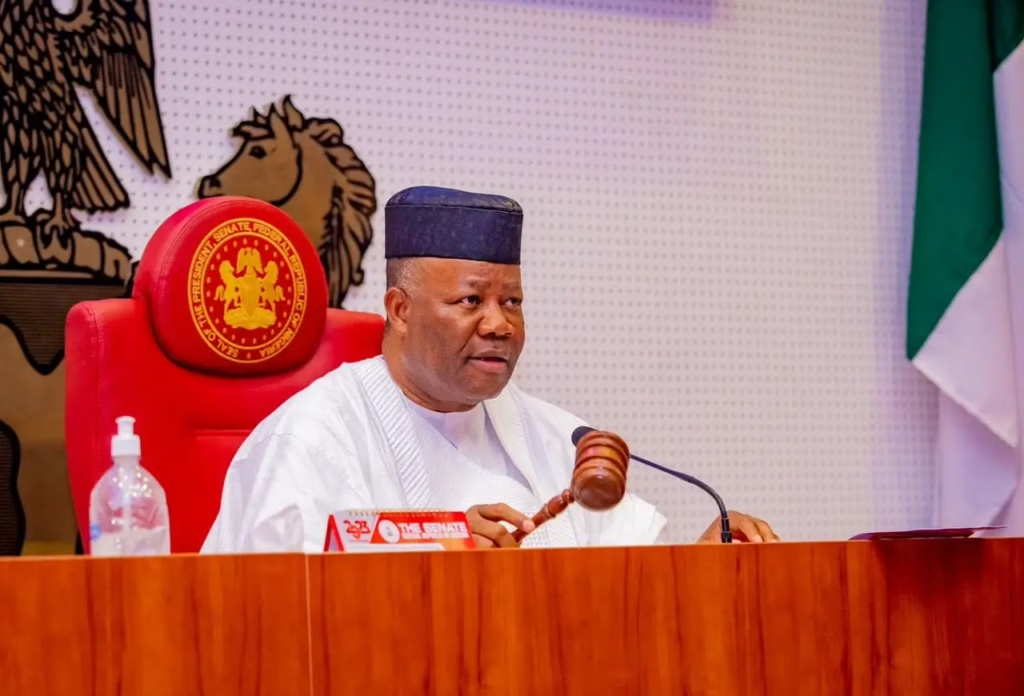
Speaking after the decision, Akpabio described the approval as both timely and necessary, stressing that unrest in any neighbouring nation poses broad implications for regional security. He added that “an injury to one is an injury to all”, underscoring Nigeria’s obligation to assist its partners within the Economic Community of West African States. He affirmed that the Senate’s resolution would be transmitted to the President without delay.
President Tinubu had earlier written to the Senate seeking legislative consent for troop deployment, citing Nigeria’s longstanding responsibility under existing ECOWAS security arrangements. He warned that Benin was facing “an attempted unconstitutional seizure of power and the destruction and destabilization of democratic institutions”, and that the circumstances required urgent international intervention to prevent further deterioration.
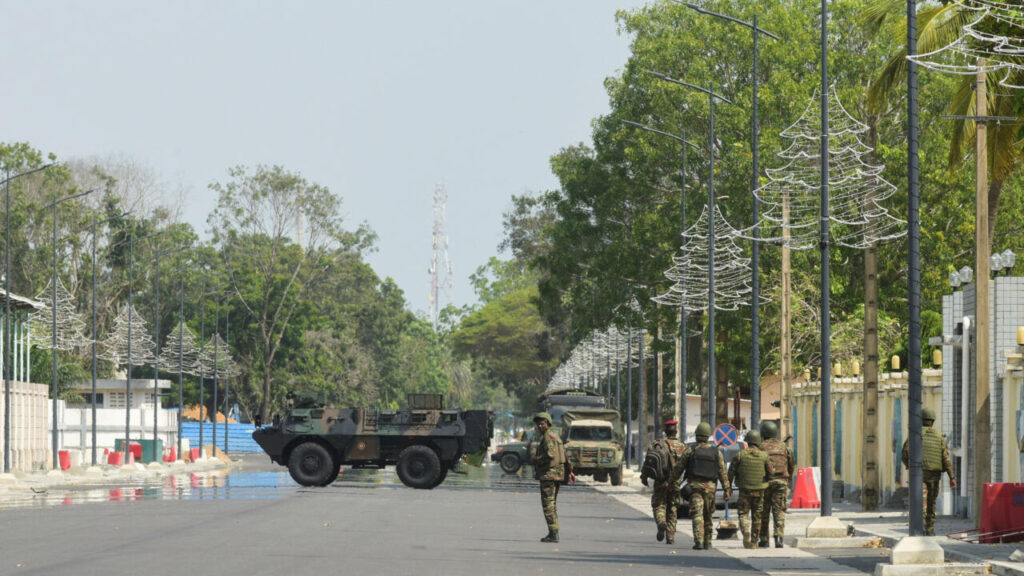
The attempted coup unfolded on Sunday when elements within the Beninese military took to national television, identifying themselves as the “Military Committee for Refoundation” (CMR). They announced that they had resolved that “Mr Patrice Talon is removed from office as president of the republic”. However, loyalist forces quickly countered the takeover attempt, regaining operational control and reasserting order.
Sources close to President Talon said, “The regular army is regaining control. The city (Cotonou) and the country are completely secure”, adding that efforts to stabilise the environment were advancing and that “the clean-up is progressing well”.
In reaction to the attempted coup, ECOWAS disclosed that it had initiated the deployment of a standby force to Benin. The regional bloc announced that “after consultation among members of the Mediation and Security Council at the level of Heads of State and Government, the Chair of ECOWAS Authority of Heads of State and Government has ordered the deployment of elements of the ECOWAS Standby Force to the Republic of Benin with immediate effect”. According to the statement, troops will come from Nigeria, Sierra Leone, Côte d’Ivoire, and Ghana, with the mandate to support Benin’s government and armed forces in safeguarding constitutional order and territorial integrity.
The developments come amid a broader wave of political instability across parts of West Africa, raising renewed concerns about democratic resilience in the region. With Nigeria now set to participate actively in the ECOWAS mission, attention is expected to shift toward how swiftly normalcy can be restored in Benin and how regional partners will sustain coordinated action to deter further unrest.
What You Should Know
The Senate’s approval marks Nigeria’s official entry into a regional intervention led by ECOWAS to stabilise Benin after a failed attempt to remove President Patrice Talon from office.
President Tinubu sought the authorisation as part of Nigeria’s obligations under ECOWAS security arrangements, stressing the urgency of preventing further instability. Benin’s military quickly subdued the coup attempt, but ECOWAS has ordered an immediate deployment of a multinational standby force to reinforce constitutional governance.
Nigeria, alongside Sierra Leone, Côte d’Ivoire, and Ghana, will contribute troops to support Benin’s government and military as they work to maintain order and protect national institutions.