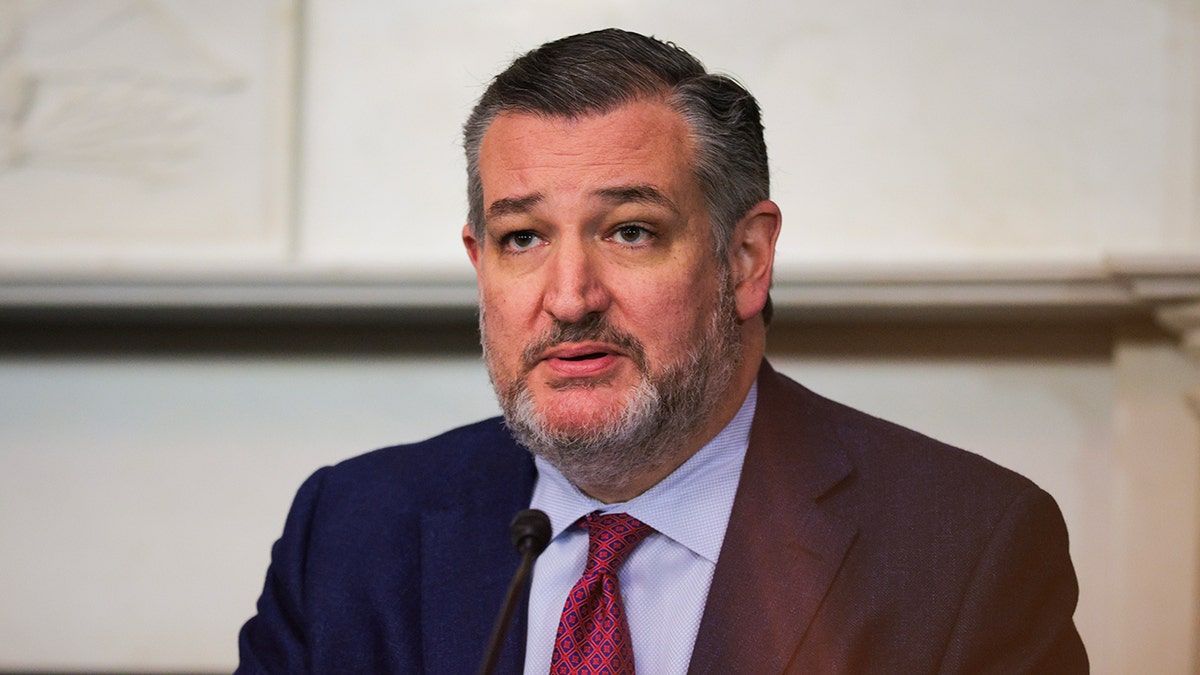
Following US President Donald Trump’s decision to designate Nigeria as a Country of Particular Concern (CPC), US Senator Ted Cruz has called for stronger measures to hold Nigerian officials accountable for alleged violations of religious freedom.
Cruz, who is spearheading the Nigeria Religious Freedom Accountability Act of 2025, said the bill aims to protect Christians and other religious minorities facing persecution in Nigeria. His comments came after Trump’s warning of possible US military intervention if Nigerian leaders fail to protect Christians in the country.
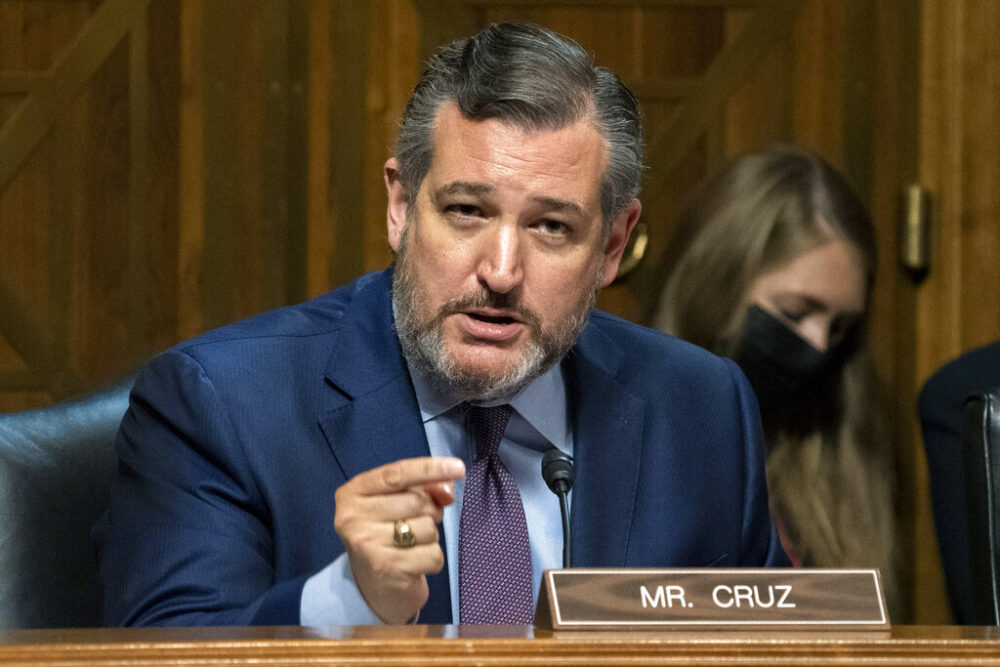
In a post shared on his official X handle on Tuesday, Senator Cruz expressed appreciation to President Trump for what he described as decisive action. He noted that he has long advocated for Nigeria’s CPC designation and will now push for targeted sanctions against government officials accused of complicity in religious persecution.
“I’ve been pushing legislation to designate Nigeria a CPC and to impose sanctions on the Nigerian officials responsible. Thank you to President Trump for his leadership in imposing the designation, and more broadly, for fighting to stop the murder of Christians in Nigeria,” Cruz stated.
“Now we should take the next step and hold Nigerian officials accountable. I intend to be very explicit about who they are in the coming days and weeks,” he added.

Trump’s declaration
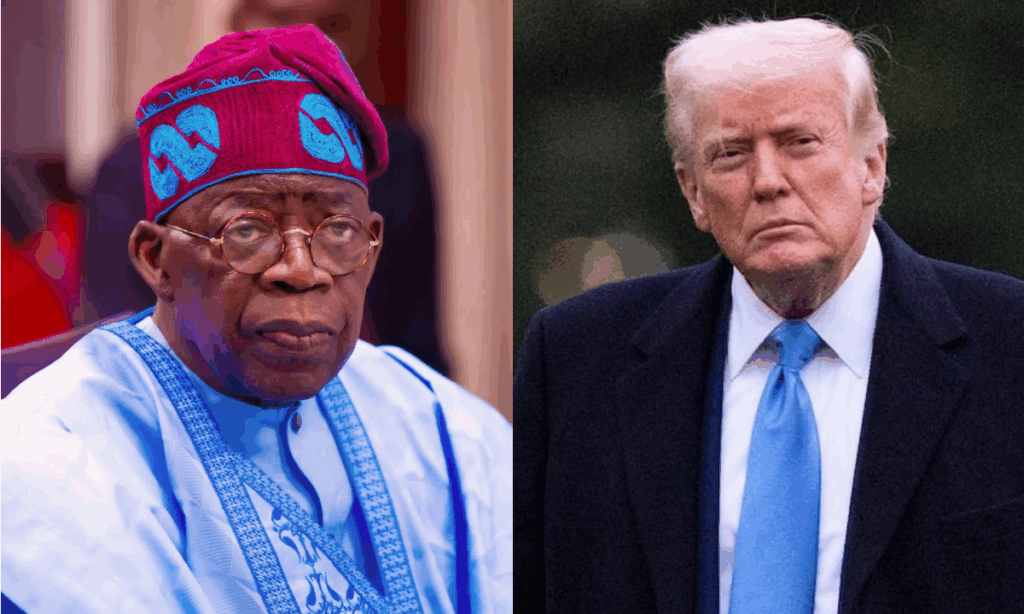
Over the weekend, President Trump declared Nigeria a “Country of Particular Concern” due to what he described as the systematic killing of Christians. In a post on his Truth Social platform, Trump claimed that Christianity was “facing an existential threat” in Nigeria and alleged that “radical Islamists” were responsible for what he termed a “mass slaughter.”
“Christianity is facing an existential threat in Nigeria. Thousands of Christians are being killed. Radical Islamists are responsible for this mass slaughter,” Trump wrote.
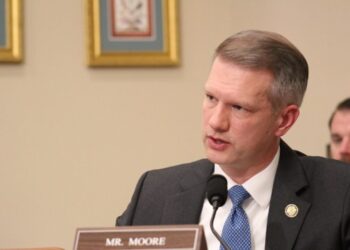
He further said that the United States “cannot stand by while such atrocities are happening” and directed Congressman Riley Moore and House Appropriations Chairman Tom Cole to investigate the situation.
Trump’s remarks have sparked a diplomatic storm, drawing reactions from international observers and Nigerian officials who insist that the claims are exaggerated and misleading.
Nigeria rejects claims
The Nigerian government has repeatedly dismissed accusations of religious genocide, describing them as unfounded and dangerous. In a statement issued in September, the Minister of Information and National Orientation, Mohammed Idris, labelled the allegations “false, baseless, despicable, and divisive.”
Idris stressed that Nigeria’s security challenges should not be misrepresented as a religious war, emphasizing that both Christians and Muslims have suffered from terrorist attacks.
“Portraying Nigeria’s security challenges as a targeted campaign against a single religious group is inaccurate and harmful. The federal government strongly condemns and categorically refutes recent allegations by certain international platforms and online influencers suggesting that terrorists operating in Nigeria are engaged in a systematic genocide against Christians,” he said.
The minister added that extremist groups indiscriminately target citizens who reject their ideology, regardless of their faith. He also highlighted ongoing counterterrorism successes, noting that between May 2023 and February 2025, Nigerian forces neutralized over 13,500 terrorists and rescued nearly 10,000 hostages.
Idris further pointed to the capture of key Ansaru leaders and over 700 convictions of Boko Harammembers as proof of the government’s commitment to ending terrorism in all its forms. “These criminals target all who reject their murderous ideology, regardless of faith,” he emphasized.
The growing diplomatic tension between Washington and Abuja over religious freedom underscores the delicate balance between human rights advocacy and state sovereignty. While the United States insists on accountability, Nigeria maintains that its counterterrorism strategy protects citizens of all faiths equally.
What You Should Know
Senator Ted Cruz’s Nigeria Religious Freedom Accountability Act of 2025 seeks to impose sanctions on Nigerian officials accused of enabling or ignoring religious persecution.
His call for accountability follows President Donald Trump’s controversial decision to label Nigeria a Country of Particular Concern (CPC)—a designation typically reserved for nations accused of severe religious rights violations.
However, Nigeria’s government has strongly refuted the claims, asserting that terrorism in the country targets citizens indiscriminately. The dispute highlights increasing diplomatic friction between the US and Nigeria amid global debates over religious freedom, sovereignty, and counterterrorism.