Summary
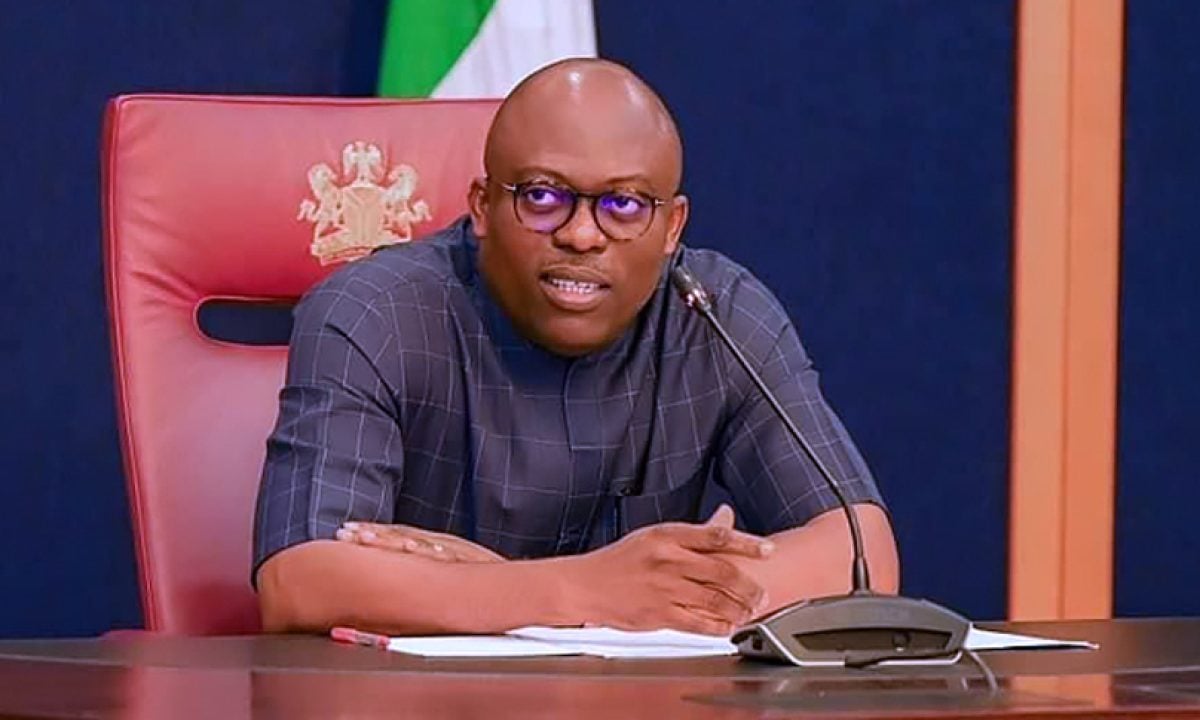
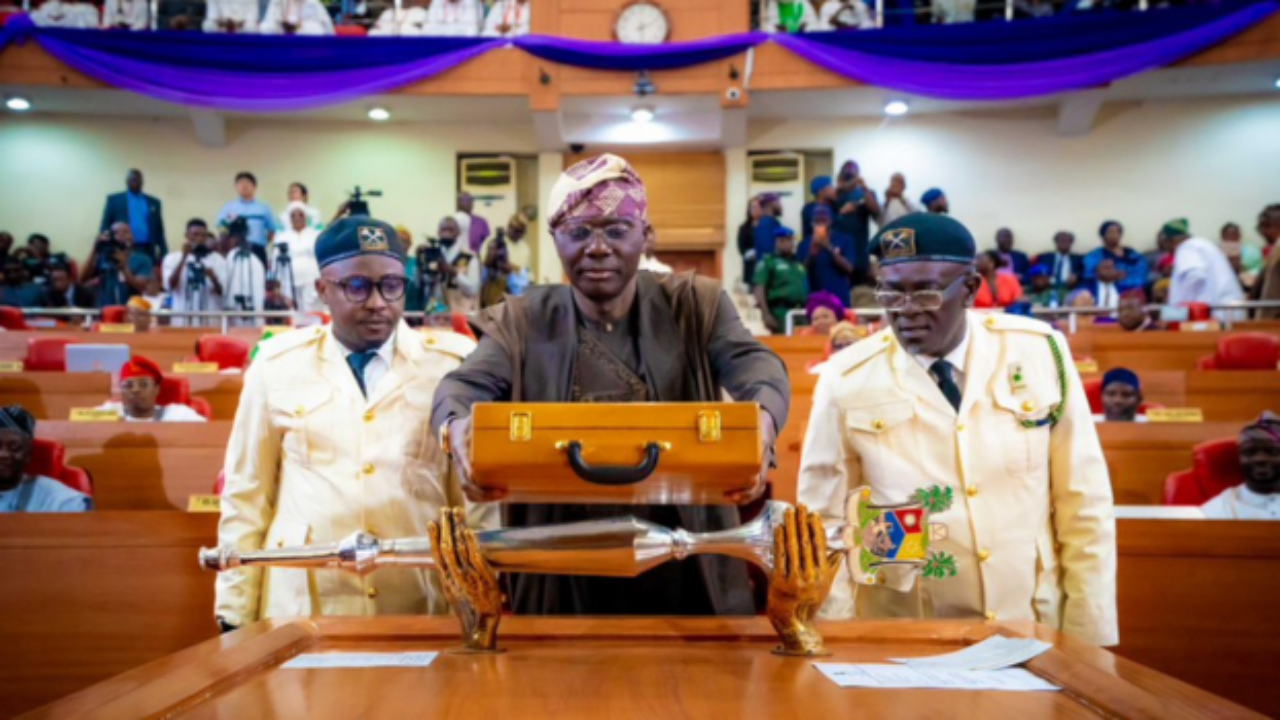
Lagos State Governor, Babajide Sanwo-Olu, on Tuesday presented an ambitious ₦4.237 trillion spending plan for the 2026 fiscal year, describing the proposal as a strategic blueprint designed to secure the administration’s long-term achievements and drive inclusive development across the state.
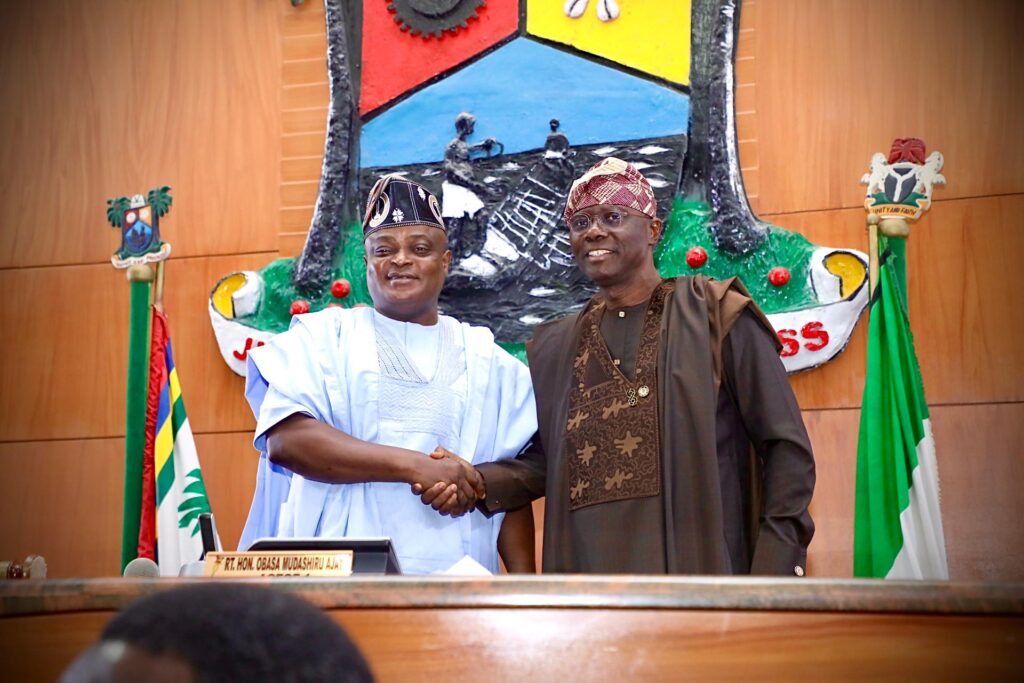
Speaking at the Lagos State House of Assembly, where he formally submitted the Appropriation Bill, the governor referred to the new budget—named “Budget of Shared Prosperity”—as a detailed, forward-looking document intended to reinforce Lagos’ role as a leading African megacity. He explained that the proposal mirrors his administration’s confidence in the state’s continued capacity to innovate, grow, and create opportunities for its expanding population.
Sanwo-Olu announced that the government expects a total revenue of ₦ 3,993,774,552,141 for the year 2026. This includes ₦3,119,774,552,141 expected from Internally Generated Revenue (IGR) and an additional ₦874 billion coming from Federal Transfers. Based on these projections, the state anticipates a financing gap of ₦243,332,457,167, which the government must cover through responsible deficit management.
During his presentation, the governor outlined how spending will be distributed, revealing that capital expenditure is planned at ₦2,185,085,419,495, while recurrent expenditure is projected at ₦2,052,021,589,812. According to him, recurrent spending accounts for personnel-related expenses, operational overheads, and the state’s debt obligations.
He noted that the overall overhead expenditure amounts to ₦1,084,245,843,091, which includes general overheads, various subventions, and other mandatory costs. Personnel expenses are projected at ₦440,494,339,384, while recurrent debt charges stand at ₦143,876,701,943. Debt repayment obligations for the fiscal year are expected to total ₦383,404,705,394.
Providing a breakdown of the sectoral allocations for 2026, Sanwo-Olu stated that General Public Services will receive ₦847,472,071,966, while Public Order and Safety has been allocated ₦147,040,088,897. The governor highlighted that Economic Affairs, which covers infrastructure, transportation, commerce, and related areas, will take the largest share of the budget with ₦1,372,307,808,626 assigned to the sector.
Other allocations include ₦235,957,235,138 for the Environment, ₦123,760,310,429 for Housing, ₦338,449,258,945 for Health, and ₦54,682,339,586 for Recreation and Culture. Education is set to receive ₦249,132,921,287, while Social Protection will be funded with ₦70,024,171,038 to support vulnerable households and social welfare initiatives.
The governor emphasized that the year 2026 is particularly crucial as it represents the final full year of his administration. According to him, the period will be dedicated to cementing the government’s developmental legacy and ensuring that ongoing and new projects are pushed to completion. Sanwo-Olu reiterated his administration’s commitment to engaging residents and incorporating public feedback to guarantee that government decisions continue to align with the needs and aspirations of Lagosians.
What You Should Know
The 2026 Lagos budget marks a major financial commitment by the Sanwo-Olu administration as it approaches the final phase of its tenure.
With the state targeting over ₦3.9 trillion in revenue and directing its highest allocation to economic development, the proposal is structured to accelerate infrastructure delivery, expand government services, and reinforce Lagos’ status as a leading economic hub.
The “Budget of Shared Prosperity” underscores the administration’s intention to complete critical projects and maintain a strong development trajectory.